5 Essential Locksmith Services for Small Business Owners

August 14, 2025

Running a small business means wearing many hats—manager, marketer, problem solver, and sometimes even your own security guard. While you’re busy growing your brand and serving customers, it’s easy to overlook one critical aspect of your business: security.

Locksmith services aren’t just for emergencies or lockouts—they’re essential for keeping your property, employees, and assets safe. Whether you operate a retail shop, office, or warehouse, having a trusted locksmith on your side can save you time, money, and stress in the long run.

In this guide, we’ll explore the five 

Every small business owner should consider—and why they’re crucial for your peace of mind.


Why Commercial Panic Bars Are Required by Code


1. Commercial Lock Installation and Upgrades

Your business doors are the first line of defense against theft, vandalism, and unauthorized access. Unfortunately, many small business owners rely on outdated locks that can be easily picked or bypassed.

A professional locksmith can:

  • Install high-security locks that are resistant to picking, drilling, and bumping.
  • Upgrade your existing locks to smart locks or keyless entry systems for better control.
  • Ensure your locks meet insurance requirements and building codes.

Pro tip: If your business is still using the locks that came with the building, it’s time for an upgrade. Technology evolves, and so do the tools criminals use.


2. Rekeying Services

When employees leave, keys get lost, or you’ve experienced a security scare, rekeying is a quick and affordable way to restore control over who has access to your property.

Instead of replacing the entire lock, a locksmith will change the lock’s internal pins so that old keys no longer work—and provide you with a brand-new set.

When to consider rekeying:

  • After employee turnover or termination.
  • Following a break-in or attempted break-in.
  • If keys have been lost or stolen.

This simple service helps you protect your business without breaking the bank.


3. Access Control Systems

If you want to go beyond traditional locks and keys, an access control system can give you precise control over who enters your business and when.

Professional locksmiths can install systems that:

  • Use key cards, fobs, or mobile apps for entry.
  • Track and log employee access times.
  • Restrict certain areas to specific staff members.

Access control systems are especially useful for businesses that handle sensitive data, valuable inventory, or cash transactions. They also make it easy to revoke access without collecting physical keys.


4. Emergency Lockout Assistance

Even the most organized business owners face the occasional lockout—whether it’s locking yourself out of your office or losing the keys to your storage room.

A commercial locksmith can provide:

  • Fast, non-destructive entry to minimize downtime.
  • Service at any hour if you work late or have 24/7 operations.
  • Immediate lock repairs or replacements if needed.

Having a locksmith on speed dial can save you from lost business hours and frustrated customers.


5. Security System Consultation and Integration

Many locksmiths offer more than just locks—they can also help design and integrate comprehensive security solutions for your business.

This may include:

  • Installing CCTV cameras and alarms.
  • Reinforcing doors, windows, and entry points.
  • Advising on best practices for employee key management.

A locksmith who understands your business layout can recommend layered security measures that work together for maximum protection.


Final Thoughts

For small business owners, security isn’t a luxury—it’s a necessity. The right locksmith services can protect your property, give you peace of mind, and even help you meet legal and insurance requirements.

By investing in commercial lock installation, rekeying, access control, emergency lockout assistance, and security consultations, you’ll create a safer environment for your employees and customers while protecting your bottom line.

If you’re a small business owner looking to safeguard your property, partner with a reputable locksmith before a security problem arises. Prevention is always cheaper than damage control.

Call Us Any Time!
Call Now
By Ghulam Mustafa April 6, 2026
Smart locks promise convenience. Keyless entry. Remote access. Control from your phone. But when it comes to security, one question still confuses many homeowners: Can you rekey a smart lock the same way you would a traditional one? Or are you stuck replacing the entire system? The answer isn’t as simple as yes or no. Because not all locks—smart or traditional—work the same way. And understanding that difference can save you time, money, and unnecessary upgrades. Start With What Rekeying Actually Means Rekeying isn’t about changing the outside of a lock. It’s about altering what happens inside. In a traditional lock, rekeying changes the internal pins so old keys no longer work. The hardware stays the same, but access is completely reset. It’s one of the most efficient ways to regain control—especially after moving into a new home or losing a key. But this process depends on one thing: A physical key mechanism. And that’s where smart locks start to differ. Why Traditional Locks Are Easy to Rekey Standard deadbolts and cylinder locks are built for it. Their internal pin systems are designed to be adjusted, reconfigured, and reset without replacing the entire lock. A locksmith can quickly change the key combination while keeping the same exterior hardware intact. This is why rekeying has always been the go-to solution for restoring security without overspending. It’s simple. Direct. Reliable. And in most cases, it’s all you need. What Makes Smart Locks Different Smart locks aren’t just locks. They’re systems. Some rely entirely on digital access—keypads, apps, or biometrics. Others combine smart features with a traditional key cylinder. That distinction matters. Because you can’t “rekey” something that doesn’t use a physical key in the first place. Instead of pins and tumblers, fully digital locks rely on codes, permissions, and software-based control. So the way you reset access changes completely. Can Smart Locks Be Rekeyed? It Depends on the Type If your smart lock includes a physical key override, then yes—part of it can be rekeyed. The mechanical cylinder inside can be adjusted just like a traditional lock. A locksmith can change the key access without affecting the smart features. But if your smart lock is fully keyless, there’s nothing to rekey. In those cases, security is managed digitally. You simply delete old codes, reset access permissions, or perform a factory reset. No hardware changes required. Just a different kind of control. Why Digital Resetting Replaces Rekeying in Smart Systems With traditional locks, control comes from keys. With smart locks, control comes from access management. Instead of worrying about who has a physical copy, you manage: Who has a code When they can enter How long their access lasts If someone no longer needs entry, you don’t rekey. You remove them. That shift is what makes smart locks powerful—but also why people misunderstand how to secure them properly. When Rekeying Still Matters in a Smart Lock Setup Even if you use a smart lock, the physical key backup shouldn’t be ignored. That override exists for a reason. Power failures. Technical glitches. Dead batteries. In those moments, the mechanical key becomes your fallback. If that key has been copied, lost, or shared in the past, rekeying the cylinder is still essential. Because digital security means nothing if the physical backup is compromised. Should You Rekey or Replace a Smart Lock? Not every situation requires a full replacement. If your concern is access control, resetting codes or permissions is usually enough. If your concern is physical key security, rekeying the cylinder solves the problem. Replacement only becomes necessary when the lock is damaged, outdated, or no longer reliable. The mistake most people make is jumping straight to replacement—when a simple reset or rekey would have done the job. The Hidden Risk: Forgetting Old Access Points Whether it’s a traditional lock or a smart one, the real issue is often the same: Too many people have access. Old tenants. Previous owners. Contractors. Guests. With traditional locks, that risk lives in duplicated keys. With smart locks, it lives in forgotten codes and active permissions. If you don’t actively reset and review access, your lock—no matter how advanced—stops being secure. When to Call a Professional If you’re unsure whether your smart lock includes a rekeyable cylinder, or if it’s not functioning properly, it’s worth getting expert input. A locksmith can assess your setup, identify whether rekeying is possible, and ensure both your digital and physical security layers are aligned. Professionals like Brothers Locksmith often handle hybrid systems, where both smart features and traditional mechanisms need to work together seamlessly. Because real security isn’t about choosing one or the other. It’s about making sure every layer does its job. Final Thoughts Rekeying isn’t outdated. It’s just evolving. Traditional locks rely on it. Smart locks replace it with digital control. And hybrid systems use both. The key is understanding what kind of lock you actually have—and how it manages access. Because security isn’t about the label on your lock. It’s about who can still get in. And whether you’ve taken the time to change that.
Why Some Keys Work Better When Inserted Upside Down
By Ghulam Mustafa April 5, 2026
Discover why keys sometimes work better upside down, what it reveals about lock wear or misalignment, and how to fix the issue before it leads to lock failure.
Can You Rekey Smart Locks or Only Traditional Ones?
By Ghulam Mustafa April 3, 2026
Learn whether smart locks can be rekeyed or only traditional ones, and how to reset access, improve security, and avoid unnecessary lock replacement.
Why Your Door Lock Feels Loose After Door Repairs
By Ghulam Mustafa March 31, 2026
Why your door lock feels loose after repairs and how to fix it. Learn the real causes and smart ways to restore security without replacing the lock.
How to Secure Older Homes Without Replacing Every Lock
By Ghulam Mustafa March 30, 2026
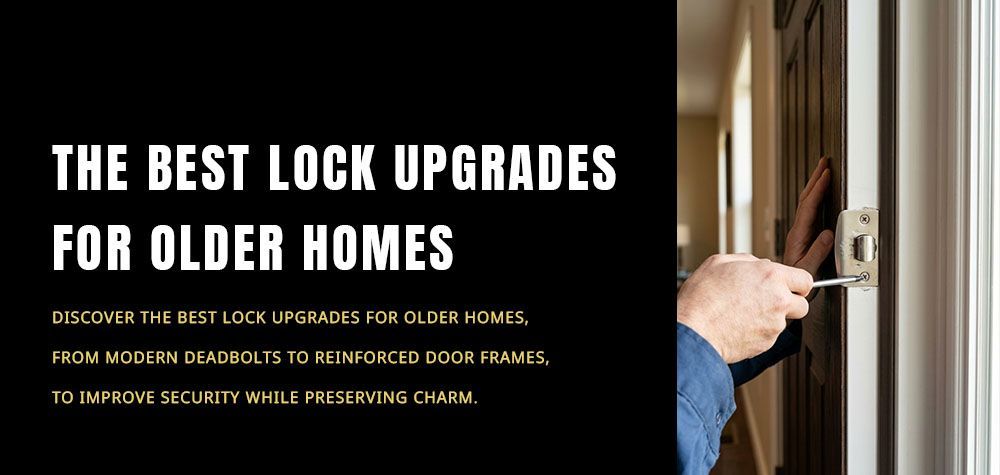
How to secure an older home without replacing every lock? Discover smart, cost-effective ways to upgrade home security while preserving existing hardware.
Why Keyless Entry Pads Stop Responding
By Ghulam Mustafa March 30, 2026
Why do keyless entry pads stop responding? Learn the common causes, quick fixes, and when to call a locksmith to restore your smart lock system.
What to Do If Your Lock Cylinder Spins Freely
By Ghulam Mustafa March 28, 2026
What does it mean if your lock cylinder spins freely? Learn the causes, quick fixes, and when to call a locksmith to restore your security fast.
By Ghulam Mustafa March 28, 2026
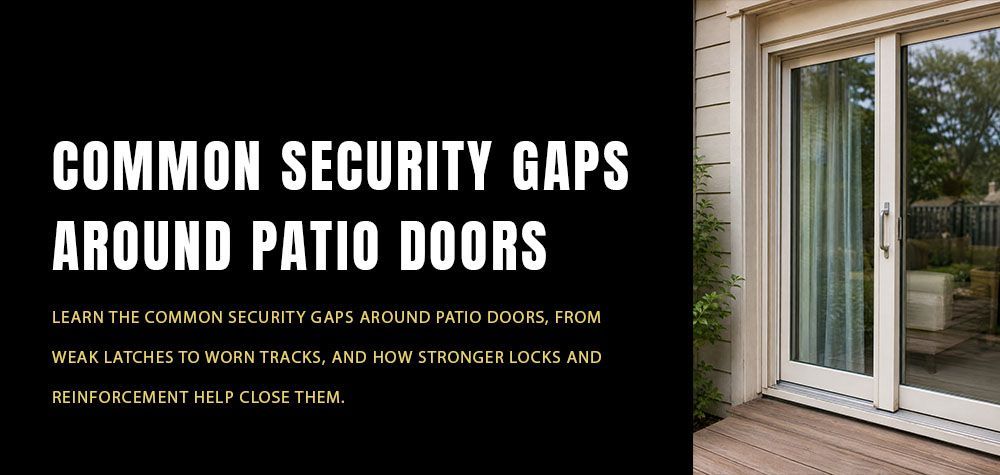
Most people invest in strong front door locks. Deadbolts. Reinforced frames. Maybe even smart locks. But then there’s the patio door. Quietly sitting at the back of the house, often overlooked, often under-protected—and for intruders, often the easiest way in. If you think your patio door is “good enough,” this article might change your mind. Because the reality is simple: patio door locks are one of the most common weak points in home security. Let’s break down why they’re such easy targets—and what you can do to fix it. How to Tell If Someone Tried to Pick Your Lock The Hidden Problem: Patio Doors Prioritize Convenience Over Security Patio doors are designed for ease, not defense. They’re meant to slide smoothly, open quickly, and connect indoor and outdoor spaces effortlessly. But that convenience comes at a cost. Unlike solid front doors, patio doors often rely on lightweight locking mechanisms that are not built to withstand force or manipulation. This creates an imbalance—easy for you to use, but also easy for someone else to exploit. Sliding Door Locks Are Structurally Weaker Most patio doors use simple latch-style locks rather than heavy-duty deadbolts. These latches are designed to hold the door closed, not to resist aggressive force. With enough pressure, they can bend, slip, or disengage. In some cases, intruders don’t even need to break the lock—they just force the door off alignment until it opens. Compared to standard door locks, these systems offer significantly less resistance. Doors Can Be Lifted Off Their Tracks This is one of the most overlooked vulnerabilities. Many sliding patio doors can be lifted upward within their frame. If there’s enough clearance, an intruder can raise the door and pull it out of the track entirely. No lock picking. No noise. No visible damage. Just a quiet removal of the door itself. Older or poorly installed patio doors are especially vulnerable to this method. Weak Materials Make Forced Entry Easier Patio doors are often made with large glass panels and lightweight frames. While modern designs may include tempered glass, the overall structure is still weaker than a solid wooden or metal door. This makes it easier to apply pressure, create gaps, or exploit flex points in the frame. Even if the glass isn’t broken, the frame itself can become the entry point. Poor Installation or Wear Over Time Even a decent patio lock can become a security risk if it’s not properly installed. Misalignment between the door and the locking mechanism can reduce how securely the latch engages. Over time, wear and tear can loosen components, making the lock easier to bypass. A door that doesn’t close tightly is not just an inconvenience—it’s an invitation. Easy Access Points at the Back of the Property Front doors are visible. Patio doors are usually not. They are often located at the back or side of the house, hidden from street view and neighbors. This gives intruders more time and privacy to attempt entry. Even a weak lock becomes a bigger risk when it’s not being watched. Basic Locks Are Easier to Manipulate Standard patio locks are not designed with advanced security features. Many lack anti-pick, anti-bump, or reinforced internal mechanisms. This makes them easier to manipulate compared to high-quality front door locks. While not all intruders rely on picking, a simpler lock reduces the effort needed to gain entry. Why Door Locks Get Noisy Over Time Tracks Can Be Tampered With Sliding doors rely on tracks to function. But those same tracks can be used against you. Intruders can insert tools into the track to manipulate the door or interfere with how it sits in the frame. In some cases, they can even force the door open by exploiting weaknesses in the track system. This is a unique vulnerability that traditional doors do not have. Why This Matters More Than You Think A weak patio lock doesn’t just affect one entry point. It compromises your entire home. Intruders look for the easiest path, not the most obvious one. If your front door is secure but your patio door is not, they will go around. Security is only as strong as its weakest link. And in many homes, that weakest link is the patio door. How to Make Your Patio Door More Secure The good news is that this problem is fixable. You don’t need to replace your entire door to improve security. But you do need to take it seriously. Add a Secondary Lock or Security Bar A simple but effective solution is adding a secondary locking mechanism. Security bars or rods placed in the track prevent the door from sliding open, even if the main lock is compromised. This adds an extra layer of resistance that intruders cannot bypass easily. Install Anti-Lift Devices To prevent doors from being lifted off their tracks, anti-lift devices can be installed. These limit how far the door can be raised, making removal impossible without dismantling the frame. This directly addresses one of the biggest vulnerabilities of sliding doors. Upgrade to a High-Security Lock Replacing a basic latch with a stronger, more secure locking system can make a significant difference. Look for locks designed specifically for patio doors with reinforced components and improved resistance. A stronger lock increases the effort required for entry, which often discourages intruders altogether. Reinforce the Glass Security film or laminated glass can make it harder to break or penetrate the glass panel. Even if someone attempts to smash it, the material holds together, slowing down entry. This buys time and increases the chances of detection. Fix Alignment and Maintenance Issues If your door does not close properly or feels loose, address it immediately. Adjusting the alignment, tightening components, and maintaining the track ensures the lock functions as intended. A well-maintained door is much harder to exploit. Improve Visibility and Lighting Since patio doors are often hidden, improving visibility can act as a strong deterrent. Motion lights, cameras, or even simple outdoor lighting can make intruders think twice. Security is not just about strength—it’s also about reducing opportunity. When to Call a Professional Locksmith If you’re unsure about the condition of your patio door lock, it’s worth getting it inspected. A professional locksmith can identify hidden vulnerabilities, recommend upgrades, and install security solutions correctly. Experts at Brothers Locksmith often deal with patio door security issues and can help turn a weak entry point into a strong one. Final Thoughts Patio doors are not inherently unsafe. But they are often under-protected. Their design, placement, and common locking systems make them attractive targets for intruders. The key is awareness. Once you understand the risks, you can take simple, effective steps to strengthen your security. Because intruders don’t look for the hardest door. They look for the easiest one. And with the right upgrades, your patio door doesn’t have to be it.
More Posts