How to Install a Commercial Door Lock
Installing a commercial door lock may seem daunting, but with the right tools and guidance, it’s a task you can handle with confidence. Whether you’re upgrading security or replacing an old lock, this guide will walk you through the installation process.
Tools and Materials You'll Need:
- Commercial door lock kit
- Screwdriver (Phillips and flathead)
- Power drill with drill bits
- Chisel
- Measuring tape
- Pencil
- Level
- Safety goggles
Step 1: Choose the Right Lock
Before you begin, select a commercial door lock that suits your security needs. Commercial locks come in various types, including cylindrical locks, mortise locks, and keyless entry systems. Ensure the lock you choose is compatible with your door and meets the security requirements of your business.
Step 2: Prepare the Door
If you're replacing an existing lock, remove the old lockset by unscrewing it from the door. For new installations, mark the height at which you want to install the lock. The standard height is usually between 40 and 45 inches from the floor.
Use a template from the lock kit to mark the locations for the lockset, deadbolt, and any other components. Ensure the markings are level and correctly aligned with the doorframe.
Step 3: Drill Holes for the Lock
With your markings in place, use a power drill to create holes for the lockset. Start with the main hole for the lock cylinder, then drill a smaller hole on the edge of the door for the latch. If installing a deadbolt, you’ll need to drill additional holes above or below the lockset.
Be sure to drill carefully to avoid damaging the door. If the door is metal, you may need special drill bits.
Step 4: Chisel Out the Recess for the Latch Plate
Once the holes are drilled, use a chisel to create a recess for the latch plate on the edge of the door. The latch plate should sit flush with the door's surface to ensure proper operation. This step is crucial for a secure fit and smooth locking mechanism.
Step 5: Install the Lock Mechanism
Insert the lock cylinder into the main hole and secure it with screws. Ensure that the lockset is aligned with the latch and that the latch operates smoothly when the door is closed.
If your lock includes a deadbolt, install it in the same manner, ensuring that it lines up with the strike plate on the doorframe.
Step 6: Attach the Strike Plate
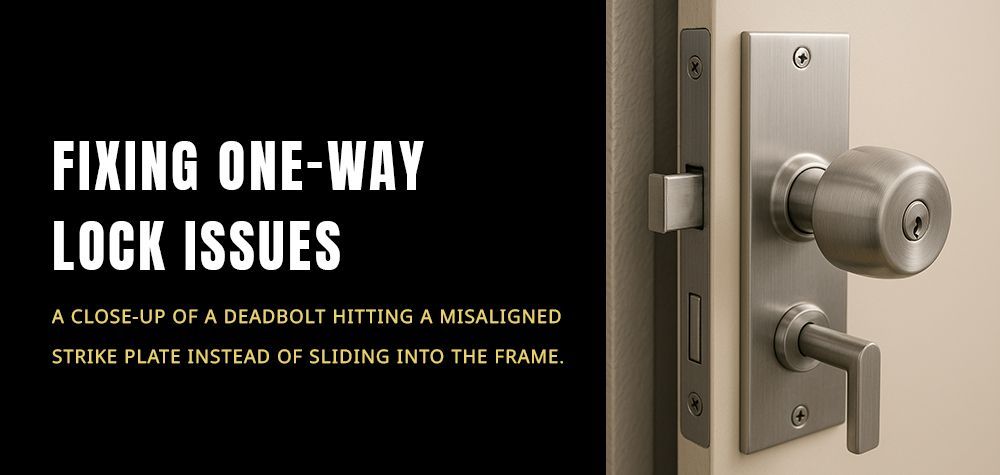
With the lock mechanism in place, move to the doorframe. Align the strike plate with the latch or deadbolt, then mark the area where it will be installed. Use a chisel to recess the strike plate into the frame, ensuring it sits flush. Secure the plate with screws, making sure it’s firmly attached.
Step 7: Test the Lock
After installation, test the lock several times to ensure it functions correctly. The door should close easily, and the lock should engage smoothly without any sticking or resistance. If necessary, make small adjustments to the lockset or strike plate for optimal performance.
Step 8: Final Adjustments and Security Check
Once everything is in place and functioning, tighten any loose screws and double-check all components. Ensure that the lock provides the security level required for your commercial space. If your lock system is keyless, test the electronic or keypad functions to verify proper operation.
FAQs
Q: How do I know if my door is compatible with a commercial lock?
A: Check the door's thickness and material, as most commercial locks are designed for specific door types. The lock's specifications will provide details on compatibility.
Q: Can I install a commercial lock on a glass door?
A: Yes, but you may need specialized locks designed for glass doors, often requiring professional installation.
Q: Is it better to hire a professional for installing a commercial lock?
A: While DIY installation is possible, a professional ensures proper fit and security, especially for more complex systems like mortise locks.
Conclusion
Installing a commercial door lock is a manageable task with the right preparation and tools. By following these steps, you can enhance your business’s security and ensure your lock operates smoothly for years to come. If you encounter any issues or need additional security features, consulting a professional locksmith is always a good idea.
How to drill out a commercial lock!
Reach out to us for professional Commercial Installation services!
Call Us Any Time!