“My Lock Spins But Doesn’t Open” — Causes & Solutions
It’s one of the most frustrating lock problems homeowners experience. You put the key in, turn it… and the key just keeps spinning. No click. No resistance. No door opening. At first, it feels like a minor annoyance. But in reality, a spinning lock is often a warning sign that something inside your door has already failed—or is about to.
At Brothers Locksmith, we see this issue daily, and the cause is rarely “just a bad key.” A spinning lock means that internal components are no longer functioning properly, and delaying the fix can turn a simple repair into a full lockout or door replacement.
Let’s break down why this happens, what it means for your security, and what actually fixes it.
Why Smart Locks Fail During Power Outages (and How to Prevent It)
What It Really Means When a Lock Spins Freely
A lock should offer resistance. That resistance indicates that the internal parts are aligning correctly and engaging the latch or deadbolt. When the key spins without opening the door, it means the connection between the turning motion and the locking mechanism has been interrupted.
In simple terms, your key is moving, but nothing inside the lock is responding anymore.
This isn’t cosmetic wear. It’s a mechanical failure.
The Most Common Reason: A Broken Tailpiece or Cam
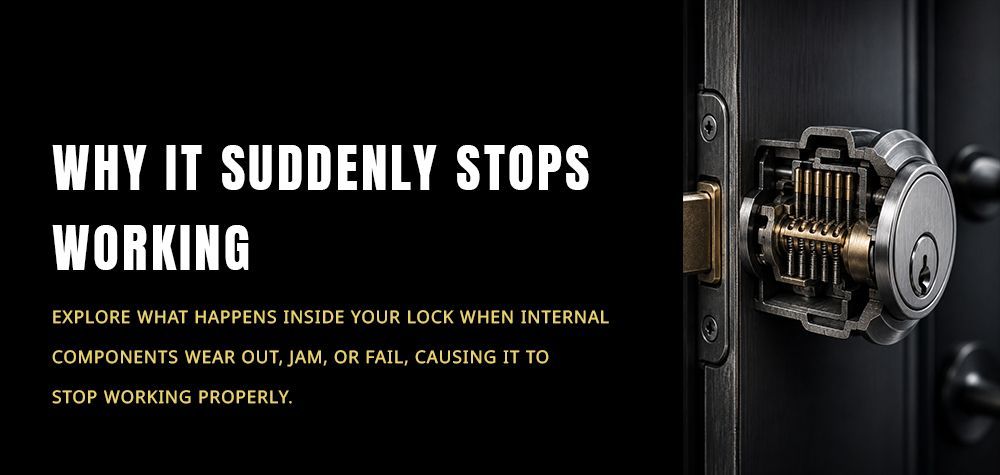
Inside most cylinder locks is a small metal connector called a tailpiece or cam. Its job is to transfer the turning motion of your key to the latch or bolt.
Over time, this part can:
• snap from metal fatigue
• loosen due to poor installation
• shear off during forced entry attempts
• bend from excessive torque
Once this piece breaks or disconnects, the key spins freely because there’s nothing left to grab onto.
This is especially common in older locks or budget hardware not designed for daily use.
Worn-Out Internal Lock Components (Quiet Damage You Can’t See)
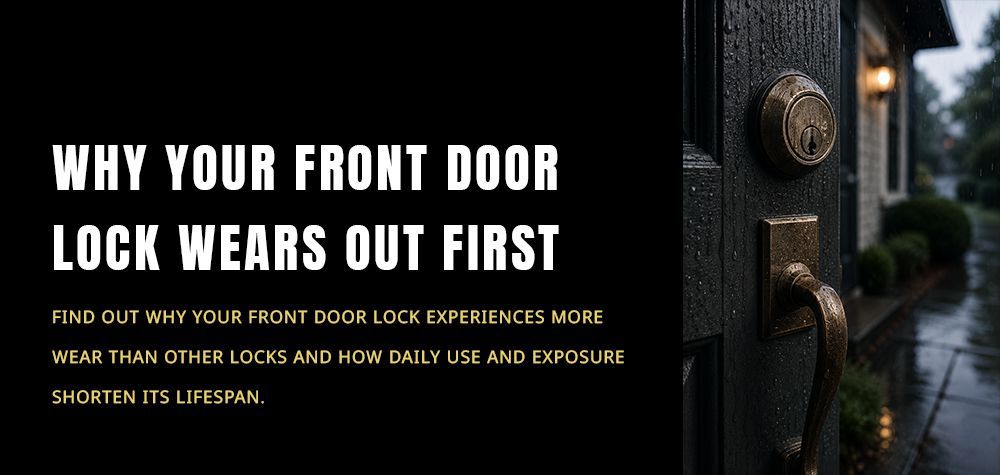
Locks don’t fail overnight. Long before a lock spins freely, internal pins, springs, and gears begin wearing down.
You may have noticed signs like:
• the key needing extra jiggling
• the lock feeling loose
• delayed response when turning
• inconsistent opening
These are early warnings. When ignored, the internal mechanism eventually reaches a point where it simply disengages completely.
At that stage, the lock is no longer repairable—it needs replacement.
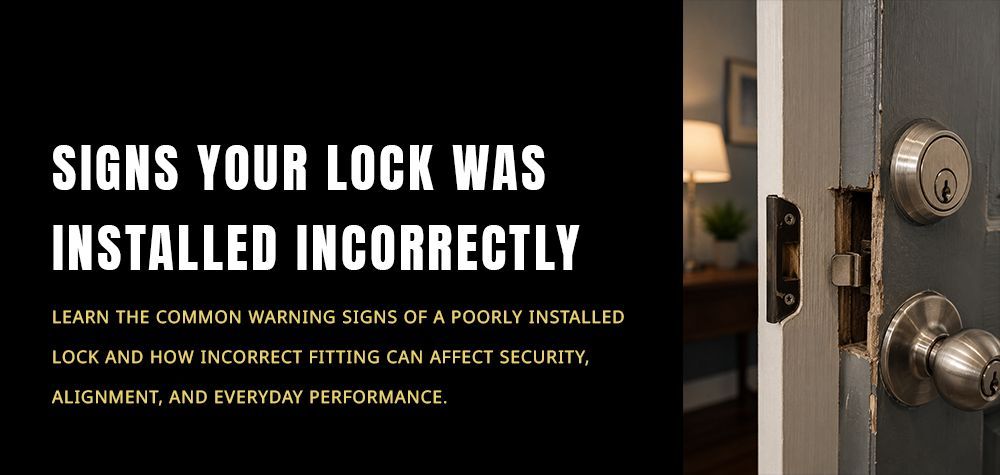
Improper Installation Can Cause Spinning Locks
This one surprises homeowners.
Even a brand-new lock can spin if it was installed incorrectly. Common installation mistakes include:
• misaligned cylinders
• over-tightened screws warping the lock body
• incorrect tailpiece length
• latch not lining up with the strike plate
DIY installs are especially prone to this. The lock may work “fine” for months, then suddenly fail because stress builds internally.
At Brothers Locksmith, we often fix spinning locks that were less than a year old—simply because they were never installed to manufacturer specifications.
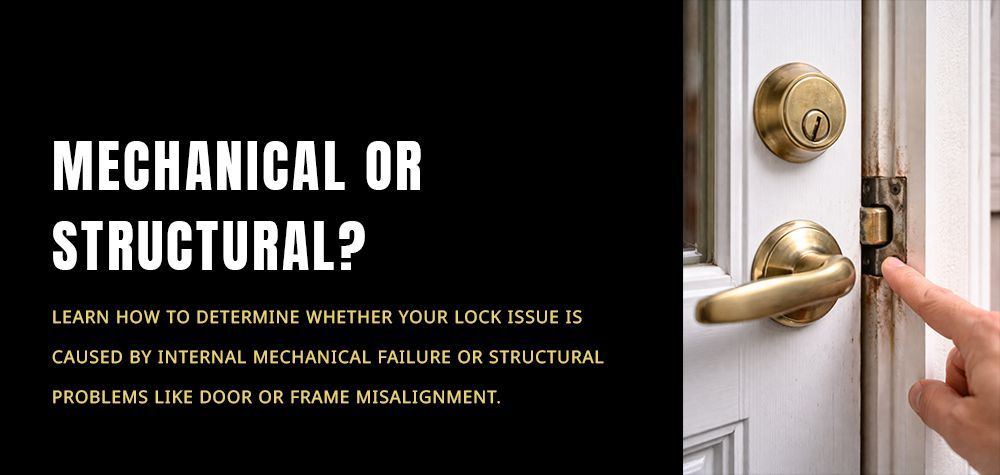
Door Alignment and Frame Issues Can Trigger Lock Failure
Your lock doesn’t operate in isolation. If your door or frame is slightly warped, swollen from humidity, or sagging on its hinges, the lock has to work harder every time you turn the key.
That extra resistance transfers strain to internal parts.
Over time, the weakest internal component fails—resulting in a spinning lock.
This is why we always inspect door alignment, hinges, and strike plates before recommending lock replacement.
The Real Cost of Delaying a Lock Repair
Forced Entry Attempts You Didn’t Notice
Not all break-in attempts leave obvious damage.
Burglars often test locks quietly by applying torque to see if components give way. Even if they fail to enter, internal lock parts may already be compromised.
A spinning lock days or weeks later can be the delayed result of tampering.
If your lock suddenly spins without warning, security inspection is critical.
Why You Shouldn’t Keep Turning a Spinning Lock
When a lock spins, many people instinctively keep turning harder.
That’s the worst thing you can do.
Continued force can:
• fully detach internal components
• cause the cylinder to fall inside the door
• jam the latch permanently
• turn a repair into a destructive entry
If your lock spins, stop immediately.
Temporary Steps You Can Take (If You’re Not Locked In or Out)
If the door is still open and the lock spins:
• Do not close the door until inspected
• Avoid forcing the key
• Secure the door from the inside if possible
• Call a locksmith before the mechanism fully fails
If the door is already closed and won’t open, professional tools are required. Drilling without experience often damages the door and frame unnecessarily.
How Professional Locksmiths Fix Spinning Locks
At Brothers Locksmith, the solution depends on the root cause—not guesswork.
We may:
• replace the cylinder only
• repair or replace internal components
• realign the door and latch
• upgrade the lock to a reinforced model
• address frame or strike plate stress
Our goal is to restore functionality and prevent the issue from happening again.
When a Spinning Lock Is a Security Emergency
You should treat this as urgent if:
• it’s your main entry door
• it’s a rental or vacation property
• children or elderly occupants are inside
• the lock protects valuables
• there are signs of tampering
A spinning lock means your door may not actually be locked—even if it appears to be.
How to Prevent This From Happening Again
Prevention isn’t about buying the most expensive lock. It’s about compatibility, installation, and maintenance.
Professional installation ensures:
• proper torque balance
• correct alignment
• durable internal components
• long-term reliability
Regular inspections catch wear early, before failure happens.
Why Do My Door Locks Suddenly Feel Hard to Turn?
Final Thoughts: A Spinning Lock Is a Warning, Not a Quirk
If your lock spins but doesn’t open, your door is already telling you something is wrong. Ignoring it won’t make it better—it only raises the risk of lockouts, security breaches, or costly door damage.
Whether it’s wear, installation issues, or hidden tampering, this is one problem best handled by professionals.
If your lock is spinning, unreliable, or feels “off,” it’s time to call Brothers Locksmith—before the door decides for you.
Call Us Any Time!