My Trunk Door Won't Open, What to Do

June 30, 2024

Discovering that your trunk door won't open can be a frustrating situation, especially when you need access to your vehicle's storage space. Whether you're dealing with a malfunctioning key fob, a stubborn trunk release mechanism, or potential electrical issues, understanding the root cause is crucial for resolving the issue efficiently. In this guide, we'll walk through common reasons why trunk doors fail to open and provide step-by-step solutions to help you regain access quickly and safely. Let's dive into troubleshooting your trunk door issue and getting you back on the road smoothly!


Reach out to us for Lockout Services!


Key Fob Battery

A key fob with a dead battery can often be the culprit when your trunk door refuses to open. The key fob sends a signal to the car's trunk release mechanism, allowing it to unlock and open the trunk electronically. When the battery is dead, this signal transmission fails, preventing the trunk from unlocking. Replacing the key fob battery is a straightforward fix that can restore normal trunk operation. Ensure you have the correct battery type for your key fob model and follow the manufacturer's instructions for replacement to regain convenient access to your trunk.


Trunk Release Mechanism

The trunk release mechanism includes various components designed to allow easy access to your vehicle's trunk. This typically includes a button inside the car's cabin, often located on the dashboard or near the driver's seat, and an exterior trunk release handle or lever on the trunk lid itself. If your trunk door won't open, check these mechanisms for any signs of damage or obstruction. Clear any debris or obstructions and ensure that these components operate smoothly. Proper maintenance and occasional lubrication can help prevent issues with the trunk release mechanism in the future, ensuring reliable access to your trunk whenever needed.
Trunk Lock Cylinder

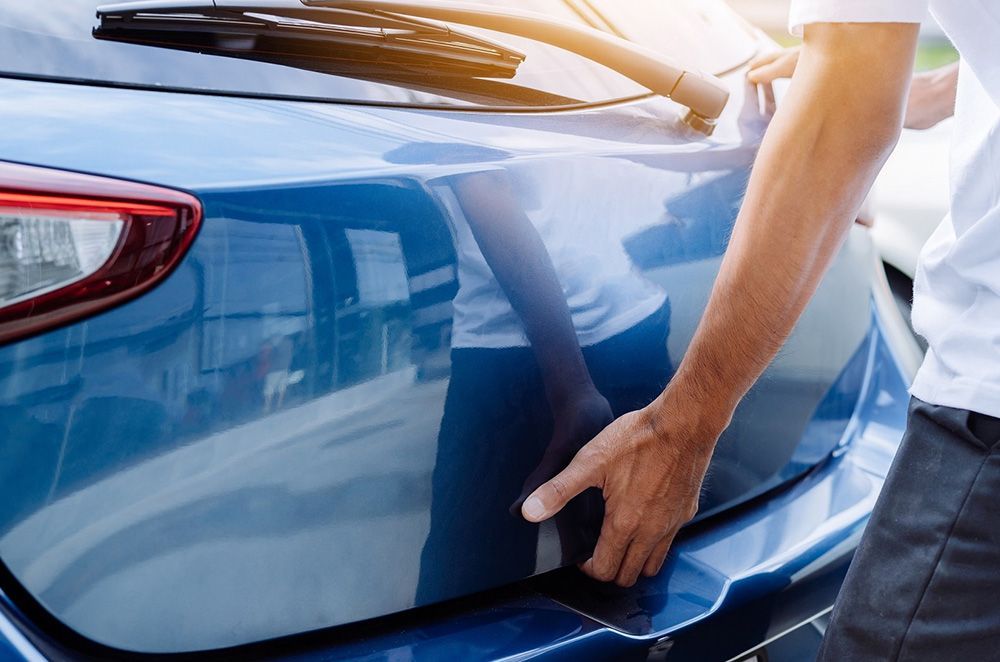
The trunk lock cylinder serves as a manual override for opening the trunk when electronic methods fail. It's typically located near the trunk keyhole and allows you to unlock the trunk using a physical key. If your trunk door won't open electronically, try using the trunk key to manually unlock it through the trunk lock cylinder. Ensure the key turns smoothly without resistance or jams. If there are any signs of damage or wear on the trunk lock cylinder, consider having it inspected or replaced by a professional locksmith or automotive technician to restore full functionality.


Interior Trunk Release

In many vehicles, there's an interior trunk release lever or button designed for emergency situations where occupants need to exit the trunk from inside the car. This safety feature is often mandated by regulations to prevent entrapment. If your trunk door won't open from the outside, check for the presence and functionality of the interior trunk release mechanism. Locate the lever or button typically located near the driver's seat or inside the trunk itself. Activate the interior trunk release to see if it allows the trunk to open. Ensure this mechanism operates smoothly and that there are no obstructions preventing its function.


Electrical Issues

Electrical issues can also prevent your trunk door from opening. Check the fuse box for any blown fuses related to the trunk release circuit. Blown fuses can disrupt power to the trunk release mechanism, causing it to malfunction. Replace any blown fuses with ones of the same rating and type. Inspect the wiring harnesses and connectors related to the trunk release for signs of damage, corrosion, or loose connections. Address any issues found with wiring to restore proper electrical function to your trunk door.


Mechanical Obstructions

Mechanical obstructions in or around the trunk area can prevent the trunk door from opening. Inspect the trunk seal and surrounding areas for any objects or debris that may be obstructing the trunk lid's movement. Clear away any debris and ensure the trunk lid can open and close freely without obstruction. Be cautious when removing obstructions to avoid damaging the trunk or surrounding components. Regularly clean the trunk area and keep it free from clutter to prevent future obstructions.


Conclusion

Dealing with a trunk door that won't open can be inconvenient, but understanding the potential causes and troubleshooting steps can help you resolve the issue effectively. Whether it's a simple fix like replacing a key fob battery or a more complex issue such as electrical problems or mechanical obstructions, taking prompt action is crucial to regain access to your vehicle's trunk. By following the troubleshooting steps outlined in this guide—checking the key fob battery, inspecting the trunk release mechanisms, using the trunk lock cylinder, addressing electrical issues, and clearing mechanical obstructions—you can often resolve the problem and restore functionality to your trunk door.


Tips for effective long-term car storage!

Call Us Any Time!

Call Now
How to Make Your Front Door More Resistant to Forced Entry
By Ghulam Mustafa August 8, 2026
Learn how to make your front door more resistant to forced entry with stronger locks, reinforced frames, secure hinges, and better door hardware.
Why Garage Entry Doors Need Better Security
By Ghulam Mustafa August 6, 2026
Learn why garage entry doors need better security and how stronger locks, reinforced frames, and proper maintenance help protect your home.
The Best Lock Upgrades for Older Homes
By Ghulam Mustafa August 4, 2026
Discover the best lock upgrades for older homes, from modern deadbolts to reinforced door frames, to improve security while preserving charm.
By Ghulam Mustafa August 1, 2026
Securing basement doors and windows is essential because these entry points are often less visible, less frequently used, and more likely to be overlooked than the main entrances of a home. Reinforcing locks, maintaining the surrounding frames, improving lighting, and regularly inspecting basement access points can significantly reduce the risk of unauthorized entry. Many homeowners spend time securing their front and back doors but pay little attention to the basement. Because basement entrances are often hidden behind landscaping, fences, or below ground level, they can provide the privacy that opportunistic burglars look for. Whether your basement includes exterior doors, hopper windows, sliding windows, or egress windows, treating these access points with the same level of security as the rest of your home is an important part of protecting your property. Quick Answer To secure basement doors and windows, install quality locks, reinforce the door frame, ensure windows close and lock properly, improve outdoor lighting, trim nearby landscaping, and inspect all basement entry points regularly. Keeping these areas well maintained and visible helps reduce vulnerabilities and strengthens your home's overall security. Why Are Basement Entry Points More Vulnerable? Basement entrances often receive less attention than front or back doors because they are used less frequently. Many are located at the side or rear of the property, partially hidden from neighboring homes and street traffic. This additional privacy can make them more appealing to someone attempting unauthorized access. Because homeowners may not inspect these areas regularly, worn hardware, loose locks, or damaged frames can remain unnoticed for long periods. Giving basement doors and windows the same attention as other exterior entry points helps eliminate these common weaknesses. How Important Is a Secure Basement Door? If your basement has an exterior door, it should provide the same level of protection as your front entrance. A quality deadbolt , durable lock cylinder , reinforced strike plate , and solid door frame all contribute to stronger security. The door should close tightly without excessive gaps and allow the deadbolt to extend fully into the strike plate. If the door sticks, sags, or requires extra force to lock, correcting the alignment helps both security and long-term lock performance. A secure basement door forms one of the most important barriers protecting the rest of your home. Why Should Basement Windows Be Inspected Regularly? Basement windows are often smaller than standard windows, but they can still provide access if they are damaged or left unsecured. Over time, window locks may wear out, frames can deteriorate, and windows may no longer close completely because of foundation movement or moisture. Testing every basement window periodically ensures the locking hardware operates properly and that there are no visible gaps that could compromise security. Regular inspections also allow homeowners to identify water damage or structural problems before they become more serious. Can Door Reinforcement Improve Basement Security? Absolutely. Even a high-quality lock provides limited protection if the surrounding door frame is weak. During a forced-entry attempt, the frame and strike plate absorb much of the impact. Reinforcing these components improves the door's ability to withstand force while allowing the deadbolt to perform as intended. A reinforced basement entrance also reduces long-term wear by maintaining proper alignment between the door and locking hardware. Why Does Outdoor Lighting Matter Around Basement Entrances? Basement entrances often remain darker than other areas around the home. Without adequate lighting, someone can approach the door or window with a reduced chance of being noticed. Motion-activated lighting immediately increases visibility whenever movement is detected, making concealed access more difficult. Installing lighting near basement stairwells, exterior doors, and window wells also improves safety for homeowners accessing these areas after dark. Good visibility is one of the simplest and most effective security improvements. Can Landscaping Affect Basement Security? Yes. Dense shrubs, tall plants, or overgrown vegetation around basement windows and doors may provide cover for someone attempting to enter the home unnoticed. Keeping landscaping neatly trimmed improves visibility while reducing hiding places around vulnerable entry points. Clear sightlines also make it easier for neighbors or passing pedestrians to notice suspicious activity near the basement. Balancing privacy with visibility helps create a more secure property. Why Is Proper Lock Maintenance Important? Locks that are rarely used often receive the least maintenance. Dust, moisture, and dirt can accumulate inside the keyway , affecting the smooth movement of internal pins and springs. A lock that feels stiff today may eventually become difficult to operate if ignored. Cleaning and lubricating basement door locks with an appropriate dry lubricant helps extend their lifespan while ensuring reliable performance whenever the entrance is used. Routine maintenance also allows homeowners to identify worn components before they fail. Should Egress Windows Remain Secure? Yes, but they must also remain functional for emergencies. Basement egress windows are designed to provide a safe exit during fires or other emergencies. While they should always be secured against unauthorized entry, any security measures used should still allow occupants to open the window quickly from inside when necessary. Regular testing ensures both the locking hardware and emergency release function correctly. Balancing security with emergency accessibility is especially important for finished basements used as living spaces or bedrooms. Can Smart Security Devices Help Protect Basement Entrances? Smart home technology can provide additional protection for basement access points. Security cameras positioned near basement doors or stairwells allow homeowners to monitor activity remotely. Motion sensors and smart lighting systems can also provide alerts whenever movement is detected around these less frequently used areas. These systems work best when combined with strong physical security such as reinforced doors, quality locks, and properly maintained windows. Technology should enhance—not replace—solid mechanical security. When Should You Have a Locksmith Inspect Basement Entry Points? If your basement doors or windows have not been inspected in several years, a professional evaluation can identify issues that may not be immediately visible. A locksmith can examine the deadbolt , lock cylinder , door frame , strike plate , hinges, and overall door alignment to ensure the entrance provides dependable protection. They can also recommend repairs or adjustments that improve security without necessarily replacing existing hardware. Professional inspections are especially valuable after renovations, foundation movement, or signs of attempted forced entry. Frequently Asked Questions Are basement doors easier to break into? They can be if they have outdated locks, weak door frames, poor lighting, or are hidden from public view. Proper reinforcement greatly improves security. Should basement windows always be locked? Yes. Every basement window should remain securely locked whenever it is not being used for ventilation or emergency access. Can landscaping affect basement security? Yes. Overgrown shrubs and dense vegetation can provide hiding places near basement doors and windows, making unauthorized access easier to conceal. Do basement locks require maintenance? Absolutely. Cleaning and lubricating locks periodically helps maintain smooth operation and extends the life of the locking mechanism. Are security cameras useful for basement entrances? Yes. Cameras help monitor areas that are less frequently used and may discourage suspicious activity around basement doors and windows. When should I call a locksmith? You should contact a locksmith if your basement door becomes difficult to lock, the frame shows signs of damage, the hardware feels loose, or you want a professional security inspection. Final Thoughts on How to Secure Basement Doors and Windows Basement doors and windows deserve the same level of protection as every other exterior entrance. Reinforced door frames , quality deadbolts , secure window locks, proper lighting, and regular maintenance all help reduce vulnerabilities that could otherwise be overlooked. Creating a secure basement is about combining strong physical security with consistent inspections and preventative maintenance. By identifying small problems early and ensuring every basement entry point remains in good condition, homeowners can improve the overall security of their property while gaining greater peace of mind.
By Ghulam Mustafa August 1, 2026
New Title
Why Empty Homes Attract Burglars
By Ghulam Mustafa July 31, 2026
Learn why empty homes attract burglars and discover practical ways to secure vacant properties, strengthen entry points, and deter break-ins.
How to Protect Your Home During Extended Vacations
By Ghulam Mustafa July 31, 2026
Learn how to protect your home during extended vacations with practical security tips, stronger locks, better lighting, and smart preparation.
Security Mistakes Homeowners Make After Moving In
By Ghulam Mustafa July 31, 2026
Discover the most common security mistakes homeowners make after moving in and learn how to protect your new home from day one.
More Posts