Signs Your Access Control System is Outdated
In today’s world, security isn’t something you can afford to ignore. If your access control system is starting to feel like it belongs in the last decade, it might be time to consider an upgrade. Here’s how you can tell if your system is past its prime and what that could mean for your business.
1. Limited Integration Capabilities
Your access control system should work seamlessly with other security technologies like surveillance cameras and alarm systems. If it doesn’t, you’re working with outdated tech.
Why It Matters: An integrated system means fewer security gaps and more streamlined operations. Without it, you're risking both security and efficiency.
2. No Remote Access or Management
Can you manage your access control system from your phone? If the answer is no, then your system is behind the times. Remote access is crucial for on-the-go management.
Why It Matters: Remote access allows for instant responses to security issues, even when you're off-site. It also makes it easier to manage who has access to your property.
3. Outdated Credentials and Authentication
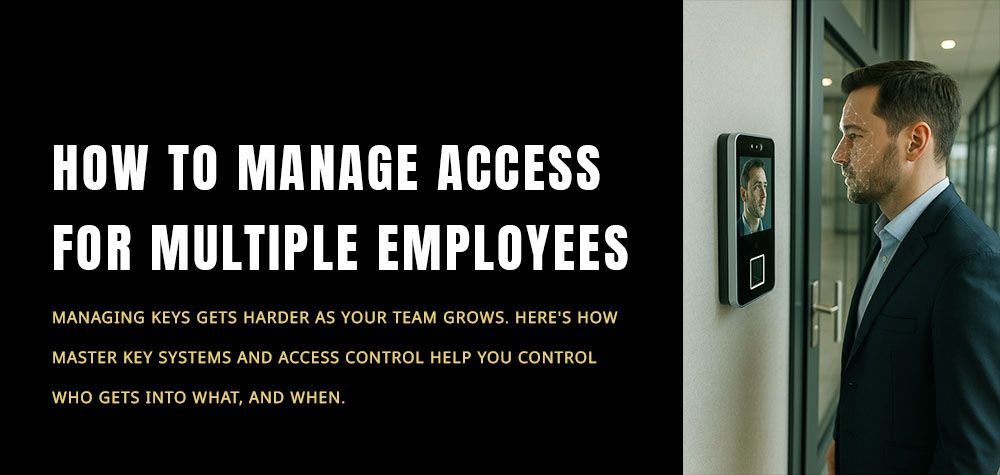
Still using keys, PIN codes, or magnetic stripe cards? These methods are not only outdated but also less secure. Modern systems use biometrics or mobile credentials for better security.
Why It Matters: Up-to-date authentication methods reduce the risk of unauthorized access and make your business more secure.
4. Frequent System Failures
If your access control system is constantly breaking down or requiring repairs, it’s outdated. Frequent failures not only disrupt business operations but also put your security at risk.
Why It Matters: A reliable system is essential. Frequent failures can leave your property vulnerable to unauthorized access.
5. Weak Reporting and Analytics
Does your system provide detailed reports and analytics on access patterns? If not, it’s outdated. Modern systems offer comprehensive data that helps in monitoring and improving security.
Why It Matters: Without robust reporting, you're missing out on valuable insights that could help prevent security breaches.
6. Non-Compliance with Security Standards
Security standards evolve. If your system doesn’t meet current regulations, it’s not just outdated—it’s a liability.
Why It Matters: Non-compliance can lead to hefty fines and increased risk of breaches. Staying up to date ensures your business meets all legal requirements.
7. Lack of Scalability
Is your system difficult to expand? As your business grows, your access control needs will change. If your system can’t keep up, it’s time for an upgrade.
Why It Matters: A scalable system grows with your business, ensuring that your security measures are always adequate.
Conclusion
An outdated access control system is more than just a nuisance—it’s a risk to your business. By recognizing the signs early, you can upgrade your system before it’s too late, ensuring that your property, employees, and data remain secure.
Upgrading isn’t just about having the latest tech; it’s about staying protected in a rapidly changing security landscape. Don’t wait for a breach to force your hand—take action now and invest in a system that meets your business’s needs today and in the future.
FAQs
Q: How often should an access control system be updated?
A: It's a good idea to review your access control system every few years to ensure it meets current security standards and can integrate with other technologies.
Q: What’s the first step in upgrading an outdated system?
A: Start by assessing your current system’s weaknesses. Then, consult with a security professional to explore modern options that suit your needs.
Q: Can upgrading my access control system save money?
A: Yes, while there’s an upfront cost, a modern system can reduce maintenance expenses, prevent costly breaches, and improve operational efficiency.
Q: How do I know if my system is non-compliant?
A: Review current security regulations and compare them to your system’s capabilities. A security audit by a professional can also help identify compliance issues.
Call Us Any Time!