Top Home Security Tips for New Homeowners
Moving into a new home is an exciting step, but securing it should be a top priority. As a new homeowner, it's essential to understand how to protect your property and loved ones. Here, we provide a comprehensive guide on the best home security tips, covering everything from residential lock repair and installation to the importance of lock rekeying, and even safe locks for valuable belongings.
1. Start with a Complete Lock Assessment
When moving into a new home, one of the first things you should do is assess all entry points, including doors and windows, to ensure that existing locks are effective and in good working order. The locks on your exterior doors should be robust and resistant to forced entry, especially at primary access points.
Why It Matters: Old or worn-out locks can make your home vulnerable to break-ins. Conducting an assessment allows you to identify locks that may need replacement or repair and ensures all entry points are secured.
Tip: Work with a professional locksmith to conduct this assessment. A locksmith can recommend lock upgrades based on your property layout and security needs.
2. Invest in Residential Lock Repair and Installation
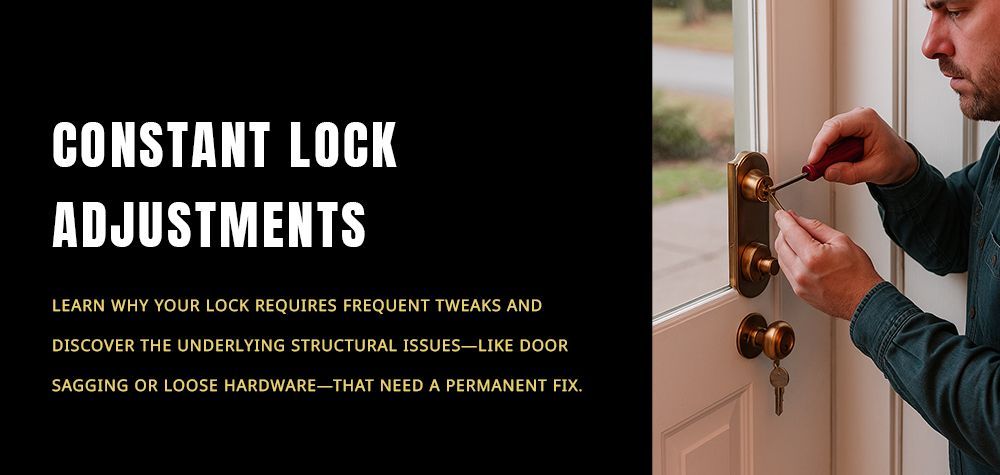
A crucial step in securing your home is ensuring that all locks function smoothly and securely. If you find any damaged or old locks, prioritize repairs or replacements with modern, high-security options.
Why It Matters: Faulty locks are a common target for burglars. Ensuring all locks are fully functional makes it significantly harder for someone to break into your home.
DIY vs. Professional: While some lock repairs might be manageable, hiring a professional locksmith ensures the job is done correctly. Professionals have the expertise to install locks that are resistant to tampering and can handle any unique security needs specific to your home.
3. Why Lock Rekeying is Essential
Lock rekeying is a quick and cost-effective way to secure a new home. By rekeying, a locksmith will adjust the inner mechanisms of your locks, making old keys unusable without the need to replace the locks themselves.
Benefits of Rekeying Locks:
Cost-Effective: Rekeying is generally cheaper than replacing all locks.
Enhanced Security: You’ll be certain that only you and people you trust have the keys to your home.
Flexibility: You can have all your locks rekeyed to work with a single key, making it easier to access your home.
When to Rekey: It’s especially crucial if you’re unsure of who has access to the previous owner’s keys. Rekeying ensures that only your keys will work, eliminating any security risks from old keys in circulation.
4. Install Smart Locks for Added Convenience and Security
Smart locks are an excellent choice for new homeowners looking for enhanced security and convenience. These locks allow you to access your home using a smartphone app or digital code, making it unnecessary to keep track of physical keys.
Advantages of Smart Locks:
Keyless Entry: No need to carry keys, and you can easily change codes if needed.
Remote Access: Many smart locks can be controlled remotely, allowing you to lock or unlock doors even when you're not home.
Access History: Some smart locks provide a record of who accessed the lock and when, helping you keep track of entry activity.
Installation Tip: A professional locksmith can guide you in selecting and installing the right smart lock system for your doors and budget. Smart locks are ideal for high-traffic entry points, such as the front door, while other doors may still benefit from traditional deadbolts or key locks for added security.
5. Consider High-Quality Safe Locks for Valuables
If you have valuables or important documents, investing in a secure, high-quality safe lock can be a smart addition to your home security. Safes come with a range of locking mechanisms, from combination locks to biometric fingerprint scanners.
Why Use a Safe Lock:
Secure Storage: A high-quality safe offers a safe place to store items like jewelry, passports, important documents, and emergency cash.
Theft Deterrent: Heavy, well-secured safes make it difficult for burglars to steal or access your valuables.
Fire and Water Protection: Many safes are fireproof and waterproof, protecting your valuables in case of natural disasters.
Choosing a Safe: Opt for a safe with a reliable lock mechanism, such as a combination lock or digital keypad. If possible, secure it to the floor or wall to make it harder to remove.
6. Don’t Forget Window and Sliding Door Locks
Windows and sliding doors are commonly overlooked entry points. Many burglars target these areas because they’re often less secure than standard entry doors.
Tips for Securing Windows:
Add Window Locks: Install window locks on all ground-level windows and any others that are easily accessible.
Reinforce Sliding Doors: Sliding doors can be secured with a rod or bar in the track to prevent forced entry. Some sliding doors also allow for the installation of secondary locks for added security.
Additional Options: You can also install shatterproof film or glass break sensors for windows. These add an extra layer of security by deterring forced entry.
7. Use Outdoor Lighting and Motion Detectors
Outdoor lighting is an effective deterrent against potential intruders. Well-lit exteriors, particularly around doors and windows, make it less likely for burglars to attempt entry.
Types of Security Lighting:
Motion-Sensor Lights: Automatically illuminate areas when motion is detected, startling potential intruders and notifying you of activity outside.
Smart Lighting: Some systems allow you to control lights remotely and schedule lighting patterns, giving the impression someone is home even if you’re away.
8. Set Up a Comprehensive Home Security System
A home security system is one of the most effective ways to secure your property. Modern systems come with various features, including alarms, cameras, and even remote access to keep you connected.
Benefits of a Home Security System:
24/7 Monitoring: Many security systems offer professional monitoring services that alert you and emergency services if there’s a breach.
Security Cameras: Cameras provide real-time visuals of your property and can deter potential burglars.
Remote Control: Access your security system via an app, allowing you to check on your home and control security features from anywhere.
How Often Should You Replace Your Home Locks?
FAQs
Is lock rekeying necessary for a new home?
Yes, lock rekeying is essential for a new home as it prevents previous key holders from accessing your property. It’s a cost-effective way to ensure that only you have access to your home.
What’s the difference between lock repair and lock replacement?
Lock repair addresses minor issues in the lock, while lock replacement involves removing and installing a new lock. Repair is typically suitable for functional locks with minor wear, whereas replacement is ideal for outdated or severely damaged locks.
Are smart locks secure enough for main entrances?
Yes, smart locks are highly secure, especially when professionally installed and used with multi-factor authentication features. They offer convenience and are an excellent choice for main entrances.
What types of safes are best for valuables?
Fireproof, waterproof safes with high-quality lock mechanisms (like digital keypads or biometric scanners) are ideal for securing valuables and important documents.
Do I need a locksmith for smart lock installation?
While some smart locks are DIY-friendly, professional installation ensures proper alignment, programming, and security setup. A locksmith can also guide you on the best smart lock options for your needs.
Can I install a security system myself?
Some security systems are DIY-friendly, but professional installation is recommended for complex systems with multiple sensors and cameras to ensure all components work seamlessly together.
Conclusion
Securing your new home doesn’t have to be overwhelming. By taking simple, proactive steps like rekeying locks, repairing or replacing outdated locks, and installing modern solutions like smart locks, safes, and home security systems, you can build a comprehensive protection plan tailored to your home’s needs. Remember, a professional locksmith is an invaluable partner in this process, helping you safeguard your property with expert guidance and reliable installations. With these security measures in place, you can enjoy peace of mind knowing your home and loved ones are well-protected.
Call Us Any Time!