What to Do If Your Lock Gets Jammed During an Emergency
A jammed lock is frustrating under normal circumstances — but during an emergency, it can quickly become a source of panic and risk. Whether you’re trying to exit during a fire, secure your home during a break-in scare, or access a room where someone needs help, a malfunctioning lock can delay critical action. Knowing how to respond calmly and effectively can prevent damage, reduce stress, and help restore access as quickly as possible. This guide explains why locks jam in urgent situations and what steps you can safely take when time matters most.
Why Smart Locks Drain Batteries Faster Than Advertised
Why Locks Tend to Jam at the Worst Possible Moments
Lock failures often seem to happen unexpectedly, but they’re usually the result of gradual wear or hidden issues. Emergencies simply expose these vulnerabilities because locks are operated quickly, forcefully, or under stress. Dirt buildup, internal wear, misalignment, or temperature changes may have already weakened the mechanism before the jam occurred.
In urgent moments, people may also apply extra force, unintentionally worsening the problem. Understanding that most jams have underlying causes helps you approach the situation with caution rather than panic.
Stay Calm and Assess the Situation First
Your immediate reaction can influence whether the lock can be freed safely or becomes further damaged. Take a brief moment to evaluate the severity of the emergency and the safest course of action. If there is immediate danger such as fire or medical distress, prioritize alternative exits or emergency services rather than attempting prolonged lock repair.
If the situation allows a few moments of troubleshooting, calm and controlled actions are far more effective than forceful attempts that may break keys or damage the lock.
Check for Simple Obstructions or Alignment Issues
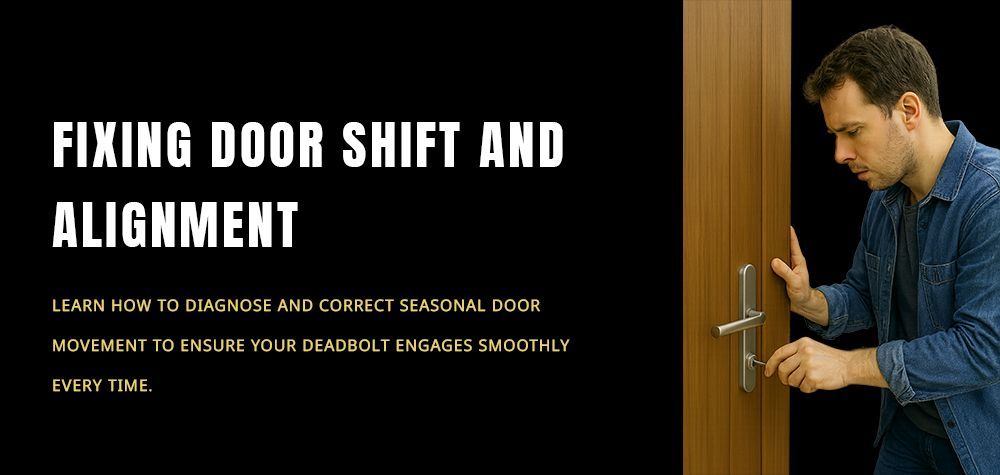
Sometimes a lock jams due to minor issues such as pressure on the door or slight misalignment between the latch and strike plate. Gently pushing or pulling the door while turning the key may relieve tension and allow the mechanism to move.
If the key doesn’t turn smoothly, remove it and inspect for visible debris or bending. Even small obstructions inside the keyway can prevent pins from aligning properly, causing the lock to stick unexpectedly.
Use Lubrication If Available
If the emergency allows and lubrication is accessible, applying a small amount of lock-safe lubricant can reduce friction and help free internal components. This is particularly useful when jams are caused by dirt buildup or minor corrosion.
However, avoid overusing general oils or forcing lubricant into the lock without control. Excess liquid may trap debris or worsen internal clogging. In urgent scenarios, lubrication should be a quick aid rather than an extensive repair attempt.
Avoid Excessive Force That Can Worsen the Problem
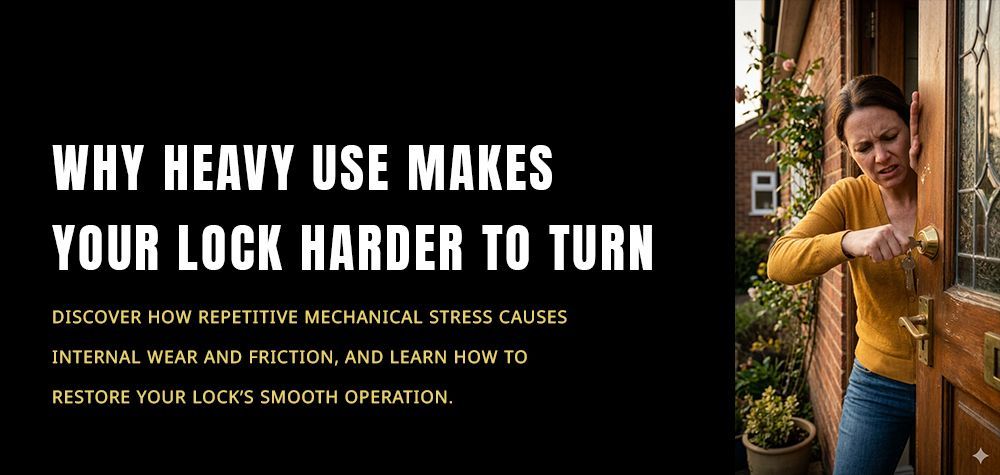
It’s natural to apply pressure when a lock refuses to turn, but excessive force can snap keys, strip internal components, or permanently damage the cylinder. A broken key inside the lock can significantly complicate access and prolong the emergency.
If the lock resists gentle attempts, shift your focus to alternative entry or exit options rather than escalating force. Preserving the lock’s condition increases the likelihood of resolving the issue quickly once professional help arrives.
Why Locks Fail After Heavy Rain or Flooding
Try Backup Access Options When Time Is Critical
Emergencies highlight the importance of having alternative access points. Secondary doors, windows, or spare keys stored in secure locations can provide quick solutions when the primary lock fails. Smart locks may also offer app-based unlocking as a backup if mechanical operation is compromised.
Potential alternatives include:
- Using another exit or entry door if available
- Accessing spare keys from trusted neighbors or family members
- Unlocking smart locks via mobile apps or backup codes
- Entering through accessible windows in non-dangerous situations
- Utilizing emergency release features on interior locks
These options can save valuable time and reduce stress when dealing with a jammed lock under pressure.
When Breaking the Lock May Be Necessary
In life-threatening emergencies, preserving safety outweighs preserving hardware. If all other options fail and immediate access is essential, forced entry may be necessary. This could involve breaking the lock, door, or nearby glass depending on the situation and level of urgency.
However, forced entry should be considered a last resort and performed carefully to avoid injury. Once the emergency is resolved, the lock and surrounding hardware should be replaced or repaired to restore security.
Preventing Future Lock Jams in Emergency Situations
The best way to handle lock emergencies is to reduce the likelihood of them occurring in the first place. Regular maintenance, inspections, and timely repairs help ensure locks function reliably when you need them most.
Preventive practices include:
- Periodic lubrication and cleaning of lock mechanisms
- Checking door alignment and tightening loose hinges
- Replacing worn or sticking locks before failure occurs
- Testing emergency exits and backup access methods
- Keeping spare keys accessible in secure, trusted locations
These proactive steps improve reliability and ensure locks perform smoothly even during stressful situations.
The Importance of Professional Inspection After a Lock Jam
Even if a jam is resolved temporarily, underlying damage may remain. Internal components could be worn, bent, or partially broken, increasing the risk of future failures. A professional inspection helps identify hidden issues and determine whether repair or replacement is the safest option.
Ignoring a jam after it’s freed can lead to repeated problems, often at equally inconvenient or dangerous times. Addressing the root cause ensures long-term reliability and peace of mind.
Final Thoughts: Preparedness Turns Panic Into Control
A jammed lock during an emergency can feel overwhelming, but calm action and preparation can make a critical difference. By understanding common causes, avoiding forceful reactions, and knowing when to use alternative access or seek help, you can navigate the situation more safely. Locks are essential to both security and emergency readiness, making regular maintenance and professional support key to dependable performance when it matters most.
Need Immediate Help With a Jammed Lock?
If you’re dealing with a lock that won’t turn, sticks repeatedly, or has failed during an urgent situation, professional assistance can restore access quickly and safely. Brothers Locksmith offers emergency lockout services, lock repairs, and replacements designed to resolve urgent lock issues without unnecessary damage. Our experienced technicians respond promptly to help homeowners regain access and restore security with minimal stress.
Contact Brothers Locksmith today for fast emergency locksmith support and reliable lock solutions when you need them most.
Call Us Any Time!