Why Apartment Locks Fail More Often Than House Locks

December 13, 2025

If you’ve ever lived in an apartment long enough, chances are you’ve dealt with a lock that suddenly jammed, spun, refused to turn, or just gave up one day without warning. What surprises most people is how common this is.

Homeowners often assume lock failure is about bad luck or cheap hardware. But from a locksmith’s point of view, apartment locks fail more frequently than house locks for very specific, structural reasons — and most of them have nothing to do with how careful you are.

At Brothers Locksmith, we get far more emergency calls from apartment residents than from single-family homes. Let’s break down why that happens, what’s really going on behind the scenes, and what renters (and landlords) can realistically do about it.


How to Tell If Your Home Is Being Targeted for a Break-In


Apartment Locks Are Used Far More Than House Locks

This is the simplest reason — and one of the most overlooked.

Apartment locks experience constant use. Not just by you, but often by:

  • previous tenants
  • maintenance staff
  • cleaners
  • inspectors
  • property managers
  • emergency services

Every key turn wears down pins, springs, and internal components. Over time, that wear adds up. Even a decent lock will start to feel stiff, gritty, or inconsistent.

In houses, locks usually serve one family. In apartments, they serve a rotation of people over years. The lock ages faster than it looks.


Rekeying Weakens Apartment Locks Over Time

Apartment locks are rekeyed frequently — sometimes dozens of times.

Each rekey involves replacing or rearranging internal pins. While rekeying is far cheaper than full replacement, it slowly degrades the lock’s precision. Pins may no longer align perfectly. Springs weaken. Cylinders become more tolerant of “almost correct” keys.

That’s why apartment keys often feel slightly loose or wobbly. And once that tolerance grows too large, the lock becomes prone to:

  • sticking
  • partial turns
  • key snapping
  • sudden refusal to unlock

Brothers Locksmith often finds apartment locks that technically still work — but are one bad turn away from failure.


Landlords Prioritize Cost Over Longevity

This is uncomfortable but true.

Many apartment complexes install locks based on bulk pricing, not long-term durability. Builders and property managers often choose:

  • lower-grade cylinders
  • lightweight internal components
  • locks designed for easy rekeying rather than strength

These locks are meant to be serviceable and replaceable — not necessarily long-lasting.

In contrast, homeowners tend to invest in locks that are stronger, heavier, and built to last because they’re thinking in decades, not tenant turnover cycles.


Apartment Doors Shift More Than House Doors

Apartments are part of larger structures. As buildings settle, expand, or shift with temperature changes, doors subtly move out of alignment.

This causes problems like:

  • bolts scraping the strike plate
  • keys needing extra force to turn
  • locks working “only if you pull the door”
  • deadbolts that don’t fully extend

House doors shift too — but apartment buildings experience compound movement from multiple units, floors, and shared walls.

Lock stress builds slowly. One day, the key just won’t turn.


Shared Building Access Creates More Vibration and Impact

Think about how often apartment doors slam.

Hallway pressure changes, people rushing, kids running, delivery drivers — all of this creates constant vibration. Over time, that vibration loosens:

  • mounting screws
  • strike plates
  • internal lock components

That’s why locksmiths frequently find apartment locks that feel loose inside the door or spin slightly when turning the key.

In houses, doors are used more gently and predictably.


Apartment Locks Are Often Installed Incorrectly

Speed matters in apartment construction and turnover. Locks are often installed quickly — sometimes by non-locksmith contractors.

Common issues include:

  • strike plates not aligned properly
  • short screws used instead of long reinforcement screws
  • cylinders installed under tension
  • deadbolts mounted slightly off-center

These mistakes don’t always cause immediate failure. But over months or years, they dramatically shorten the life of the lock.


Weather Exposure Hits Apartments Differently

Apartments often have:

  • exterior corridors
  • metal doors exposed to sun and rain
  • drafty hallways
  • poorly sealed door frames

This means locks experience moisture, dust, and temperature swings more frequently. Corrosion builds inside the cylinder — especially in coastal or humid areas.

House locks are often better protected by overhangs, porches, and improved weather sealing.


Can a locksmith help convert a manual door to keyless access?


Tenants Don’t Always Report Early Warning Signs

Many renters hesitate to report lock issues unless the lock completely fails. They assume stiffness or grinding is “normal,” or they don’t want to bother management.

Unfortunately, those early signs are exactly when a lock should be serviced.

By the time a locksmith is called, the lock is often beyond simple repair.


Master Key Systems Add Complexity — and Risk

Many apartment buildings use master key systems so management can access units.

These systems are convenient, but they add complexity inside the lock. More shear lines, more pins, more wear points.

When poorly maintained, master-keyed locks fail faster and are more vulnerable to internal malfunction.

Brothers Locksmith regularly services apartment locks where the master system itself is the reason for repeated failures.


Why House Locks Last Longer

House locks benefit from:

  • fewer users
  • fewer rekeys
  • better door alignment
  • less vibration
  • higher-grade hardware
  • owners who respond quickly to issues

It’s not that house locks are magically better — they’re simply treated better and built for a different use pattern.


What Apartment Residents Can Do

Even as a renter, you still have options:

Pay attention to early signs like stiffness or delayed turning. Report issues immediately — not after a lockout. Use lubricant approved for locks (never oil or grease). Avoid forcing the key. If allowed, request lock replacement instead of repeated rekeying.

If your building permits it, upgrading to a keyless smart lock (with landlord approval) can eliminate many of these issues altogether.


When to Call a Professional Locksmith

If your apartment lock:

  • feels harder to turn each week
  • works only at certain angles
  • scrapes or grinds
  • sticks during weather changes
  • has been rekeyed multiple times

…it’s time to get it checked before it fails completely.

Brothers Locksmith works with both tenants and property managers to diagnose whether a lock needs adjustment, reinforcement, or full replacement — often preventing emergency lockouts.


Final Thoughts

Apartment locks don’t fail more often because you’re unlucky. They fail because they’re used harder, altered more frequently, installed faster, and maintained less proactively.

Understanding why they fail puts you ahead of the problem.

A lock that feels “slightly off” today is usually tomorrow’s lockout. And catching it early is always easier than dealing with it at midnight outside your door.

Call Us Any Time!
Call Now
By Rabia Tingat August 17, 2026
A hidden spare key feels convenient, but it's one of the first things burglars check. Learn why visible spare keys are a security risk and safer alternatives.
Common Security Gaps Around Patio Doors
By Rabia Tingat August 15, 2026
Learn the common security gaps around patio doors, from weak latches to worn tracks, and how stronger locks and reinforcement help close them.
How to Make Your Front Door More Resistant to Forced Entry
By Ghulam Mustafa August 8, 2026
Learn how to make your front door more resistant to forced entry with stronger locks, reinforced frames, secure hinges, and better door hardware.
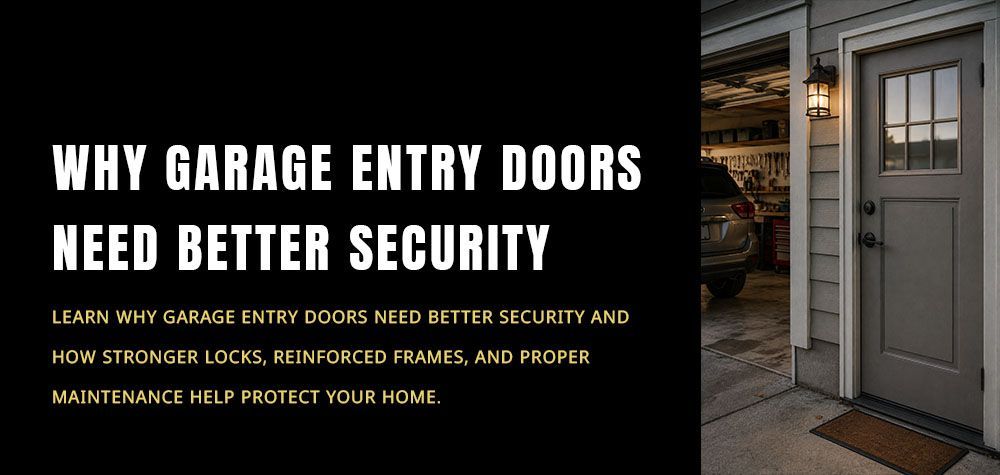
Why Garage Entry Doors Need Better Security
By Ghulam Mustafa August 6, 2026
Learn why garage entry doors need better security and how stronger locks, reinforced frames, and proper maintenance help protect your home.
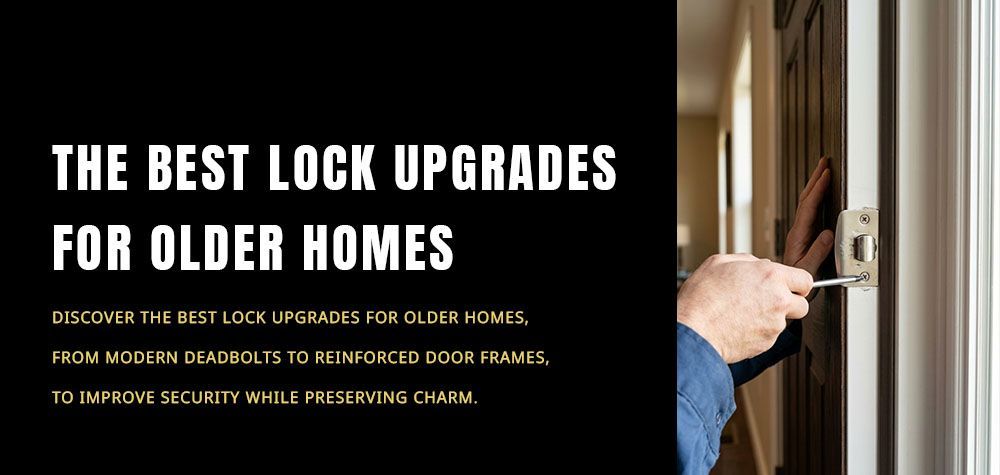
The Best Lock Upgrades for Older Homes
By Ghulam Mustafa August 4, 2026
Discover the best lock upgrades for older homes, from modern deadbolts to reinforced door frames, to improve security while preserving charm.
By Ghulam Mustafa August 1, 2026
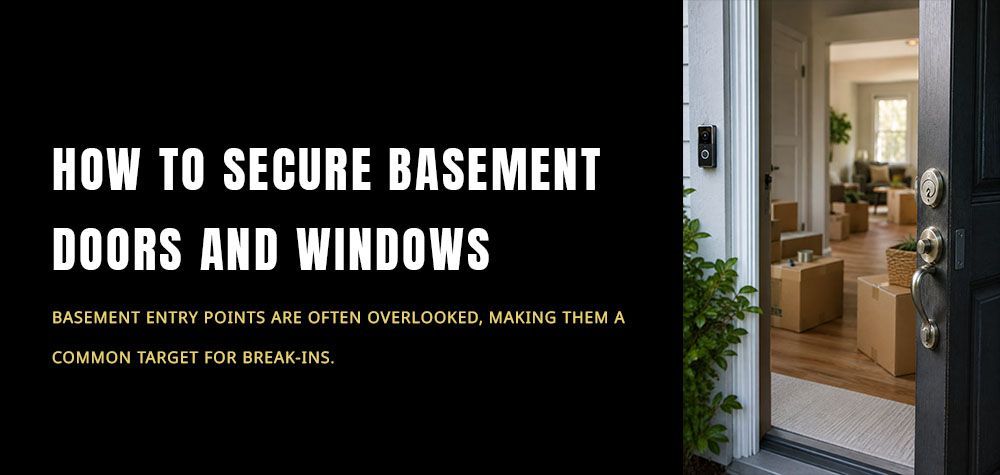
Securing basement doors and windows is essential because these entry points are often less visible, less frequently used, and more likely to be overlooked than the main entrances of a home. Reinforcing locks, maintaining the surrounding frames, improving lighting, and regularly inspecting basement access points can significantly reduce the risk of unauthorized entry. Many homeowners spend time securing their front and back doors but pay little attention to the basement. Because basement entrances are often hidden behind landscaping, fences, or below ground level, they can provide the privacy that opportunistic burglars look for. Whether your basement includes exterior doors, hopper windows, sliding windows, or egress windows, treating these access points with the same level of security as the rest of your home is an important part of protecting your property. Quick Answer To secure basement doors and windows, install quality locks, reinforce the door frame, ensure windows close and lock properly, improve outdoor lighting, trim nearby landscaping, and inspect all basement entry points regularly. Keeping these areas well maintained and visible helps reduce vulnerabilities and strengthens your home's overall security. Why Are Basement Entry Points More Vulnerable? Basement entrances often receive less attention than front or back doors because they are used less frequently. Many are located at the side or rear of the property, partially hidden from neighboring homes and street traffic. This additional privacy can make them more appealing to someone attempting unauthorized access. Because homeowners may not inspect these areas regularly, worn hardware, loose locks, or damaged frames can remain unnoticed for long periods. Giving basement doors and windows the same attention as other exterior entry points helps eliminate these common weaknesses. How Important Is a Secure Basement Door? If your basement has an exterior door, it should provide the same level of protection as your front entrance. A quality deadbolt , durable lock cylinder , reinforced strike plate , and solid door frame all contribute to stronger security. The door should close tightly without excessive gaps and allow the deadbolt to extend fully into the strike plate. If the door sticks, sags, or requires extra force to lock, correcting the alignment helps both security and long-term lock performance. A secure basement door forms one of the most important barriers protecting the rest of your home. Why Should Basement Windows Be Inspected Regularly? Basement windows are often smaller than standard windows, but they can still provide access if they are damaged or left unsecured. Over time, window locks may wear out, frames can deteriorate, and windows may no longer close completely because of foundation movement or moisture. Testing every basement window periodically ensures the locking hardware operates properly and that there are no visible gaps that could compromise security. Regular inspections also allow homeowners to identify water damage or structural problems before they become more serious. Can Door Reinforcement Improve Basement Security? Absolutely. Even a high-quality lock provides limited protection if the surrounding door frame is weak. During a forced-entry attempt, the frame and strike plate absorb much of the impact. Reinforcing these components improves the door's ability to withstand force while allowing the deadbolt to perform as intended. A reinforced basement entrance also reduces long-term wear by maintaining proper alignment between the door and locking hardware. Why Does Outdoor Lighting Matter Around Basement Entrances? Basement entrances often remain darker than other areas around the home. Without adequate lighting, someone can approach the door or window with a reduced chance of being noticed. Motion-activated lighting immediately increases visibility whenever movement is detected, making concealed access more difficult. Installing lighting near basement stairwells, exterior doors, and window wells also improves safety for homeowners accessing these areas after dark. Good visibility is one of the simplest and most effective security improvements. Can Landscaping Affect Basement Security? Yes. Dense shrubs, tall plants, or overgrown vegetation around basement windows and doors may provide cover for someone attempting to enter the home unnoticed. Keeping landscaping neatly trimmed improves visibility while reducing hiding places around vulnerable entry points. Clear sightlines also make it easier for neighbors or passing pedestrians to notice suspicious activity near the basement. Balancing privacy with visibility helps create a more secure property. Why Is Proper Lock Maintenance Important? Locks that are rarely used often receive the least maintenance. Dust, moisture, and dirt can accumulate inside the keyway , affecting the smooth movement of internal pins and springs. A lock that feels stiff today may eventually become difficult to operate if ignored. Cleaning and lubricating basement door locks with an appropriate dry lubricant helps extend their lifespan while ensuring reliable performance whenever the entrance is used. Routine maintenance also allows homeowners to identify worn components before they fail. Should Egress Windows Remain Secure? Yes, but they must also remain functional for emergencies. Basement egress windows are designed to provide a safe exit during fires or other emergencies. While they should always be secured against unauthorized entry, any security measures used should still allow occupants to open the window quickly from inside when necessary. Regular testing ensures both the locking hardware and emergency release function correctly. Balancing security with emergency accessibility is especially important for finished basements used as living spaces or bedrooms. Can Smart Security Devices Help Protect Basement Entrances? Smart home technology can provide additional protection for basement access points. Security cameras positioned near basement doors or stairwells allow homeowners to monitor activity remotely. Motion sensors and smart lighting systems can also provide alerts whenever movement is detected around these less frequently used areas. These systems work best when combined with strong physical security such as reinforced doors, quality locks, and properly maintained windows. Technology should enhance—not replace—solid mechanical security. When Should You Have a Locksmith Inspect Basement Entry Points? If your basement doors or windows have not been inspected in several years, a professional evaluation can identify issues that may not be immediately visible. A locksmith can examine the deadbolt , lock cylinder , door frame , strike plate , hinges, and overall door alignment to ensure the entrance provides dependable protection. They can also recommend repairs or adjustments that improve security without necessarily replacing existing hardware. Professional inspections are especially valuable after renovations, foundation movement, or signs of attempted forced entry. Frequently Asked Questions Are basement doors easier to break into? They can be if they have outdated locks, weak door frames, poor lighting, or are hidden from public view. Proper reinforcement greatly improves security. Should basement windows always be locked? Yes. Every basement window should remain securely locked whenever it is not being used for ventilation or emergency access. Can landscaping affect basement security? Yes. Overgrown shrubs and dense vegetation can provide hiding places near basement doors and windows, making unauthorized access easier to conceal. Do basement locks require maintenance? Absolutely. Cleaning and lubricating locks periodically helps maintain smooth operation and extends the life of the locking mechanism. Are security cameras useful for basement entrances? Yes. Cameras help monitor areas that are less frequently used and may discourage suspicious activity around basement doors and windows. When should I call a locksmith? You should contact a locksmith if your basement door becomes difficult to lock, the frame shows signs of damage, the hardware feels loose, or you want a professional security inspection. Final Thoughts on How to Secure Basement Doors and Windows Basement doors and windows deserve the same level of protection as every other exterior entrance. Reinforced door frames , quality deadbolts , secure window locks, proper lighting, and regular maintenance all help reduce vulnerabilities that could otherwise be overlooked. Creating a secure basement is about combining strong physical security with consistent inspections and preventative maintenance. By identifying small problems early and ensuring every basement entry point remains in good condition, homeowners can improve the overall security of their property while gaining greater peace of mind.
By Ghulam Mustafa August 1, 2026
New Title
Why Empty Homes Attract Burglars
By Ghulam Mustafa July 31, 2026
Learn why empty homes attract burglars and discover practical ways to secure vacant properties, strengthen entry points, and deter break-ins.
More Posts