Why Are My House Locks Freezing? Prevention and Solutions
Winter can be a tough season for your locks, especially if you live in an area that gets hit hard by freezing temperatures. You step outside, try to turn the key, and—nothing. The lock’s frozen solid. It’s frustrating and can be concerning when you need quick access to your home. But don’t worry! We’re about to explore why this happens, and I’ll give you all the tips you need to prevent and solve frozen locks, so you’re never caught out in the cold again. If a you are in need of a professional help, please get in touch!
Understanding Why Locks Freeze
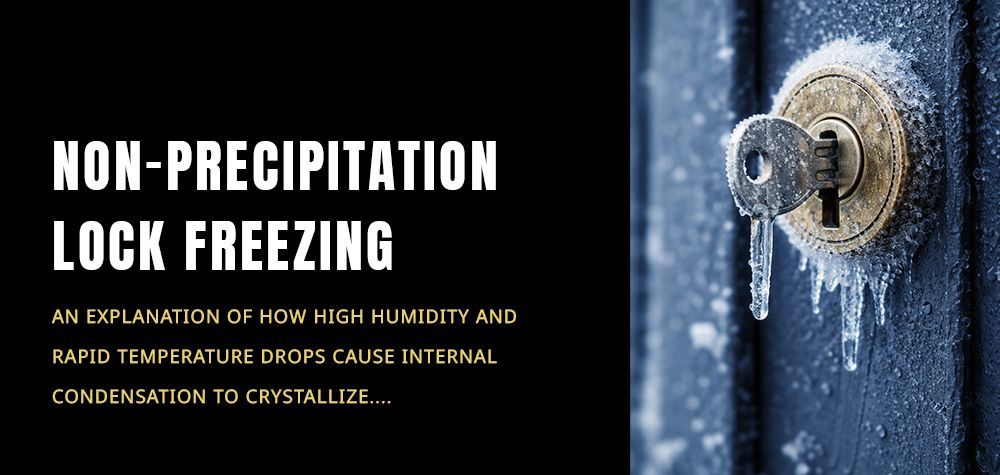
Locks freeze due to a combination of moisture and cold temperatures. Here’s a closer look at why this happens:
- Condensation – Water can build up in your lock from condensation, especially if it’s exposed to fluctuating temperatures. Overnight, this moisture freezes, making it impossible to turn the key.
- Humidity – If you live in a humid area, the damp air can lead to more moisture buildup within the lock, which is more likely to freeze in cold weather.
- Rain or Snow Exposure – Exterior locks are exposed to the elements, so rain or snow can easily enter the tiny crevices. When temperatures drop, this water freezes and jams the lock mechanism.
Quick Fixes for a Frozen Lock
If your lock is already frozen, here’s how you can get it working again without causing damage:
- Warm the Key – Hold the key in your hand or warm it with a lighter for a few seconds (not too close!) and then gently insert it into the lock. Repeat as needed until the ice melts.
- De-icer Spray – Commercial lock de-icers are available at most hardware stores. Just a quick spray directly into the lock can melt ice quickly. Keep a small can in your car or bag during winter for emergencies.
- Hand Sanitizer – In a pinch, a few drops of alcohol-based hand sanitizer on the key can work wonders. Alcohol has a lower freezing point, so it melts ice effectively. Just don’t overdo it, as too much moisture can lead to future buildup.
- Hair Dryer – If you have an extension cord and a hair dryer handy, aim it at the lock for a few minutes to warm up and melt the ice inside.
Preventing Locks from Freezing
The best way to deal with a frozen lock is to prevent it from freezing in the first place. Here’s how:
- Use a Lock Lubricant – Before winter sets in, apply a graphite-based lock lubricant. It’s dry, won’t freeze, and creates a protective layer inside the lock to prevent moisture buildup.
- Weatherproof Covers – Lock covers are a simple but effective way to keep rain, snow, and frost out of the lock. These small, often rubber covers fit over the lock and shield it from the elements.
- Regular Maintenance – Clean your locks every few months with a dry cloth, especially before winter. This prevents any lingering moisture that can freeze once temperatures drop.
- Avoid Oil-Based Lubricants – While it might be tempting, avoid oil-based lubricants in your locks. Oils can thicken and become sticky in cold weather, trapping more moisture and potentially causing even more freezing issues.
- Install a Storm Door – If you have exterior locks that freeze frequently, installing a storm door can add an extra layer of protection. It shields the lock from direct exposure to wind and snow, making it less likely to freeze.
Long-Term Solutions for Extreme Climates
If frozen locks are a common issue for you, consider these more permanent solutions:
- Electronic Smart Locks – Many smart locks don’t require keys, which removes the freezing issue entirely. Battery-operated models are usually resistant to cold temperatures, but always check the lock’s temperature rating before purchasing.
- Keyless Entry Pad – Similar to smart locks, keyless entry pads are less likely to freeze and are a great choice for homes in cold regions. They use buttons or touchpads, so there’s no need for a key to get stuck or frozen.
- Weather-Resistant Locks – Some locks are designed to handle extreme temperatures better than others. Look for weather-resistant models with a high-quality finish and durable materials. Stainless steel or coated metal locks are great options for cold climates.
What to Avoid When Dealing with Frozen Locks
When your lock is frozen, it’s essential to handle it carefully to avoid causing damage:
- Avoid Pouring Hot Water – It might be tempting, but don’t pour hot water on a frozen lock. The rapid temperature change can damage the metal, and once the water cools, it will just freeze again.
- Don’t Force the Key – Never try to force a frozen lock. It can lead to broken keys or internal lock damage, making the problem worse.
Final Thoughts
A frozen lock is frustrating, but it’s not unbeatable. With the right prevention steps and quick solutions, you can keep your locks functioning smoothly all winter long. Remember to check your locks before the season’s first freeze, invest in preventive care, and keep some quick-fix tools on hand. That way, when winter hits, you’ll be ready.
Call Us Any Time!