Why Shared Housing Needs Different Lock Solutions
Shared housing has become increasingly common in cities and college towns. Whether it’s roommates splitting rent, students sharing a house, co-living arrangements, or multi-tenant properties, these setups create unique security challenges that traditional single-family lock systems were never designed to handle.
Many shared homes still rely on a single front door lock and bedroom privacy knobs. While this may seem sufficient at first glance, shared living environments demand more thoughtful, layered security solutions. Without the right setup, safety risks, liability issues, and conflicts between tenants can quickly arise.
Understanding why shared housing needs different lock solutions can help property owners and tenants make smarter decisions that protect both people and property.
What to Do If Your Lock Stops Working After Painting a Door
Shared Housing Creates Multiple Access Levels
In a single-family home, everyone typically trusts each other and shares access to all spaces. In shared housing, that dynamic changes.
There are usually multiple levels of access:
Main entry door access for all residents
Private bedroom access restricted to individual occupants
Shared areas like kitchens and bathrooms
A single lock system cannot properly manage these different access levels. Each resident should feel secure in their private space without compromising the overall safety of the property.
When access control isn’t clearly defined, disputes and security gaps become inevitable.
Turnover Is Higher in Shared Living Arrangements
One of the biggest differences in shared housing is frequent tenant turnover. In student housing or roommate situations, residents may move out every few months.
If locks are not rekeyed or access credentials updated after someone leaves, former occupants may still have working keys.
This creates serious risks:
Unauthorized re-entry
Property theft
Personal safety concerns
Unlike single-family homes, shared housing requires a lock strategy that accounts for ongoing change.
Not All Roommates Know Each Other Well
In many shared housing situations, tenants are not lifelong friends. Some may have met online, through rental listings, or through housing agencies.
This means:
Trust levels vary
Backgrounds are unknown
Conflicts can arise
A proper locking system ensures privacy and reduces tension. Bedroom doors with secure, key-based entry (not just privacy knobs) offer personal control and peace of mind.
Security shouldn’t rely solely on interpersonal trust.
Traditional Locks Don’t Offer Flexible Access Control
Standard mechanical locks require physical keys. When multiple people need access, duplicate keys multiply quickly.
Problems include:
Lost or copied keys
Difficulty tracking who has access
Costly full lock replacements after key loss
In shared housing, flexibility is critical. Locks that allow rekeying or credential changes without full replacement provide a major advantage.
This is especially important for landlords managing multiple tenants simultaneously.
Liability Concerns Are Higher for Property Owners
Landlords and property managers face greater liability in shared housing environments.
If a tenant’s belongings are stolen because locks weren’t properly maintained, or if a former tenant re-enters using an old key, legal complications can follow.
Proper lock systems help demonstrate responsible property management. Rekeying between tenants and maintaining secure bedroom locks show due diligence.
Shared housing increases responsibility, and security measures should reflect that reality.
Bedroom Security Is Just as Important as Front Door Security
In shared homes, the bedroom often functions as a private apartment within a larger unit.
Residents store:
Personal electronics
Important documents
Cash or valuables
Standard privacy knobs offer minimal resistance to forced entry. Upgrading to keyed entry locks or reinforced door hardware significantly improves individual security.
Each tenant deserves control over their personal space.
Are Combination Locks Safe for Home Use?
Smart Locks and Keypad Systems Offer Practical Advantages
Modern lock technology can simplify shared housing security.
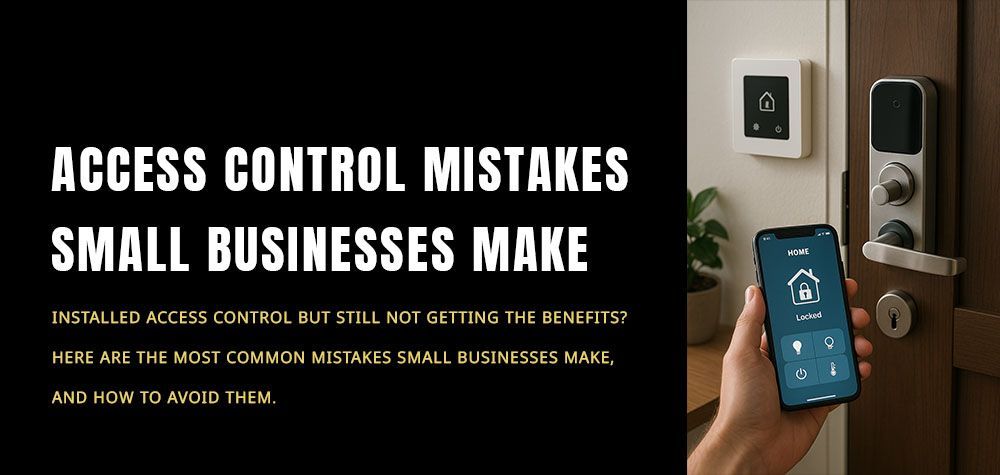
Smart locks or keypad systems allow:
Unique codes for each resident
Easy code deletion when someone moves out
No physical key duplication
Instead of collecting keys and replacing cylinders repeatedly, access can be updated digitally.
For larger shared properties, this dramatically reduces administrative burden and improves accountability.
Master Key Systems Can Balance Access and Privacy
In professionally managed shared housing, master key systems provide structured access control.
Residents have keys for:
Main entry doors
Their private bedrooms
Property managers retain a master key for maintenance or emergency access.
This approach balances tenant privacy with necessary management oversight.
However, master key systems must be carefully designed to prevent unauthorized duplication.
Shared Housing Is Often in High-Traffic Areas
Many shared homes are located near campuses, downtown areas, or public transit hubs. These environments typically experience higher foot traffic and increased exposure to opportunistic crime.
Because multiple people enter and exit at different times, doors may be:
Left unlocked
Improperly closed
Propped open
Locks in shared housing must be durable, reliable, and resistant to frequent use. High-traffic environments demand higher-grade hardware.
Conflict Prevention Through Clear Security Boundaries
Security in shared housing isn’t just about stopping burglars. It’s also about preventing roommate conflicts.
Clear boundaries reduce misunderstandings about:
Borrowed items
Uninvited guests
Unauthorized room access
When bedroom doors are properly secured, disputes decrease. Tenants feel respected and protected, creating a healthier living environment overall.
Emergency Access Must Be Considered
In shared housing, emergency situations require careful planning.
Property owners need a way to access rooms in cases such as:
Water leaks
Electrical hazards
Medical emergencies
At the same time, tenants deserve privacy. The right lock system must balance emergency access with controlled authorization.
This balance is more complex than in single-occupancy homes.
Why One-Size-Fits-All Solutions Don’t Work
Installing the same lock setup used in a traditional family home often leaves gaps in shared housing security.
Shared environments require:
Layered access control
Frequent rekeying or credential updates
Private room security
Durable, high-use hardware
Without these adjustments, the property remains vulnerable—both physically and legally.
How Brothers Locksmith Helps Secure Shared Housing
At Brothers Locksmith, we understand that shared housing has unique demands.
We assess:
Entry door strength
Bedroom lock quality
Rekeying needs
Access control systems
Tenant turnover frequency
Whether you manage student housing, roommate rentals, or co-living properties, we design lock solutions that protect residents while simplifying management.
Security should evolve with how people live—and shared housing requires thoughtful, customized protection.
Final Thoughts: Shared Living Requires Smarter Security
Shared housing changes the way access works. Multiple occupants, varying trust levels, and frequent turnover create complexities that traditional locks weren’t built to address.
By upgrading to flexible, layered locking systems, property owners reduce risk and tenants gain peace of mind.
Because in shared living, security isn’t just about keeping strangers out—it’s about protecting everyone inside.
Call Us Any Time!