

5 Reasons Why People Lock Themselves Out of Their House and How to Prevent It
July 1, 2021
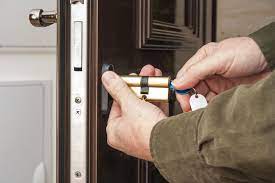
You think it’ll never happen to you until you’re standing at your front door, groceries in hand, only to realize you have no way of getting back in. For one reason or another, your keys are MIA. You’re locked out. This is a common predicament, and it can happen to even the most vigilant adults. Before resorting to breaking in, learn the main reasons people get locked out of their homes, and what you can do to prevent a lockout.
- Lost keys: Though most of us run through the “wallet, phone, keys” check when leaving home or running errands, in the hurry of everyday life, it’s easy to set your keys down only to forget to pick them up again. Due to their size and weight, keys are also liable to slipping out of our hands and pockets unnoticed. Because we’re accustomed to having our keys on us at all times, we may not even realize they’re gone until it’s too late.
- Leaving keys inside: You don’t need to lose your keys entirely to get locked out. In many cases, all it takes is forgetting to bring your keys outside when you’re locking up. Many residences have automated locks that seal the door as soon as they’re shut, key or no key. Even if your door isn’t fitted with any fancy gadgets, most exterior doors have two locks: the standard door lock and deadbolt. The standard door lock and be set from the inside and lock the moment someone pulls the door shut. It’s in reaching for your deadbolt key, however, that you realize your pockets are empty, the door is sealed, and your keys are sitting safely inside.
- Damaged or broken keys: They may be made of steel or brass, but keys aren’t indestructible. Over time, the teeth on a key become worn down, making it difficult for the notches to catch inside the lock. This, combined with excessive force, can cause keys to break inside the lock itself, leaving residents with no way to turn the lock and open the door.
- Door jambs: Houses and apartments are unpredictable. Whether through drastic temperature changes or moisture, door frames can expand and contract, causing them to become stuck. Locks can also become jammed through rust or constant wear. In these cases, even if your key is in prime condition, there might not be a way to get your door unstuck without damaging it.
- Stolen keys: In the worst case scenario, keys and key rings can be stolen off our person or taken when we leave them sitting around. If you don’t have a spare, you could be left with no option of getting back into your home.
Though we’re in the business of busting locks, if we could prevent home lockouts — and the embarrassment and stress that comes with them — we would. You might not be able to protect against broken keys or door jams, but following these useful tips could help you avoid all preventable lockouts:
- Limit all keys to one key-ring. It may be bulky and slightly difficult to carry around, but having a single ring for all your keys results in less items to keep track of, in addition to being harder to lose.
- Set a designated drop-off point. Having a small key dish or hook near your front door can serve as a reminder to bring your keys with you through all your comings and goings.
- Make a spare key. In the unfortunate case of a lockout, it’s handy to have a spare key either on your person or stored in a secure location outside your residence. Duplicate keys can be created at most hardware stores or through key copy kiosks. You can then hide your spare in a secure location, or store it in a covert outdoor key-holder (these are often disguised as rocks or sprinklers).
- Have a mental check-list. Remember the “wallet, phone, keys” check we mentioned earlier? This may seem like a no-brainer, but doing a simple check for your valuables before you return home can help you keep track of your possessions and alert you to any missing items.
Call Us Any Time!
Key stuck, hard to turn, or car won't start? Learn the signs of a failing ignition cylinder, what causes it, and what to do before you get stranded.
Restricted key systems stop unauthorized copies. Learn how restricted keyways, patents, and authorization work, and if your business needs one.
A key control policy shows who holds keys, who can copy them, and what happens when one is lost. Learn what to include and who should own it.
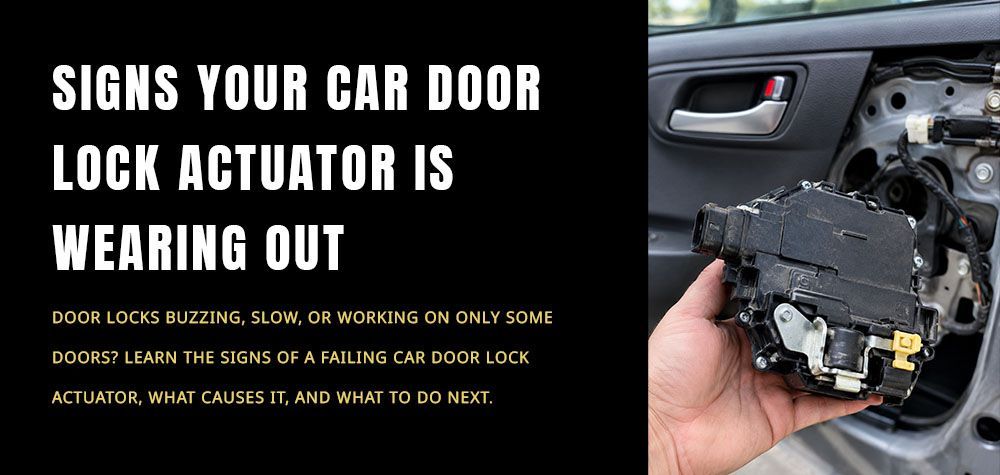
Door locks buzzing, slow, or working on only some doors? Learn the signs of a failing car door lock actuator, what causes it, and what to do next.
Car door unlocks but won't open? Learn the common causes, from child locks to broken latches and handle cables, plus what to try before calling a pro.
Waiting for a lock to fail costs more than checking it early. Here's how often to inspect commercial locks, and what events should trigger a check sooner.
Installed access control but still not getting the benefits? Here are the most common mistakes small businesses make, and how to avoid them.
An employee's departure leaves behind keys, codes, and credentials. Here's a step-by-step checklist to close every access gap before it becomes a risk.