

Unfortunately, vehicle break-ins are an all-too-common occurrence. While there is no way to guarantee that you’ll never experience a break-in, there are specific precautions you can take to minimize the likelihood that it will happen. Remember that most crimes like these are crimes of convenience, so by implementing these extra steps, you can make it more difficult or unappealing to a would-be thief to break into your vehicle.
8 Ways To Help Prevent Vehicle Break Ins
March 1, 2023
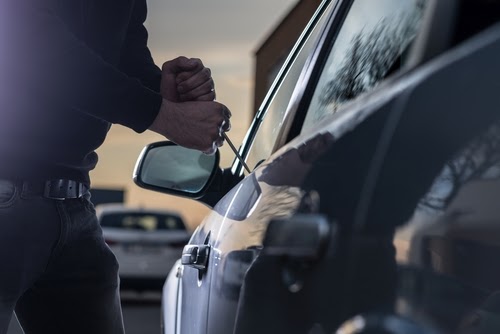
Below, we’ve included eight tips for protecting your car from break-ins.
- Lock your car doors and roll up the windows . Whenever you park, double check to see if your doors are locked and your windows are closed. In many cases, thieves look for unlocked cars as it is much easier for them to steal items inside. Thieves do not want to bust a window or pick a lock if they don’t have to, because the longer they spend at the car, the more likely it is that someone will see them. Be sure to keep your car locked while you are driving, too. For instance, if your doors are unlocked, a carjacker could hop in while you’re stopped at a light!
- Park in well-lit areas . Parking in a dark or shadowy areas makes it easier for thieves to break in without being seen. Thieves prefer to operate in the dark and are less likely to break into a car if it is in a well-lit area. If you have to park on the street at night, try to park under a street light.
- Install a security system and advertise it . An anti-theft system such as a steering wheel lock, ignition cut-off, or window alarm can be effective at preventing a burglary. A security system may include options such as motion sensors and sirens that sound if someone breaks in. Some new systems even have two-way communication so that when the alarm goes off, you are notified on your smartphone. Also, slapping a car alarm sticker on your window can help deter thieves – even if you don’t actually have a car alarm.
- Hide valuables . It’s best to avoid keeping any valuables in your car, but in times when you have to, be sure to cover them with a blanket or towel, or put them in the trunk. Place small valuables in the center console or glove box. If valuables in your vehicle are visible, it drastically increases the chance a thief will target your car.
- Tint your windows . Window tint can make it difficult to see inside your car, and, if thieves can’t see into your vehicle, they’ll be less likely to break in because they don’t know that anything valuable is inside. However, be sure to check the window tint regulations in your state. The front windshield is typically the most restrictive. A good rule of thumb for side windows is to choose tinting that allows for 35% of visible light through.
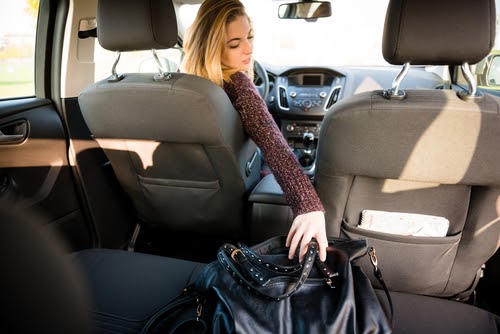
- Make your stereo less eye-catching . Stereo systems draw the attention of thieves and are among the most commonly stolen items during car break-ins. If you have an expensive stereo, consider removing the radio faceplate and putting it in your glove box whenever you leave your vehicle. A stereo without a faceplate makes it less valuable and therefore less likely to be stolen. Also, don’t put a decal advertising the brand of your stereo, as a noticeable name brand could be an appealing target for thieves.
- Don’t leave your car running . While you may be tempted to leave your car on if you’re just popping into a convenience store for a minute, that short period of time still gives someone a chance to jump in and steal your car. According to the FBI, in 2016 there were more than 765,000 thefts of motor vehicles in the United States. Furthermore, in most states, it’s against the law to leave your car unattended and running.
- Do not park in places that don’t feel safe. Trust your instincts. Avoid places with no lights and no security cameras. If possible, avoid a secluded parking lot, as that allows thieves to break into your car with less risk of being seen. If you park where there are other cars, thieves may target a more vulnerable car instead of yours. Try not to park in places where you see people loitering. Sometimes thieves hang around and wait for people to park so they can then look in the car to see if there are valuables inside.
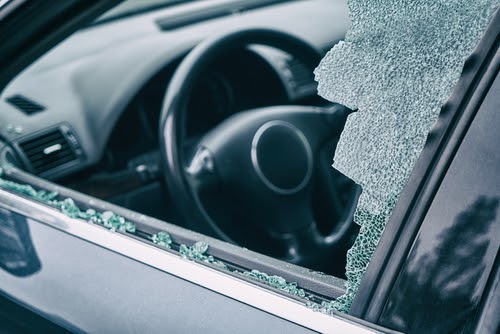
Criminals often prey on easy victims. Thieves are opportunistic, and if you eliminate their opportunities for theft, you are far less likely to become a target. Following the above tips should significantly decrease the chance that your car gets broken into. Always use common sense and stay safe.
Locked Out? Call Brothers Locksmithk for Help
Call Us Any Time!
Key stuck, hard to turn, or car won't start? Learn the signs of a failing ignition cylinder, what causes it, and what to do before you get stranded.
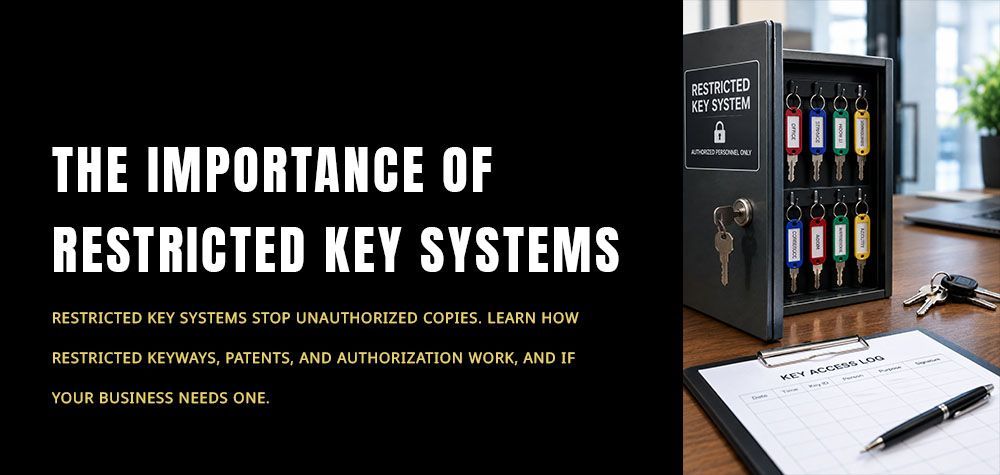
Restricted key systems stop unauthorized copies. Learn how restricted keyways, patents, and authorization work, and if your business needs one.
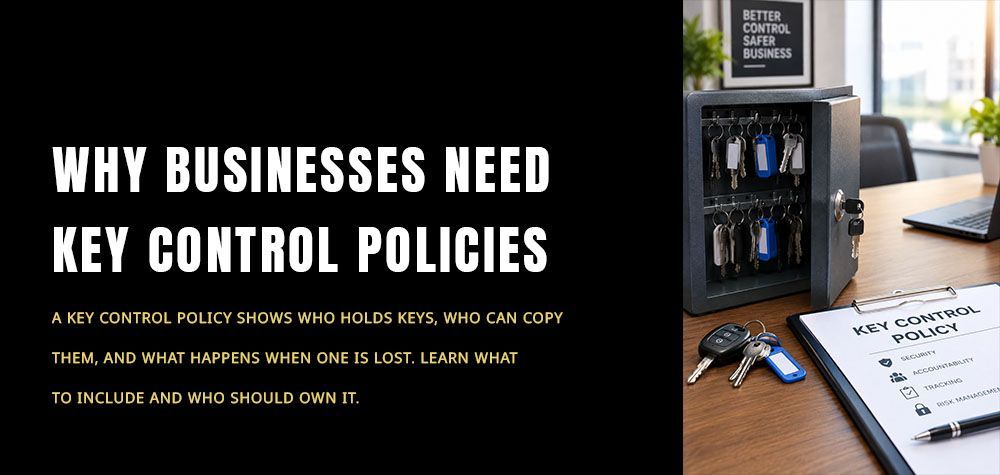
A key control policy shows who holds keys, who can copy them, and what happens when one is lost. Learn what to include and who should own it.
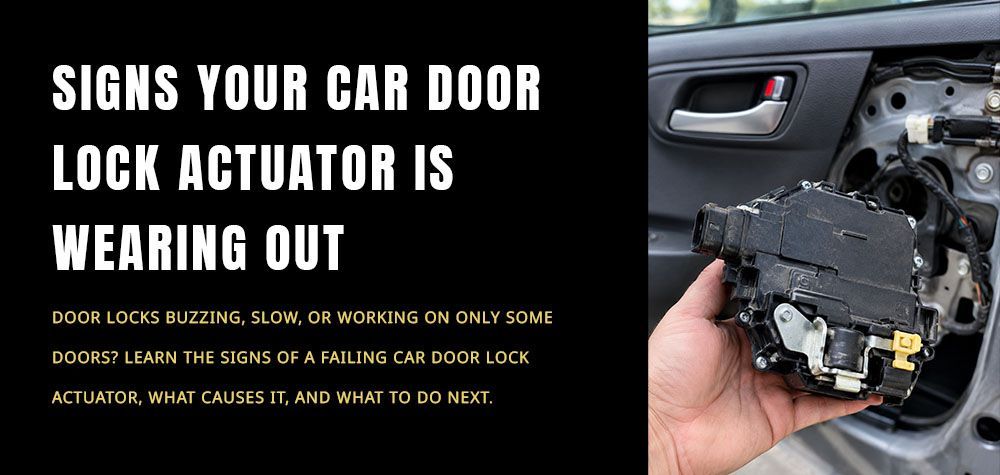
Door locks buzzing, slow, or working on only some doors? Learn the signs of a failing car door lock actuator, what causes it, and what to do next.
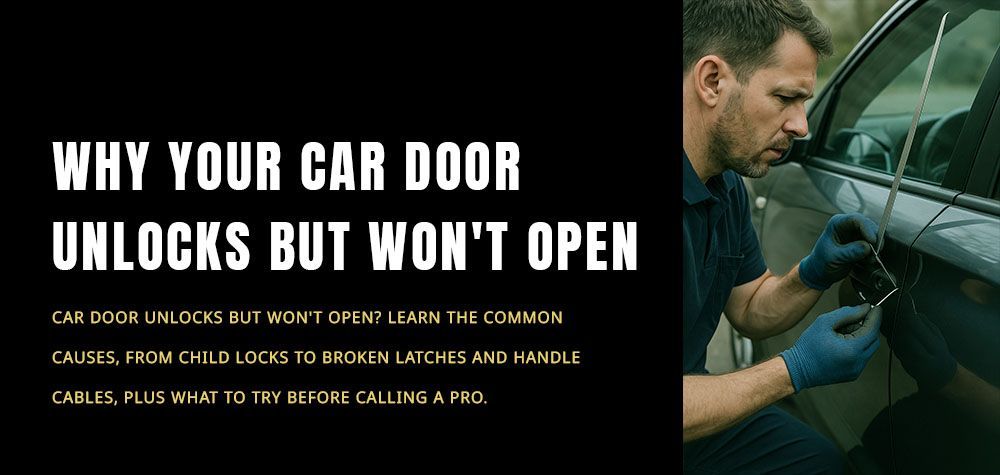
Car door unlocks but won't open? Learn the common causes, from child locks to broken latches and handle cables, plus what to try before calling a pro.
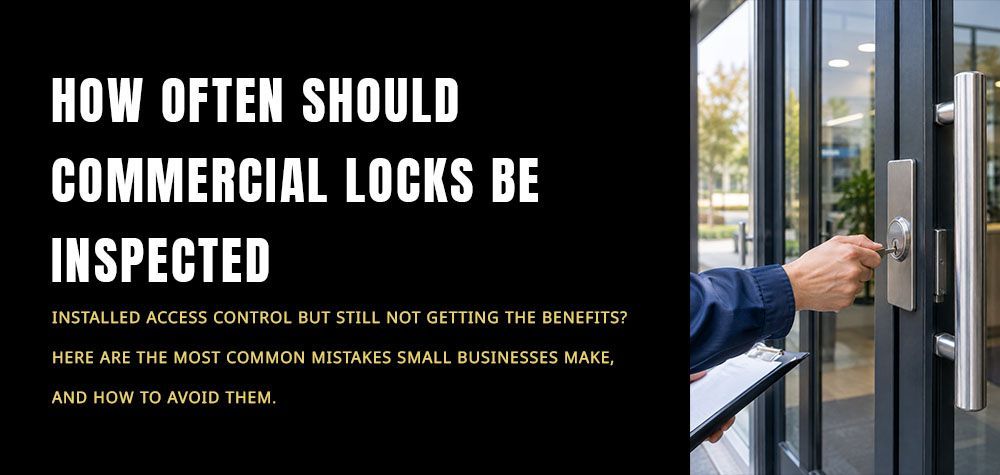
Waiting for a lock to fail costs more than checking it early. Here's how often to inspect commercial locks, and what events should trigger a check sooner.
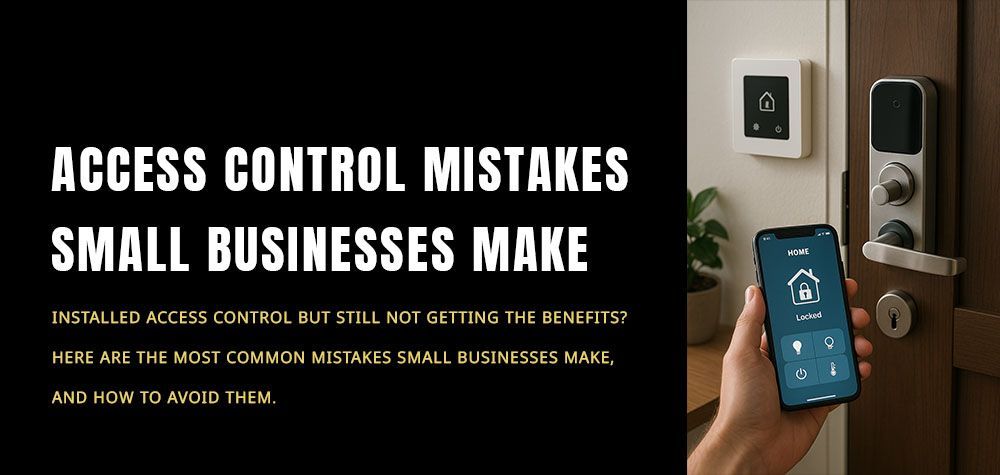
Installed access control but still not getting the benefits? Here are the most common mistakes small businesses make, and how to avoid them.
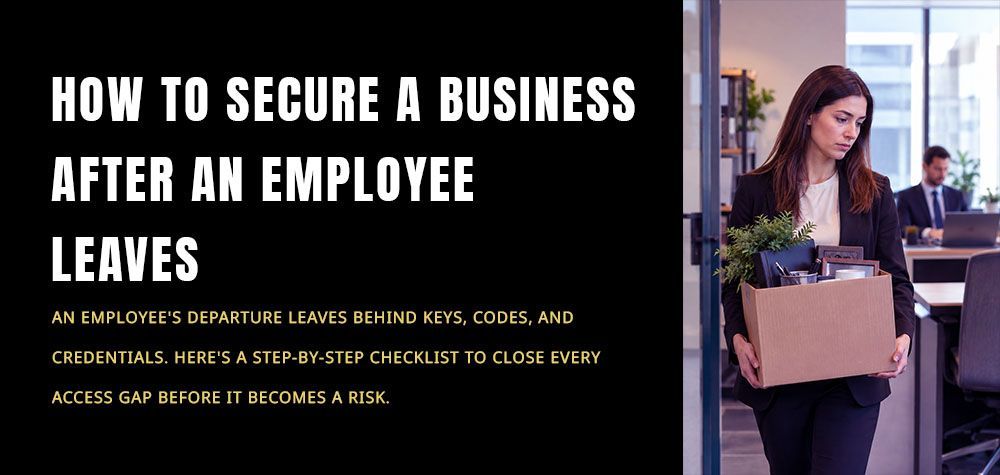
An employee's departure leaves behind keys, codes, and credentials. Here's a step-by-step checklist to close every access gap before it becomes a risk.