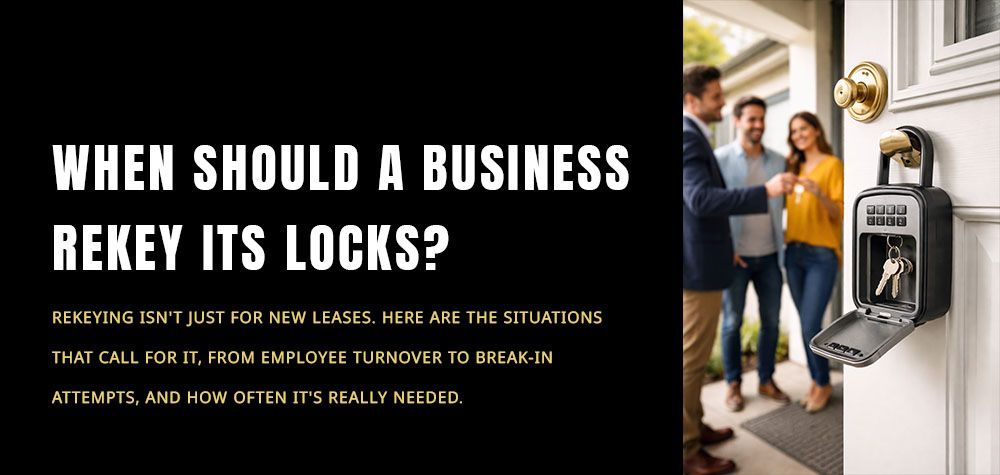
Are Combination Locks Safe for Home Use?
Combination locks have long been associated with lockers, safes, and storage units, but in recent years, many homeowners have started considering them for residential doors as well. The idea of securing your home without worrying about lost keys is appealing, but it also raises an important question: are combination locks actually safe for home use?
The answer isn’t a simple yes or no. Combination locks can be safe, but only when the right type is chosen, installed correctly, and used in the right context. Understanding how these locks work, where they perform best, and where they fall short is essential before trusting them with your home’s security.
What to Do If Your Lock Was Forced but Not Broken
What Is a Combination Lock and How Does It Work?
A combination lock uses a preset sequence of numbers, symbols, or button presses to unlock a door instead of a traditional key. In residential settings, these locks are commonly mechanical push-button locks or keypad-based locks.
When the correct combination is entered, internal components align to allow the bolt or latch to retract. Unlike smart locks, most traditional combination locks do not rely on Wi-Fi, Bluetooth, or mobile apps. This makes them appealing to homeowners who want keyless entry without digital complexity.
Why Homeowners Are Drawn to Combination Locks
One of the biggest advantages of combination locks is convenience. There are no keys to lose, copy, or forget inside the house. This can be especially helpful for families with children, elderly residents, or frequent visitors.
Combination locks also make access management simpler. Homeowners can share a code with trusted individuals such as cleaners, relatives, or service providers without handing over a physical key. When access is no longer needed, the combination can be changed, restoring control immediately.
Are Combination Locks Secure Enough for Exterior Doors?
Combination locks can be secure, but their safety depends heavily on build quality and installation. High-quality combination locks made from solid materials and designed for residential use can provide reliable protection. However, cheaper or outdated models may be vulnerable to manipulation or forced entry.
Unlike high-security deadbolts or smart locks, basic combination locks often lack advanced resistance to drilling, bumping, or torque attacks. This doesn’t make them unsafe by default, but it does mean they should be chosen carefully and installed as part of a broader security strategy.
Common Security Concerns With Combination Locks
One of the primary concerns with combination locks is code exposure. Over time, repeated use can leave visible wear on frequently pressed buttons, making it easier for someone to guess the combination. In some cases, neighbors, delivery personnel, or passersby may observe the code being entered.
Another concern is limited complexity. Some mechanical combination locks have fewer possible combinations than digital or smart alternatives, which can reduce their resistance to guessing if the lock is targeted repeatedly.
These risks can be minimized, but they should not be ignored.
How Combination Locks Compare to Traditional Key Locks
Traditional locks rely on physical keys, which introduces risks such as lost keys, unauthorized duplicates, or lock picking. Combination locks eliminate these issues but replace them with code-based vulnerabilities.
In practice, a high-quality combination lock and a high-quality traditional lock can offer similar levels of security. The difference lies in how they are managed. A traditional lock depends on key control, while a combination lock depends on code secrecy and regular maintenance.
Combination Locks vs Smart Locks for Home Security
Combination locks are often confused with smart locks, but they are not the same. Smart locks typically include encryption, access logs, remote control, and alerts, while combination locks are usually standalone devices.
Combination locks are appealing to homeowners who want simplicity and reliability without relying on batteries, apps, or internet connections. Smart locks, on the other hand, offer more advanced monitoring and control but require ongoing maintenance and updates.
Neither option is universally better. The right choice depends on your comfort level with technology and your security priorities.
Why Your Door Unlocks but Won’t Lock Again
Where Combination Locks Work Best in a Home
Combination locks are particularly well-suited for certain areas of the home. They work very well on side doors, garage entry doors, home offices, workshops, and rental properties where access needs to change frequently.
For front doors or main entry points, combination locks are safest when paired with a high-security deadbolt or reinforced door hardware. This layered approach increases resistance to forced entry and compensates for any single lock’s limitations.
The Importance of Professional Installation
Even the best combination lock can fail if it’s installed incorrectly. Misaligned bolts, weak strike plates, or loose mounting can dramatically reduce security.
Professional installation ensures that the lock engages fully, the door frame can withstand force, and the combination mechanism operates smoothly. At Brothers Locksmith, installation isn’t just about making the lock work—it’s about making sure it actually protects your home.
Maintenance and Best Practices for Safe Use
Combination locks require ongoing attention to remain secure. Changing the code periodically helps prevent unauthorized access. Cleaning the keypad or buttons reduces visible wear patterns. Monitoring how and where the code is entered helps limit exposure.
When these best practices are followed, combination locks can remain reliable and secure for years.
When Combination Locks Are Not the Best Choice
Combination locks may not be ideal for homeowners who want detailed access logs, remote locking, or real-time alerts. They may also be less suitable in high-crime areas if used as the sole locking mechanism on an exterior door.
In these cases, pairing a combination lock with additional security features—or choosing a different lock type altogether—may be the safer option.
Final Verdict: Are Combination Locks Safe for Home Use?
Yes, combination locks can be safe for home use when they are high-quality, professionally installed, and used thoughtfully. They offer convenience, keyless access, and reliable performance, especially when combined with other security measures.
However, they are not a one-size-fits-all solution. Like any lock, their effectiveness depends on how they are chosen, installed, and maintained.
Get Expert Advice on Combination Locks From Brothers Locksmith
If you’re considering a combination lock for your home, Brothers Locksmith can help you decide whether it’s the right fit for your doors and your lifestyle. We provide honest assessments, professional installation, and security solutions designed to protect your home long-term.
Because real security isn’t about trends—it’s about choosing what actually keeps you safe.
Call Us Any Time!