How to Install a Deadbolt Lock in 9 Steps
Ensure your home's security by putting in a deadbolt lock with our professional installation services, offering peace of mind and enhanced protection.
How to Install Deadbolt
Installing a deadbolt can enhance your home's security. Start by choosing a high-quality deadbolt lock. Begin by marking the desired height for the deadbolt on the door, typically 6-12 inches above the doorknob. Use the template provided with the lock to mark the hole positions for the deadbolt and latch. Drill the holes using the appropriate size hole saw and drill bits. Insert the latch into the edge of the door and secure it with screws.
Then, place the deadbolt mechanism through the hole and attach the exterior and interior plates, ensuring they align correctly. Secure the plates with screws, and test the lock to ensure smooth operation. Finally, install the strike plate on the door frame, ensuring it aligns with the latch bolt. Secure the strike plate with long screws for added strength.
Completion Time : 1 Hour
Cost Estimate: $25-$300
What you'll need:
Tools:
- Electric Drill
- Tape
- Tape measure
- 1-inch spade bit
- 1/8-inch hole saw
- Lubricant
- pencil
- Chisel
- Philips-head screwdriver
Supplies:
- Deadbolt
- Installation kit
Securing your home is a top priority, and one effective way to enhance your door's security is by installing a deadbolt lock. Deadbolts provide an additional layer of protection, making it more challenging for unauthorized individuals to gain access to your property.
Installing a deadbolt lock might seem like a daunting task, but with the right tools and a step-by-step guide, you can easily fortify your home's entry points. In this comprehensive 9-step tutorial, we'll walk you through the process of installing a deadbolt lock, offering clear instructions and valuable tips to ensure that your home remains a safe and secure haven for you and your loved ones. Take control of your home's security and follow these straightforward steps to install a deadbolt lock confidently.
1. Removing an Existing Deadbolt
Removing an existing deadbolt is a crucial step when upgrading your home's security. Begin by dismantling the current deadbolt using a screwdriver and following these simple steps. This process sets the stage for installing a new, robust deadbolt to fortify your door against potential intruders.
2. Determine Deadbolt Placement
Determining the precise placement of a deadbolt is a fundamental aspect of bolstering your home's security. Start by measuring the door's thickness to ensure compatibility with the deadbolt. Next, determine the optimal height for installation, typically around 6 to 12 inches above the doorknob. Consider the door's construction and the deadbolt's design to position it securely within the door.
A well-placed deadbolt reinforces the door against forced entry attempts, offering a reliable defense mechanism. Additionally, take into account any manufacturer-specific recommendations for installation. This step-by-step attention to deadbolt placement ensures not only enhanced security but also a seamless integration that complements your door's structure for maximum effectiveness.
3. Place Your Paper Template
Secure your deadbolt installation success by placing the paper template provided with the lock. Align it precisely on the door according to manufacturer instructions. The template serves as a guide for hole placement, ensuring accurate drilling for the deadbolt components. Taking this initial step guarantees a well-positioned deadbolt, contributing to the overall security of your door and providing a foundation for the subsequent installation steps.
4. Drill Lock Hole
Once your paper template is securely in place, proceed to drill the lock hole, a pivotal step in installing a deadbolt. Utilize a hole saw of the appropriate size, following the markings on the template precisely. Ensure that the drill is level and straight during this process to avoid any misalignment issues. Drilling the lock hole accurately lays the groundwork for seamless deadbolt installation, enhancing the security of your door effectively.
5. Drill Latch Bolt Hole
Following the successful drilling of the lock hole, the next step is to drill the latch bolt hole. Refer to the paper template for the precise location and size of this hole. Use a suitable drill bit to create a hole of the correct diameter, ensuring it aligns with the door frame. This step prepares the door for the insertion of the latch bolt, facilitating smooth operation of the deadbolt lock once installed.
6. Install Faceplate
Following the successful drilling of the lock hole, the next step is to drill the latch bolt hole. Refer to the paper template for the precise location and size of this hole. Use a suitable drill bit to create a hole of the correct diameter, ensuring it aligns with the door frame. This step prepares the door for the insertion of the latch bolt, facilitating smooth operation of the deadbolt lock once installed.
7. Insert Latch Bolt
Carefully insert the latch bolt into the hole drilled in the door, ensuring it aligns with the strike plate on the door frame. Secure it in place using the provided screws. Confirm the smooth operation of the latch bolt before proceeding, ensuring that it extends and retracts easily when the door is opened and closed. This step lays the foundation for a properly functioning deadbolt lock.
8. Install Door Jamb
Secure your deadbolt by attaching the strike plate to the door frame. Align it meticulously with the latch bolt, ensuring smooth operation. Adjust the jamb for a snug fit, fortifying your door against unauthorized access. This step is vital for optimal deadbolt functionality and overall home security.
9. Test the Lock
Conclude your deadbolt installation by thoroughly testing the lock's functionality. Insert the key, turn it in both directions, and confirm the smooth operation of the deadbolt. Ensure that the latch bolt extends and retracts effortlessly when using the door handle. Perform multiple tests to guarantee the lock's reliability, providing you with the peace of mind that your home's security has been effectively reinforced.
Types of Deadbolts
Single-Cylinder Deadbolt:
Operates with a key on one side and a thumb turn on the other, striking a balance between security and convenience. It's easy to use but may pose a security risk if the thumb turn is reachable, making it suitable for doors without adjacent windows.
Double-Cylinder Deadbolt:
Requires a key on both sides, providing heightened security, especially for doors with glass panels.
Offers increased protection, but caution is needed for quick exit during emergencies due to the key requirement on both sides.
Vertical Deadbolt:
Installed vertically, enhancing resistance to forced entry by reinforcing the door frame. It Provides added security by making it more difficult for intruders to pry the door open using common techniques.
Smart Deadbolt:
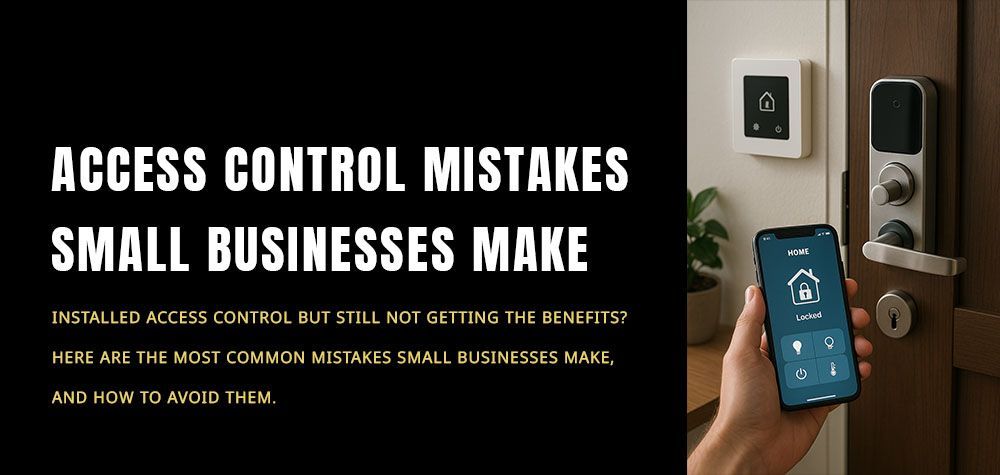
Integrates technology for remote control and monitoring via smartphones or home automation systems. Keyless entry, remote access, and activity monitoring enhance convenience and security, introducing advanced functionalities for modern home protection.
DIY Deadbolt Installation Vs. Hiring a Pro
Choosing between a DIY deadbolt installation and hiring a professional depends on various factors, including your skill level, time, and budget. DIY installation offers cost savings, typically requiring only the price of the deadbolt lock, averaging $20 to $200.
However, it demands attention to detail and may be time-consuming. On the other hand, hiring a professional locksmith ensures expertise and saves time, but it comes at a higher cost, ranging from $75 to $300, excluding the lock price. Consider your comfort with DIY tasks, the complexity of your door, and your budget constraints when deciding between the hands-on approach and the convenience of professional installation.
Cost to Install a Deadbolt
The cost to install a deadbolt can vary based on whether you choose a DIY approach or hire a professional locksmith. If you opt for a DIY installation, the primary expense will be the deadbolt lock itself, ranging from $20 to $200, depending on the brand and features. On the other hand, hiring a professional locksmith typically comes with a service fee, which can range from $75 to $300.
This fee covers their expertise, time, and tools. Keep in mind that additional costs might arise if your door requires modifications or if you opt for a more advanced smart deadbolt. Consider your budget, skill level, and the level of security you desire when deciding on the most suitable option for your deadbolt installation.
Can I Install a Deadbolt Myself?
Yes, many people successfully install deadbolts themselves. However, it's essential to have basic DIY skills and follow the manufacturer's instructions carefully to ensure proper installation.
Can I install a deadbolt on any type of door?
Deadbolts are versatile and can be installed on various door types. However, certain doors may require additional modifications. Consult the deadbolt manufacturer's guidelines and consider seeking professional help if your door poses challenges.
Are smart deadbolts worth the extra cost?
Smart deadbolts offer added convenience and security features, such as keyless entry and remote monitoring. Whether they are worth the extra cost depends on your preferences and budget. Evaluate the features and benefits to determine if a smart deadbolt aligns with your home security needs.
Call Us Any Time!