Best fingerprint locks 2024
In an era of rapidly evolving technology, securing our homes and commercial properties has never been more crucial. One of the most innovative and reliable advancements in security technology is biometric security. Biometric security systems use unique physical or behavioral characteristics to verify an individual’s identity. This cutting-edge technology has found its way into our everyday lives, offering a heightened level of security and convenience. In this article, we will explore the world of biometric security with a focus on fingerprint door locks and access control systems with fingerprint readers.
Read more about Best outdoor cameras 2024 guide!
What Is Biometric Security?
Biometric security is the use of unique physical or behavioral characteristics to verify an individual’s identity. As technology has advanced, biometric security systems have become more sophisticated and reliable, offering improved security measures for various applications, including door locks. There are several types of biometric devices, each with its own unique method for identifying individuals.
Fingerprint Scanners
These devices capture an individual’s fingerprint and use it to identify the person. Fingerprint scanners are widely used in various applications, including smartphones, laptops, and door locks.
Iris Scanners
Iris scanners scan the unique patterns in an individual’s iris to identify them. They are commonly used for high-security applications, such as access control in sensitive facilities.
Facial Recognition Systems
These systems analyze facial features to identify individuals. Facial recognition technology is increasingly used for various applications, such as unlocking smartphones and verifying identities at airports.
Voice Recognition Systems
Voice recognition systems analyze an individual’s unique voice patterns to identify them. They are used in various applications, such as virtual assistants and telephone banking services.
Hand Geometry Scanners
These devices analyze the size and shape of an individual’s hand to identify them. Hand geometry scanners are used in some access control systems and time-and-attendance tracking applications.
What Are Fingerprint Door Locks?
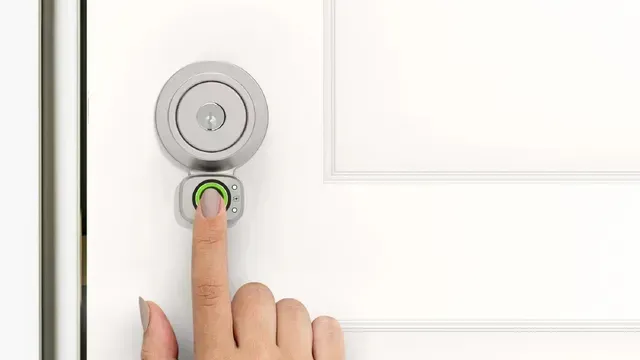
Fingerprint door locks are advanced security systems that use biometric technology to grant access to a door or a gate. These innovative locking mechanisms rely on the unique patterns of an individual’s fingerprint to authenticate their identity, providing a secure and keyless entry solution. With a simple touch of a finger, authorized users can effortlessly unlock a door, eliminating the need for traditional keys or codes. Fingerprint door locks are increasingly popular for residential and commercial applications, offering a combination of convenience, enhanced security, and ease of management.
Read a complete guide about how to open multiple locks with single key!
Benefits Of Fingerprint Door Locks
Fingerprint door locks offer several advantages over traditional key-based and password-protected locks. Some of the benefits include:
Enhanced Security
Fingerprint door locks rely on unique biometric data, making them more difficult to bypass than traditional locks. This reduces the risk of unauthorized access to your property.
Keyless Entry
With a fingerprint door lock, there’s no need to carry keys or remember passwords. This eliminates the possibility of losing keys or forgetting passwords, which can compromise security.
Convenience
A fingerprint door lock provides quick and easy access to your property. Simply place your finger on the scanner, and the door unlocks.
User Management
Many fingerprint door locks allow you to manage multiple users, granting or revoking access as needed. This feature is particularly useful for businesses or households with multiple occupants.
Access Logs
Some fingerprint locks maintain a record of entry and exit events, providing an additional layer of security and accountability.
Are Fingerprint Door Locks Reliable?
Fingerprint door locks have come a long way in terms of reliability and accuracy. Modern fingerprint door locks use advanced algorithms and sensors to minimize false rejections and acceptances. However, like any technology, fingerprint door locks may not be 100% reliable. Factors such as dirt or moisture on the scanner, changes in a user’s fingerprint due to injury, or software glitches can impact the reliability of the system.
Pros And Cons Of Fingerprint Door Locks
Pros
- Enhanced security compared to traditional locks
- Keyless entry for added convenience
- Easy user management
- Access logs provide increased accountability
- Modern fingerprint locks offer improved reliability and accuracy
Cons
- Can be more expensive than traditional locks
- Vulnerable to hacking, though less likely than traditional locks
- May not be 100% reliable due to environmental factors or changes in fingerprints
- Requires a power source, which may be a concern during power outages
- May have compatibility issues with some doors or existing security systems
Best Fingerprint Door Lock Choices
Ultraloq UL3 BT (2nd Gen)
The Ultraloq UL3 BT (2nd Gen) stands out as one of the best fingerprint door locks in 2023 due to its comprehensive features, advanced technology, and user-friendly design. Let's delve into each aspect in detail:
- Real Keyless Entry: The Ultraloq UL3 BT (2nd Gen) offers true keyless entry, allowing users to access their homes or properties without the need for physical keys. This feature not only enhances convenience but also eliminates the risk of lost or stolen keys.
- Multiple Unlocking Methods: This smart lock supports multiple unlocking methods, including fingerprint recognition, code input, smartphone access via Bluetooth, and traditional mechanical keys. Such versatility ensures that users have various options for accessing their premises, catering to different preferences and scenarios.
- Remote Access and Monitoring: With the optional Bridge upgrade, users can remotely control access to their doors and monitor all activity from anywhere using a smartphone or web browser. This feature provides added security and peace of mind, especially when away from home.
- Easy Installation and Setup: The Ultraloq UL3 BT (2nd Gen) is designed for easy installation, with a straightforward setup process that can be completed without professional assistance. This ensures hassle-free integration into existing door systems, making it accessible to a wide range of users.
- Advanced Security Features: In addition to fingerprint recognition, this smart lock incorporates advanced security features such as anti-peep keypad technology, which allows users to enter a random set of numbers before or after the actual passcode to prevent unauthorized access.
- Long Battery Life: The Ultraloq UL3 BT (2nd Gen) is equipped with long-lasting batteries, ensuring reliable operation without frequent replacements. This is crucial for maintaining security and functionality, especially in high-traffic areas.
- Durable and Weatherproof Design: Constructed from high-quality materials, this smart lock is built to withstand various environmental conditions, including rain, humidity, and extreme temperatures. Its durable and weatherproof design ensures long-term reliability and performance.
- Modern Aesthetics: With its sleek and modern design, the Ultraloq UL3 BT (2nd Gen) enhances the aesthetic appeal of any door, blending seamlessly with different architectural styles and interior décors.
Sifely X Smart Lock
The Sifely X Smart Lock offers a comprehensive and innovative solution for secure access control, making it a top choice among fingerprint door locks in 2023. Let's explore its features and why it's considered one of the best options:
- Six Unlocking Methods: One of the standout features of the Sifely X Smart Lock is its versatility in unlocking methods. Users can access their property through:
- Fingerprint sensor: Utilizing an ergonomic fingerprint sensor for quick and secure entry.
- Custom passcode: Inputting a personalized passcode for added security.
- Key card fob: Using a key card fob for convenient access without the need for physical keys.
- Wireless key fob: Employing a wireless key fob for effortless unlocking.
- Backup physical keys: Providing traditional keys as a fail-safe option in case of emergencies.
- Full app control: Managing access and monitoring activity through a dedicated smartphone app, offering remote control and monitoring capabilities.
- Auto-Lock Functionality: The Sifely X Smart Lock features an auto-lock function, which automatically locks the door after a specified period of time. This ensures that the property remains secure even if the user forgets to lock the door manually.
- Ease of Installation: Installation of the Sifely X Smart Lock is straightforward and does not require professional assistance. With easy-to-follow instructions and minimal hardware requirements, users can set up the smart lock quickly and efficiently.
- Advanced Security Features: In addition to fingerprint recognition, the Sifely X Smart Lock incorporates advanced security features to safeguard against unauthorized access. These may include encryption protocols, anti-tamper mechanisms, and intrusion detection systems.
- Integration with Smart Home Systems: The Sifely X Smart Lock is designed to integrate seamlessly with smart home systems and platforms, allowing users to incorporate it into their existing smart home ecosystems. This enables centralized control and automation of access control functions.
- Durable Construction: Built from robust materials, the Sifely X Smart Lock is designed to withstand wear and tear, ensuring long-term durability and reliability. Its weatherproof construction also makes it suitable for use in various environmental conditions.
- User-Friendly Interface: The smart lock features an intuitive interface that is easy to use and navigate. Whether accessing the lock via fingerprint, passcode, key card, or smartphone app, users can expect a seamless and user-friendly experience.
Catchface Fingerprint Door Lock
The Catchface Fingerprint Door Lock is a technologically advanced and highly secure option in the realm of fingerprint door locks. Let's delve into its features and why it's considered among the best choices:
- 3-in-1 Keyless Entry: The Catchface Fingerprint Door Lock offers a comprehensive 3-in-1 keyless entry system, incorporating fingerprint recognition, smartphone access, and a physical key option. This versatile approach ensures accessibility for users in various scenarios and preferences.
- Fingerprint Recognition: With one-touch fingerprint access, the Catchface lock employs advanced biometric technology to accurately and swiftly identify authorized users. This feature provides a high level of security while offering convenience and ease of use.
- Smartphone Integration: Users can leverage smartphone integration to unlock the door remotely, granting access to guests or service providers even when not physically present. This feature adds a layer of convenience and flexibility to access control.
- Auto-Relocking Mechanism: The Catchface lock can automatically relock the door after a set period, enhancing security by ensuring that the door remains secured even if the user forgets to lock it manually.
- Remote Monitoring and Control: Through smartphone connectivity, users can remotely monitor access activity and control the lock's settings from anywhere. This capability provides real-time oversight and enhances security management.
- Easy Installation and Setup: The Catchface Fingerprint Door Lock is designed for straightforward installation, with clear instructions and minimal hardware requirements. Users can set it up quickly and easily without the need for professional assistance.
- Robust Security Features: In addition to fingerprint recognition, the Catchface lock may incorporate advanced security features such as encryption protocols, anti-tamper mechanisms, and intrusion detection systems. These features help prevent unauthorized access and enhance overall security.
- Stylish and Durable Design: The Catchface lock boasts a sleek and modern design that complements various door aesthetics. Constructed from durable materials, it offers long-term reliability and performance even in demanding environments.
- User-Friendly Interface: The lock features an intuitive user interface that simplifies operation and navigation. Whether using fingerprint recognition, smartphone access, or the physical key option, users can expect a seamless and user-friendly experience.
Ultraloq U-Bolt Pro
The Ultraloq U-Bolt Pro is a secure and versatile smart lock that offers 6-in-1 keyless entry. It shares features like Fingerprint ID, Anti-peep Code, Auto Unlock, Auto Lock, and smartphone control within Bluetooth range.
This lock offers several standout features:
- Fingerprint ID: Utilizes advanced biometric technology for fast and accurate fingerprint recognition, providing secure access to authorized users.
- Anti-peep Code: Allows users to enter a random set of digits before or after the actual passcode, enhancing security by preventing unauthorized access through observation.
- Auto Unlock and Auto Lock: The lock can automatically unlock when it detects an authorized user approaching and lock behind them after they enter, providing convenience and security.
- Smartphone Control: Users can control the lock remotely via smartphone, granting access to guests or service providers from anywhere. This feature adds flexibility and convenience to access control management.
- Versatile Entry Methods: In addition to fingerprint ID, the Ultraloq U-Bolt Pro supports other entry methods such as passcodes, key fobs, and mechanical keys, providing options for users with different preferences.
- Easy Installation: Designed for easy installation without the need for professional assistance, the Ultraloq U-Bolt Pro comes with detailed instructions and all necessary hardware for a hassle-free setup process.
- Durable and Weatherproof: Built from high-quality materials, this lock is durable and weatherproof, ensuring reliable performance in various environmental conditions.
- Modern Design: With its sleek and modern design, the Ultraloq U-Bolt Pro enhances the aesthetic appeal of any door, blending seamlessly with different architectural styles and interior décors.
Which one is the best?
Determining the absolute best fingerprint door lock depends on various factors including specific needs, preferences, and budget. Each of the locks mentioned—Ultraloq UL3 BT (2nd Gen), Sifely X Smart Lock, Catchface Fingerprint Door Lock, and Ultraloq U-Bolt Pro—offers unique features and benefits, making them suitable for different use cases.
For example:
- If you prioritize versatility and remote access control, the Ultraloq UL3 BT (2nd Gen) with its multiple unlocking methods and remote monitoring capabilities might be the best choice.
- If you value a wide range of access methods and ease of installation, the Sifely X Smart Lock could be the top pick due to its six unlocking methods and straightforward setup process.
- For those seeking a balance of advanced security features and stylish design, the Catchface Fingerprint Door Lock might be the preferred option with its 3-in-1 keyless entry system and sleek aesthetics.
- If you prioritize convenience and automation, the Ultraloq U-Bolt Pro's auto-unlock and auto-lock features could make it the best choice for you.
Consider your specific requirements and preferences such as security features, ease of use, integration with smart home systems, durability, and aesthetics to determine which fingerprint door lock aligns best with your needs. Additionally, reading reviews from other users and consulting with professionals can also provide valuable insights into the performance and reliability of each lock.
Conclusion
In conclusion, selecting the best fingerprint door lock depends on individual needs and preferences. Each of the options discussed—Ultraloq UL3 BT (2nd Gen), Sifely X Smart Lock, Catchface Fingerprint Door Lock, and Ultraloq U-Bolt Pro—offers unique features and benefits tailored to different use cases.
If versatility and remote access control are paramount, the Ultraloq UL3 BT (2nd Gen) stands out with its multiple unlocking methods and remote monitoring capabilities. For those valuing a wide range of access methods and ease of installation, the Sifely X Smart Lock offers six unlocking options and straightforward setup.
Alternatively, the Catchface Fingerprint Door Lock excels in security features and aesthetics, providing a 3-in-1 keyless entry system with a sleek design. On the other hand, the Ultraloq U-Bolt Pro prioritizes convenience and automation, featuring auto-unlock and auto-lock functions for seamless operation.
Ultimately, individuals should consider factors such as security features, ease of use, integration with smart home systems, durability, and aesthetics to determine the most suitable fingerprint door lock for their needs. Conducting thorough research, reading user reviews, and seeking professional advice can aid in making an informed decision.
Call Us Any Time!