Best Outdoor Security Cameras of 2024
In an era where security is paramount, outdoor cameras stand as vigilant sentinels, safeguarding homes against potential threats. As technology evolves, so do the capabilities of these guardians, offering homeowners an unparalleled level of protection and peace of mind. In this comprehensive guide, we delve into the realm of outdoor security cameras, exploring the top-rated options available in 2024.
From deterring intruders to providing real-time surveillance, outdoor cameras play a pivotal role in modern home security strategies. With a plethora of brands and models flooding the market, choosing the right outdoor camera can be a daunting task. However, armed with knowledge and insights, homeowners can make informed decisions to fortify their defenses.
In the following sections, we embark on a journey through the landscape of outdoor security cameras, examining their features, functionalities, and performance. We'll spotlight the leading contenders in the market, offering detailed insights into their strengths, weaknesses, and suitability for various home environments.
Whether you're a tech-savvy homeowner seeking the latest innovations or a security-conscious individual looking for reliable protection, this guide aims to be your trusted companion in navigating the realm of outdoor security cameras. Join us as we unravel the intricacies of these cutting-edge devices and empower you to make the best choice for your home security needs.
Read more about Locks emergency exit doors use!
Understanding Outdoor Security Cameras
Outdoor security cameras are the frontline defense in protecting homes and properties against potential threats. Designed to withstand the elements while providing round-the-clock surveillance, these cameras offer invaluable insights into activities occurring outside the premises. From deterring trespassers to capturing critical footage for investigations, outdoor cameras serve as essential tools in modern security systems.
Equipped with advanced features such as high-definition video recording, motion detection, and night vision, outdoor cameras offer homeowners unparalleled visibility and control over their surroundings. With the ability to monitor remote locations in real-time and receive instant alerts, users can stay connected to their property from anywhere, ensuring peace of mind and proactive security measures. In the following sections, we delve deeper into the key components and functionalities of outdoor security cameras, empowering users to harness the full potential of these indispensable devices.
Top Picks for Outdoor Security Cameras
- Lorex
- Nest
- Arlo
- Ring
- Wyze Cam Outdoor v2
- Blink Outdoor
Lorex
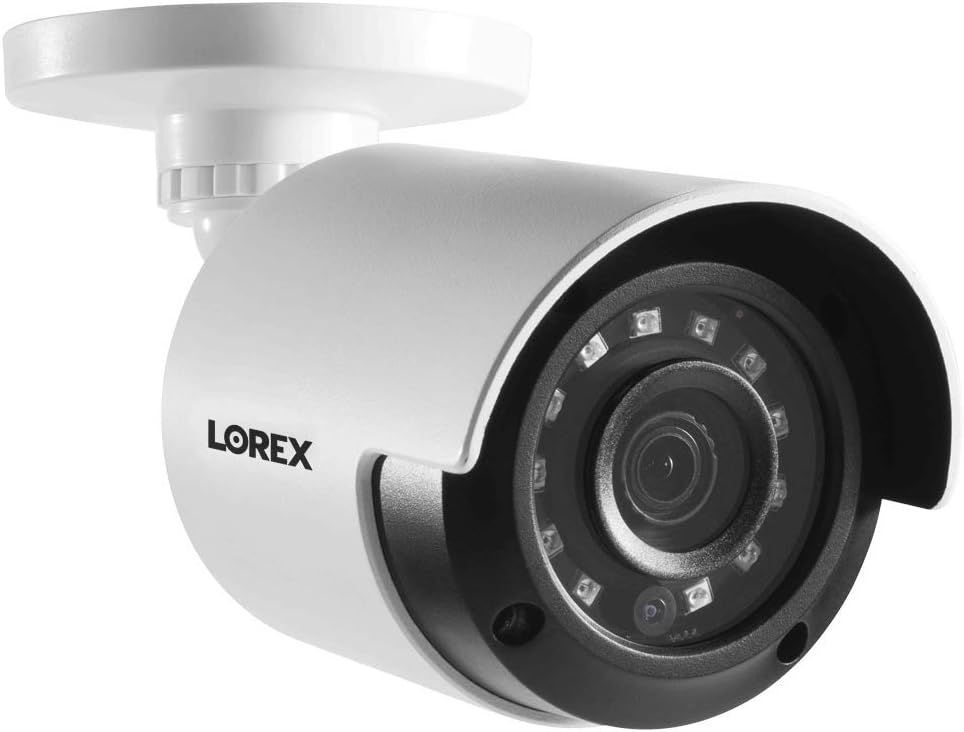
Lorex stands out as a comprehensive solution for outdoor security camera systems. Offering a wide array of packages, Lorex provides options ranging from bullet cameras commonly seen in commercial settings to dome-type cameras ideal for residential use. Notably, Lorex cameras are built to withstand harsh weather conditions, boasting waterproof and dust-tight designs.
What sets Lorex apart is its surprising integration of advanced features typically found in "smart" security cameras. With capabilities like streaming in 4K resolution, person and animal detection, and even facial recognition, Lorex cameras offer unparalleled security and convenience. Additionally, Lorex systems are remarkably affordable, making them accessible to a wide range of users.
Features
Advanced Features: Lorex cameras integrate advanced features such as streaming in 4K resolution, person and animal detection, and facial recognition, enhancing security and convenience.
Weatherproof Design: Lorex cameras are built with weatherproof housing, ensuring durability and reliability in harsh outdoor conditions.
Wide Selection: Lorex offers a wide range of outdoor camera options, including bullet and dome-type cameras, catering to diverse security needs.
Scalability: Lorex systems are highly scalable, allowing users to customize their setups according to the size and layout of their properties.
Continuous Recording: Lorex systems typically include a DVR or NVR for continuous recording, ensuring that every second of activity is captured and stored.
Pros
- Comprehensive Coverage: With a wide selection of cameras and packages, Lorex provides comprehensive coverage for outdoor security needs.
- Advanced Technology: Lorex cameras incorporate advanced features like 4K streaming and facial recognition for enhanced security.
- Weather Resistance: Lorex cameras are designed to withstand harsh weather conditions, ensuring reliable performance in any environment.
- Scalability: Lorex systems are highly scalable, allowing users to expand their setups as needed.
- Continuous Recording: Lorex systems offer continuous recording, ensuring that no activity goes unnoticed.
Cons
- Compatibility Issues: Some Lorex cameras and DVRs may not be compatible with each other, requiring users to ensure compatibility before making purchases.
- Complex Setup: Setting up Lorex systems may require some technical knowledge, especially when configuring multiple cameras and a DVR/NVR.
- Storage Limitations: While Lorex systems offer continuous recording, storage space may be limited, requiring users to manage storage capacity effectively.
Pricing and Packages:
Lorex offers a variety of pricing options and packages to suit different budgets and security needs. Pricing typically varies depending on the number of cameras included in the package, as well as any additional features or accessories. Users can choose from basic packages with a few cameras to more comprehensive setups with multiple cameras and advanced features. Additionally, Lorex often provides discounts and promotions, making their systems more affordable for users. Lorex camera cost approximately 100 dollars.
Read more about Right interior door locks for security needs!
Nest
Nest outdoor security cameras offer advanced features and reliable performance, making them a popular choice for home surveillance. Designed for easy DIY installation, these cameras provide high-quality video resolution, wireless connectivity, and seamless integration with smart platforms like Alexa and Google Home.
With options for cloud video storage, users can access and review footage remotely, enhancing security and peace of mind. While Nest cameras may require a monthly subscription for cloud storage, their user-friendly interface and robust features make them a compelling choice for homeowners looking to enhance their security systems.
Features
DIY Installation: Nest outdoor cameras are designed for easy DIY installation, with simple setup instructions and user-friendly interfaces.
High-Quality Video: Nest cameras offer high-quality video resolution, up to 1080p with HDR, ensuring clear and detailed footage.
Wireless Connectivity: Nest outdoor cameras connect wirelessly to Wi-Fi networks, providing flexibility in placement and installation.
Cloud Video Storage: Nest requires a monthly subscription for cloud video storage, offering options for 30 or 60 days of storage, along with intelligent alerts.
Smart Platform Compatibility: Nest cameras are compatible with smart platforms like Alexa and Google Home, enabling voice control and integration with other smart home devices.
Pros
- Easy Installation: Nest cameras are designed for DIY installation, making them accessible to users with varying levels of technical expertise.
- High-Quality Video: Nest cameras offer high-resolution video with HDR, ensuring clear and detailed footage, even in challenging lighting conditions.
- Wireless Connectivity: With wireless connectivity, Nest cameras provide flexibility in placement and installation, without the need for complex wiring.
- Cloud Video Storage: Nest offers convenient cloud video storage options, allowing users to access and review footage remotely from anywhere.
- Smart Platform Integration: Nest cameras seamlessly integrate with smart platforms like Alexa and Google Home, enhancing convenience and accessibility.
Cons
- Subscription Required: Nest requires a monthly subscription for cloud video storage, which may add to the overall cost of ownership.
- Limited Local Storage: Unlike some other brands, Nest cameras do not offer built-in local storage options, relying solely on cloud storage for video footage.
- Dependence on Wi-Fi: Nest cameras rely on Wi-Fi connectivity, which may be subject to interruptions or connectivity issues, affecting camera performance.
Pricing and Packages:
Nest outdoor security cameras are available for purchase individually or as part of bundled packages. Pricing varies depending on the specific model and any additional features included. In addition to the initial cost of the camera, users will need to consider the ongoing subscription cost for cloud video storage. Nest offers different subscription plans with varying levels of storage and features, allowing users to choose the option that best fits their needs and budget.
Arlo
Arlo outdoor security cameras offer a comprehensive solution for home surveillance, combining advanced features with wireless convenience. With options for both battery-powered and wired cameras, Arlo provides flexibility in installation and placement. These cameras are designed to withstand various weather conditions, ensuring reliable performance year-round.
Features
- High-resolution video quality, up to 4K HD, for crisp and clear footage.
- Wide field of view, up to 180°, to capture a broad area.
- Motion detection with customizable zones, allowing users to focus on specific areas for monitoring.
- Color night vision for enhanced visibility in low-light conditions.
- Two-way audio for communication with visitors or deterrence of intruders.
- Integration with smart platforms like Alexa and Google Home for seamless control and monitoring.
Pros:
- Wireless installation for easy setup and flexibility in placement.
- Weatherproof design ensures durability and reliability in outdoor environments.
- Advanced features such as facial recognition and custom motion zones enhance security and convenience.
- Wide range of camera options to suit different needs and budgets.
Cons:
- Some features may require a subscription to Arlo's cloud storage service for full functionality.
- Higher initial cost compared to some other outdoor camera brands.
- Battery-powered cameras may require periodic recharging, depending on usage.
Pricing:
- Arlo outdoor security cameras are available in various price ranges, starting from $189 and up, depending on the model and features.
- Subscription plans for cloud storage and additional features range from $2.99 per month to $14.99 per month, depending on the number of cameras and desired storage duration.
Ring
Ring outdoor security cameras offer a wide range of options designed to provide comprehensive surveillance for homes and properties. With features like motion detection, two-way audio, and infrared night vision, Ring cameras provide reliable monitoring and deterrence against potential intruders. These cameras are easy to install and integrate seamlessly with other Ring devices for a complete home security solution.
Features
- High-definition video resolution, up to 1080p, for clear and detailed footage.
- Wide field of view, up to 155°, to capture a broad area.
- Motion-activated LED floodlights for enhanced visibility and deterrence.
- Two-way audio with noise cancellation for clear communication with visitors.
- Infrared night vision for visibility in low-light conditions.
- Integration with smart platforms like Alexa for voice control and integration with other smart devices.
Pros:
- Easy installation with wireless options and straightforward setup.
- Weatherproof design ensures durability and reliable performance in outdoor environments.
- Wide selection of camera models and accessories to suit different needs and preferences.
- Affordable cloud storage plans for video recording and playback.
Cons:
- Some advanced features may require a subscription to Ring's cloud storage service for full functionality.
- Limited customization options for motion detection zones compared to some other brands.
- Reliance on Wi-Fi connection for operation, which may be subject to signal interference or outages.
Pricing:
- Ring outdoor security cameras are available at various price points, starting from $99 and up, depending on the model and features.
- Subscription plans for cloud storage and additional features range from $3.99 per month to $10 per month, depending on the number of cameras and desired storage duration.
Wyze Cam Outdoor v2
The Wyze Cam Outdoor v2 is a versatile and affordable outdoor security camera designed to provide reliable monitoring and surveillance for homes and businesses. With features like motion detection, two-way audio, and local video storage, the Wyze Cam Outdoor v2 offers peace of mind without breaking the bank. Its weatherproof design and long battery life make it suitable for outdoor use in various environments.
Features:
- High-definition video resolution, up to 2K HD, for clear and detailed footage.
- Wide field of view, up to 130°, to capture a broad area.
- PIR motion detection with customizable zones for accurate alerts.
- Two-way audio with built-in microphone and speaker for communication with visitors.
- Weatherproof construction with an IP65 rating for durability and reliability in outdoor conditions.
- Long battery life, up to six months on a single charge, for extended use without frequent recharging.
- Support for local video storage via microSD card, up to 32GB, for continuous recording and playback.
Pros:
- Affordable pricing makes it accessible to a wide range of users.
- Easy installation with a wire-free design and magnetic mount.
- Versatile power options, including battery, solar, and wired, for flexible installation.
- Local video storage provides additional security and privacy without monthly fees.
- Integration with smart platforms like Alexa and Google Home for voice control and automation.
Cons:
- Limited field of view compared to some other outdoor cameras.
- No built-in floodlights or infrared night vision for low-light conditions.
- Limited compatibility with third-party smart home devices and platforms.
- Mobile app interface could be more intuitive and user-friendly.
Pricing:
- The Wyze Cam Outdoor v2 is priced at $73.99 for a starter kit, which includes one camera and accessories.
- Additional cameras and accessories are available for purchase separately.
Blink Outdoor
Blink Outdoor is a reliable and affordable outdoor security camera designed to provide seamless monitoring and surveillance for your property. With features like motion detection, HD video recording, and weatherproof construction, Blink Outdoor offers peace of mind without the hassle of complicated installation or high costs. Its wire-free design and long battery life make it an excellent choice for outdoor use in various environments.
Features:
- High-definition video resolution, up to 1080p, for clear and detailed footage.
- Wide field of view, up to 143°, to capture a broad area.
- PIR motion detection with customizable zones for accurate alerts.
- Weatherproof construction with an IP65 rating for durability and reliability in outdoor conditions.
- Long battery life, up to two years with standard use, for extended monitoring without frequent battery changes.
- Two-way audio with built-in microphone and speaker for communication with visitors.
- Integration with Amazon Alexa for voice control and automation.
Pros:
- Affordable pricing makes it accessible to a wide range of users.
- Easy installation with a wire-free design and mounting hardware included.
- Long battery life eliminates the need for frequent battery changes.
- Weatherproof construction ensures reliable performance in outdoor environments.
- Integration with Amazon Alexa enables voice control and automation.
Cons:
- Limited field of view compared to some other outdoor cameras.
- No local video storage option; relies solely on cloud storage with a subscription.
- Limited compatibility with third-party smart home devices and platforms.
- No built-in floodlights or infrared night vision for low-light conditions.
Pricing:
- The Blink Outdoor camera is priced at $99.99 for a single camera kit, which includes one camera and accessories.
- Additional cameras and accessories are available for purchase separately.
- Subscription plans for cloud storage start at $3 per month for one camera with 60 days of storage.
Conclusion
In conclusion, selecting the right outdoor security camera depends on your specific needs and preferences. Each option offers unique features and benefits, catering to different requirements and budgets.
- Lorex provides a wide selection of outdoor cameras with advanced features such as 4K resolution, person detection, and facial recognition. Its affordability and scalability make it an excellent choice for comprehensive outdoor security systems.
- Nest offers high-quality outdoor cameras with seamless integration into Google's ecosystem. With features like 1080p resolution, intelligent alerts, and continuous video recording, Nest cameras provide reliable surveillance for your home.
- Arlo stands out for its wireless design and flexible power options, including battery, solar, and PoE. With features like 4K HD resolution, color night vision, and motion-activated spotlights, Arlo cameras offer comprehensive outdoor security solutions.
- Ring provides a diverse range of outdoor cameras with options for wired, battery, PoE, and solar power. Its integration with Alexa and affordable cloud storage plans make it a popular choice for smart home enthusiasts.
- Wyze Cam Outdoor v2 offers exceptional value with its affordable pricing, long battery life, and support for local video storage. While it may lack some advanced features, it provides reliable surveillance for budget-conscious consumers.
- Blink Outdoor offers a budget-friendly option with easy installation and long battery life. With features like HD video resolution, motion detection, and weatherproof construction, Blink Outdoor provides essential outdoor security without breaking the bank.
Ultimately, consider your specific requirements, budget, and preferences when choosing the best outdoor security camera for your home. Each option has its strengths and weaknesses, so weigh the pros and cons carefully before making a decision.
Call Us Any Time!