Can Smart Locks Be Integrated With Home Security Cameras?

August 26, 2025

Smart home technology has completely transformed the way we think about security. More homeowners are now upgrading from traditional locks to smart locks and pairing them with home security cameras for added convenience and safety. But how exactly do these systems work together? Is integration seamless, and is it worth the investment?

In this in-depth guide, we’ll break down how smart locks and security cameras can be integrated, the benefits, potential downsides, and when it’s best to call a professional locksmith for setup and troubleshooting.


5 Ways to Childproof Your Home Locks for Safety


How Smart Locks and Security Cameras Work Together

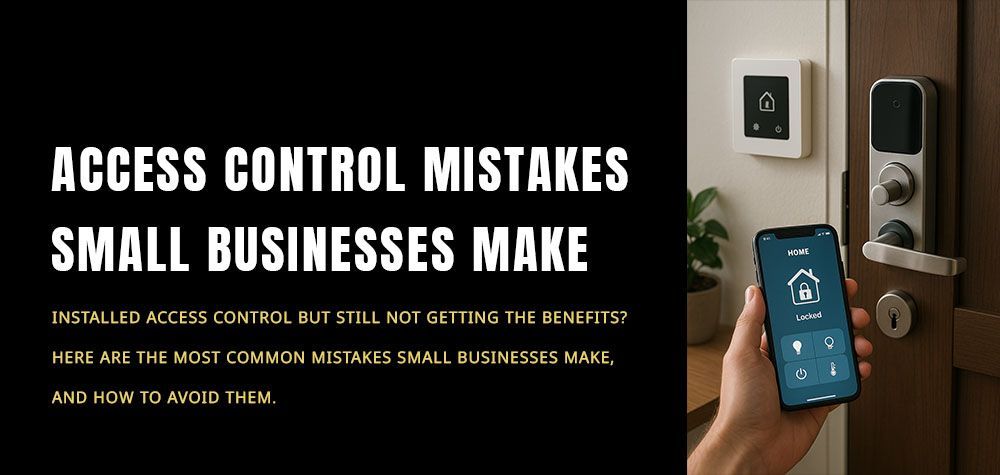
Smart locks are designed to provide keyless entry and allow you to control access to your home from anywhere using a smartphone or connected device. Home security cameras, on the other hand, let you monitor activity around your property in real time.

When integrated, these two systems create a smarter, more connected security ecosystem. Imagine being able to unlock your front door remotely while watching a live video feed of who’s standing outside. Or, picture your camera automatically recording footage the moment someone tampers with the lock.

This integration isn’t just about convenience — it enhances overall home security by combining visual verification with smart access control.


Benefits of Integrating Smart Locks with Cameras

One of the biggest advantages of integrating smart locks with security cameras is real-time monitoring. You can see exactly who is entering and leaving your home at any time.

It also improves security by sending instant alerts if someone tries to unlock your door without permission or tampers with your lock. For families who receive frequent deliveries, this setup is invaluable — you can watch your packages being dropped off and even unlock the door for a trusted courier remotely.

Additionally, remote control takes home management to another level. Whether you’re at work, traveling, or just on the couch, you can lock or unlock doors while keeping an eye on the live camera feed.


Why Commercial Panic Bars Are Required by Code


Do All Smart Locks Work With All Cameras?

Not every smart lock and security camera will integrate seamlessly. Compatibility is key when setting up a connected security system.

First, consider whether both devices work within the same app ecosystem. For example:

  • Yale locks integrate smoothly with Google Nest cameras.
  • August locks pair well with Ring systems.
  • Schlage locks often work with Amazon Alexa devices.

Second, check whether the devices use Wi-Fi, Bluetooth, or a smart hub for integration. Systems like Google Home, Amazon Alexa, and Apple HomeKit can help bridge compatibility gaps, but it’s best to confirm before purchasing any devices.


How to Integrate Smart Locks and Cameras

Integrating your smart lock with security cameras is usually straightforward:

  1. Check Compatibility – Confirm that both devices are designed to work together.
  2. Use the Manufacturer’s App – Most integrations happen through the official apps for your smart lock or camera.
  3. Sync Automation Settings – Set up triggers, such as cameras recording automatically when the lock is opened.
  4. Test Live Feeds and Alerts – Always verify that notifications and video feeds work properly.
  5. Popular integrated systems include Ring + Schlage and Nest + Yale, both of which provide seamless app-based control and monitoring.


Potential Downsides and Risks

While integration offers numerous benefits, it’s not without its challenges:

Wi-Fi Dependency: Without a stable internet connection, your integration won’t work properly.

Cybersecurity Concerns: Any connected device can be a potential target for hackers.

Higher Costs: Buying compatible smart locks, cameras, and possibly a hub can get expensive.

To minimize risks, always use strong passwords, enable two-factor authentication, and keep your devices updated with the latest security patches.


When to Call a Professional Locksmith

If you struggle with integrating your smart locks and cameras, or if your current setup feels outdated, a professional locksmith can help. At Brother Locksmith, we specialize in installing and integrating smart security systems so you can enjoy peace of mind without the frustration of DIY setup.


Final Thoughts

Smart locks and home security cameras can absolutely be integrated to create a smarter, safer home. The result is a system that offers convenience, real-time monitoring, and enhanced protection.

Before buying any devices, make sure they’re compatible and consider consulting an expert to help with installation and integration.

If you’re ready to upgrade your home security with a fully integrated system, Brother Locksmith can help you choose, install, and set up the perfect solution.

Call Us Any Time!
Call Now
April 8, 2026
Discover why lock problems often appear after home renovations, how structural changes affect alignment, and what to fix before replacing your locks.
Why Some Keys Work Better When Inserted Upside Down
By Ghulam Mustafa April 7, 2026
Learn how to fix door gaps that weaken lock security, prevent forced entry, and improve door alignment without replacing your entire lock system.
By Ghulam Mustafa April 6, 2026
Smart locks promise convenience. Keyless entry. Remote access. Control from your phone. But when it comes to security, one question still confuses many homeowners: Can you rekey a smart lock the same way you would a traditional one? Or are you stuck replacing the entire system? The answer isn’t as simple as yes or no. Because not all locks—smart or traditional—work the same way. And understanding that difference can save you time, money, and unnecessary upgrades. Start With What Rekeying Actually Means Rekeying isn’t about changing the outside of a lock. It’s about altering what happens inside. In a traditional lock, rekeying changes the internal pins so old keys no longer work. The hardware stays the same, but access is completely reset. It’s one of the most efficient ways to regain control—especially after moving into a new home or losing a key. But this process depends on one thing: A physical key mechanism. And that’s where smart locks start to differ. Why Traditional Locks Are Easy to Rekey Standard deadbolts and cylinder locks are built for it. Their internal pin systems are designed to be adjusted, reconfigured, and reset without replacing the entire lock. A locksmith can quickly change the key combination while keeping the same exterior hardware intact. This is why rekeying has always been the go-to solution for restoring security without overspending. It’s simple. Direct. Reliable. And in most cases, it’s all you need. What Makes Smart Locks Different Smart locks aren’t just locks. They’re systems. Some rely entirely on digital access—keypads, apps, or biometrics. Others combine smart features with a traditional key cylinder. That distinction matters. Because you can’t “rekey” something that doesn’t use a physical key in the first place. Instead of pins and tumblers, fully digital locks rely on codes, permissions, and software-based control. So the way you reset access changes completely. Can Smart Locks Be Rekeyed? It Depends on the Type If your smart lock includes a physical key override, then yes—part of it can be rekeyed. The mechanical cylinder inside can be adjusted just like a traditional lock. A locksmith can change the key access without affecting the smart features. But if your smart lock is fully keyless, there’s nothing to rekey. In those cases, security is managed digitally. You simply delete old codes, reset access permissions, or perform a factory reset. No hardware changes required. Just a different kind of control. Why Digital Resetting Replaces Rekeying in Smart Systems With traditional locks, control comes from keys. With smart locks, control comes from access management. Instead of worrying about who has a physical copy, you manage: Who has a code When they can enter How long their access lasts If someone no longer needs entry, you don’t rekey. You remove them. That shift is what makes smart locks powerful—but also why people misunderstand how to secure them properly. When Rekeying Still Matters in a Smart Lock Setup Even if you use a smart lock, the physical key backup shouldn’t be ignored. That override exists for a reason. Power failures. Technical glitches. Dead batteries. In those moments, the mechanical key becomes your fallback. If that key has been copied, lost, or shared in the past, rekeying the cylinder is still essential. Because digital security means nothing if the physical backup is compromised. Should You Rekey or Replace a Smart Lock? Not every situation requires a full replacement. If your concern is access control, resetting codes or permissions is usually enough. If your concern is physical key security, rekeying the cylinder solves the problem. Replacement only becomes necessary when the lock is damaged, outdated, or no longer reliable. The mistake most people make is jumping straight to replacement—when a simple reset or rekey would have done the job. The Hidden Risk: Forgetting Old Access Points Whether it’s a traditional lock or a smart one, the real issue is often the same: Too many people have access. Old tenants. Previous owners. Contractors. Guests. With traditional locks, that risk lives in duplicated keys. With smart locks, it lives in forgotten codes and active permissions. If you don’t actively reset and review access, your lock—no matter how advanced—stops being secure. When to Call a Professional If you’re unsure whether your smart lock includes a rekeyable cylinder, or if it’s not functioning properly, it’s worth getting expert input. A locksmith can assess your setup, identify whether rekeying is possible, and ensure both your digital and physical security layers are aligned. Professionals like Brothers Locksmith often handle hybrid systems, where both smart features and traditional mechanisms need to work together seamlessly. Because real security isn’t about choosing one or the other. It’s about making sure every layer does its job. Final Thoughts Rekeying isn’t outdated. It’s just evolving. Traditional locks rely on it. Smart locks replace it with digital control. And hybrid systems use both. The key is understanding what kind of lock you actually have—and how it manages access. Because security isn’t about the label on your lock. It’s about who can still get in. And whether you’ve taken the time to change that.
Why Some Keys Work Better When Inserted Upside Down
By Ghulam Mustafa April 5, 2026
Discover why keys sometimes work better upside down, what it reveals about lock wear or misalignment, and how to fix the issue before it leads to lock failure.
Can You Rekey Smart Locks or Only Traditional Ones?
By Ghulam Mustafa April 3, 2026
Learn whether smart locks can be rekeyed or only traditional ones, and how to reset access, improve security, and avoid unnecessary lock replacement.
Why Your Door Lock Feels Loose After Door Repairs
By Ghulam Mustafa March 31, 2026
Why your door lock feels loose after repairs and how to fix it. Learn the real causes and smart ways to restore security without replacing the lock.
How to Secure Older Homes Without Replacing Every Lock
By Ghulam Mustafa March 30, 2026
How to secure an older home without replacing every lock? Discover smart, cost-effective ways to upgrade home security while preserving existing hardware.
Why Keyless Entry Pads Stop Responding
By Ghulam Mustafa March 30, 2026
Why do keyless entry pads stop responding? Learn the common causes, quick fixes, and when to call a locksmith to restore your smart lock system.
More Posts