Can You Change Locks Without Changing Door Hardware?
You come home after a long day, slide your key into the lock, and suddenly wonder something important.
Who else might still have a key to this door?
Maybe you just moved into a new house. Maybe a roommate moved out. Maybe an old key disappeared somewhere between your car seat and the grocery store parking lot.
The first instinct many people have is simple: change the locks.
But then another question pops up.
Do you have to replace the entire lock and door hardware… or can the lock be changed without touching the handle, knob, or other hardware?
The short answer is yes. In many cases, you can change the lock itself without replacing the rest of the door hardware.
But like most things with door locks, the real answer depends on how your lock system works.
Let’s break it down in plain language so you know exactly what your options are.
How to Secure Sliding Doors Without Replacing the Lock
The Difference Between a Lock and Door Hardware
A lot of homeowners assume the lock and door hardware are the same thing. In reality, they are two separate components.
Door hardware refers to the visible parts of the door such as the handle, knob, lever, or decorative plate. These parts help you open and close the door but they are not always the part that actually controls security.
The lock is the internal mechanism that interacts with the key. Inside that mechanism are tiny pins that match the specific cuts on your key.
When the correct key is inserted, those pins align perfectly and allow the cylinder to turn.
That cylinder is the part that can often be changed or adjusted without replacing the entire hardware set.
This is why locksmiths can update your lock security without removing everything attached to your door.
The Most Common Solution: Rekeying the Lock
In many situations, changing locks does not mean installing new hardware. Instead, locksmiths perform something called rekeying.
Rekeying means the internal pins inside the lock cylinder are rearranged so the old key no longer works. A new key is then created to match the updated configuration.
From the outside, nothing looks different. Your door handle, knob, and lock hardware remain exactly the same.
But the old keys instantly become useless.
For homeowners, this is usually the fastest and most affordable solution.
It is especially common after moving into a new home because there is no way to know how many duplicate keys might still exist.
When You Can Replace Only the Lock Cylinder
Some lock systems allow the cylinder itself to be removed and replaced while keeping the rest of the hardware intact.
This is common with many modern deadbolts and commercial lock systems.
Instead of replacing the entire lock assembly, a locksmith can remove the old cylinder and install a new one that works with a completely different key.
Think of it like replacing the engine inside a car while keeping the same exterior body.
Your door looks exactly the same, but the internal locking system is brand new.
This approach is often used in offices, apartment buildings, and rental properties where security needs to be updated regularly.
Situations Where Rekeying Makes the Most Sense
Rekeying is usually the best option when the lock hardware itself is still in good condition.
For example, if your locks work smoothly and show no signs of damage, replacing them entirely may be unnecessary.
Many homeowners choose rekeying in situations like moving into a new house, ending a lease with roommates, or after losing a key.
It is also useful when homeowners want multiple doors to work with the same key.
A locksmith can adjust several locks so they all respond to one master key, which makes life much simpler than carrying a large key ring.
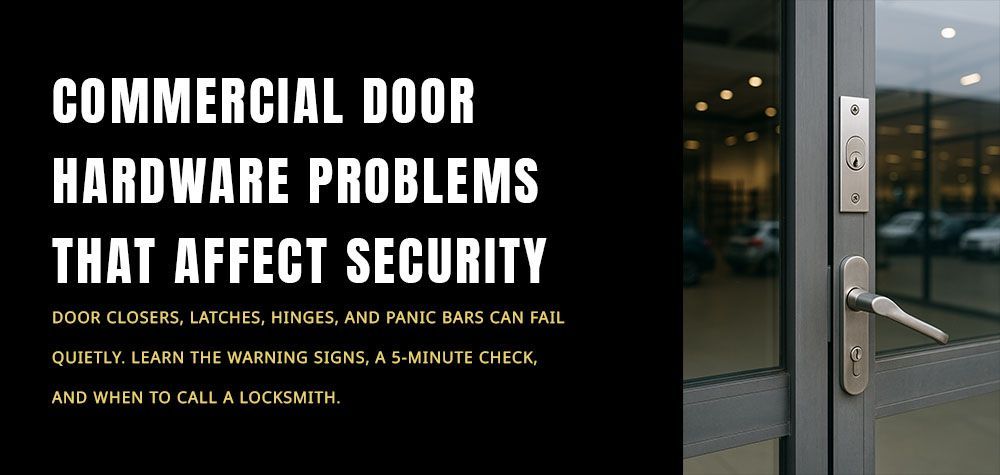
How Door Hinges Impact Lock Alignment and Security
When Changing the Entire Lock Is the Better Choice
While rekeying solves many security concerns, there are times when replacing the full lock hardware is the smarter move.
If the lock is old, worn out, or frequently sticking, the internal mechanism may already be failing. In those cases, rekeying will not solve the underlying problem.
Similarly, if the hardware is outdated or offers poor security, upgrading the lock entirely can provide stronger protection.
For example, some older locks lack modern anti pick features or bump resistance that newer lock designs include.
Homeowners may also choose a full replacement when upgrading to smart locks or keypad entry systems.
In those situations, the entire hardware system must be replaced to support the new technology.
Can You Change a Deadbolt Without Changing the Handle?
Yes, and this is actually one of the most common upgrades homeowners make.
Many front doors have two separate components. A deadbolt at the top and a handle or knob below it.
Because they are separate systems, the deadbolt can be replaced without touching the handle hardware.
This means you can upgrade the security of the deadbolt while keeping the same door handle design.
This is helpful for homeowners who want better protection but still want their door hardware to match the rest of the house.
What Happens If the Lock Brand Is Different?
Another question homeowners often ask is whether a lock cylinder can be changed if the replacement part is from a different brand.
The answer depends on the lock design.
Some lock brands use universal cylinder sizes, which means they can be swapped easily. Others use proprietary designs that only work with specific components from the same manufacturer.
A professional locksmith can quickly determine whether your existing hardware supports cylinder replacement or if a new lock would be required.
Why DIY Lock Changes Often Go Wrong
Changing a lock may look simple in online tutorials, but there are many small details that can cause problems if done incorrectly.
Misaligned cylinders, incorrectly sized components, or improperly installed strike plates can make a door difficult to lock or unlock.
In some cases, DIY attempts actually weaken the door's security because the lock is not installed tightly enough within the frame.
A locksmith has the tools to remove cylinders, adjust lock alignment, and ensure the internal pins function correctly with the new key.
This prevents the frustrating situation where a lock technically works but feels rough, stiff, or unreliable.
How a Locksmith Changes Your Locks Without Replacing Hardware
When a locksmith arrives to change a lock without replacing the door hardware, the process usually takes only a few minutes.
First, the cylinder is removed from the lock assembly. The locksmith then disassembles the cylinder and replaces the internal pins that correspond to the key cuts.
Once the new pin configuration is installed, a brand new key is created to match it.
After reassembling the cylinder and reinstalling it into the lock, the old keys will no longer work.
The entire process happens without replacing the visible door hardware, leaving your door looking exactly the same.
The Smart Way to Secure Your Home
Changing locks does not always require replacing the entire door hardware system. In many situations, rekeying or replacing the lock cylinder is enough to restore full security.
This approach saves time, reduces costs, and avoids unnecessary changes to your existing door design.
However, the right solution depends on the condition of your lock, the level of security you want, and whether the hardware supports cylinder replacement.
If you are unsure which option is best, a professional inspection can quickly determine the most efficient way to secure your doors.
Experienced technicians at Brothers Locksmith can evaluate your current locks, rekey them if needed, or recommend upgrades that improve both safety and convenience.
Final Thoughts
Yes, you can change locks without changing door hardware, and in many cases it is the smartest approach.
Rekeying or replacing the cylinder gives you complete control over who has access to your home while keeping your existing door hardware intact.
It is a small change that delivers a huge improvement in peace of mind.
And sometimes, peace of mind is the most valuable upgrade a door can offer.
Call Us Any Time!