Can You Rekey Smart Locks or Only Traditional Ones?
Smart locks promise convenience.
Keyless entry. Remote access. Control from your phone.
But when it comes to security, one question still confuses many homeowners:
Can you rekey a smart lock the same way you would a traditional one?
Or are you stuck replacing the entire system?
The answer isn’t as simple as yes or no.
Because not all locks—smart or traditional—work the same way.
And understanding that difference can save you time, money, and unnecessary upgrades.
Start With What Rekeying Actually Means
Rekeying isn’t about changing the outside of a lock.
It’s about altering what happens inside.
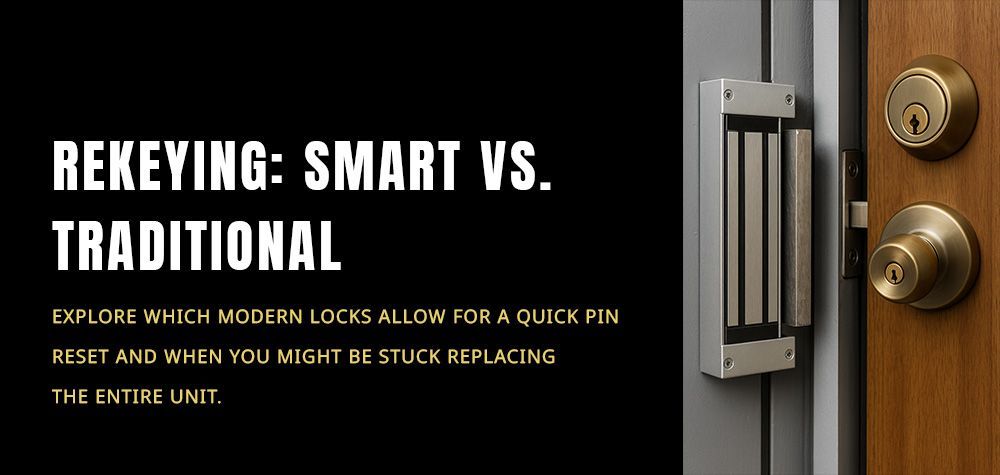
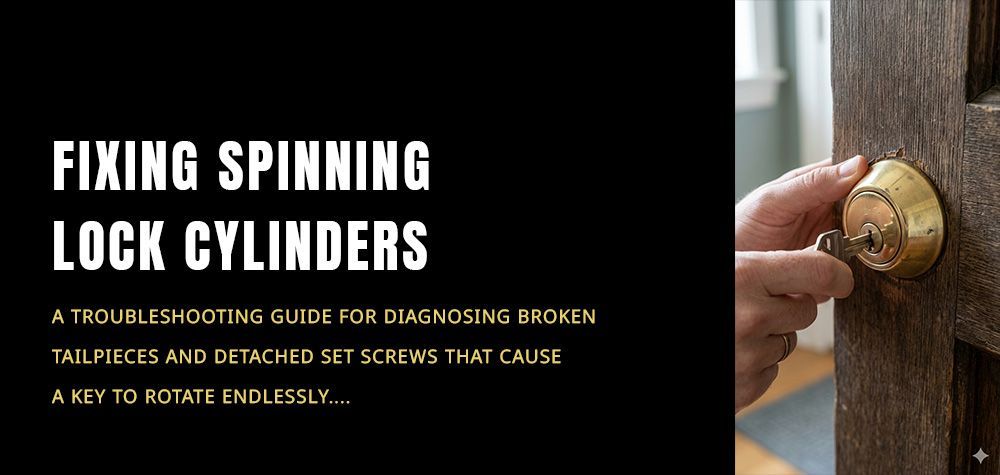
In a traditional lock, rekeying changes the internal pins so old keys no longer work. The hardware stays the same, but access is completely reset.
It’s one of the most efficient ways to regain control—especially after moving into a new home or losing a key.
But this process depends on one thing:
A physical key mechanism.
And that’s where smart locks start to differ.
Why Traditional Locks Are Easy to Rekey
Standard deadbolts and cylinder locks are built for it.
Their internal pin systems are designed to be adjusted, reconfigured, and reset without replacing the entire lock.
A locksmith can quickly change the key combination while keeping the same exterior hardware intact.
This is why rekeying has always been the go-to solution for restoring security without overspending.
It’s simple. Direct. Reliable.
And in most cases, it’s all you need.
What Makes Smart Locks Different
Smart locks aren’t just locks.
They’re systems.
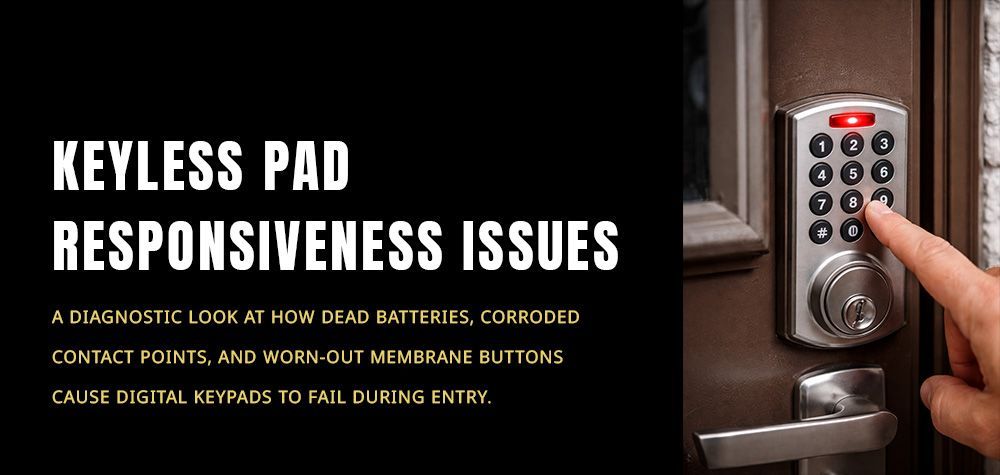
Some rely entirely on digital access—keypads, apps, or biometrics. Others combine smart features with a traditional key cylinder.
That distinction matters.
Because you can’t “rekey” something that doesn’t use a physical key in the first place.
Instead of pins and tumblers, fully digital locks rely on codes, permissions, and software-based control.
So the way you reset access changes completely.
Can Smart Locks Be Rekeyed? It Depends on the Type
If your smart lock includes a physical key override, then yes—part of it can be rekeyed.
The mechanical cylinder inside can be adjusted just like a traditional lock. A locksmith can change the key access without affecting the smart features.
But if your smart lock is fully keyless, there’s nothing to rekey.
In those cases, security is managed digitally. You simply delete old codes, reset access permissions, or perform a factory reset.
No hardware changes required.
Just a different kind of control.
Why Digital Resetting Replaces Rekeying in Smart Systems
With traditional locks, control comes from keys.
With smart locks, control comes from access management.
Instead of worrying about who has a physical copy, you manage:
Who has a code
When they can enter
How long their access lasts
If someone no longer needs entry, you don’t rekey.
You remove them.
That shift is what makes smart locks powerful—but also why people misunderstand how to secure them properly.
When Rekeying Still Matters in a Smart Lock Setup
Even if you use a smart lock, the physical key backup shouldn’t be ignored.
That override exists for a reason.
Power failures. Technical glitches. Dead batteries.
In those moments, the mechanical key becomes your fallback.
If that key has been copied, lost, or shared in the past, rekeying the cylinder is still essential.
Because digital security means nothing if the physical backup is compromised.
Should You Rekey or Replace a Smart Lock?
Not every situation requires a full replacement.
If your concern is access control, resetting codes or permissions is usually enough.
If your concern is physical key security, rekeying the cylinder solves the problem.
Replacement only becomes necessary when the lock is damaged, outdated, or no longer reliable.
The mistake most people make is jumping straight to replacement—when a simple reset or rekey would have done the job.
The Hidden Risk: Forgetting Old Access Points
Whether it’s a traditional lock or a smart one, the real issue is often the same:
Too many people have access.
Old tenants. Previous owners. Contractors. Guests.
With traditional locks, that risk lives in duplicated keys.
With smart locks, it lives in forgotten codes and active permissions.
If you don’t actively reset and review access, your lock—no matter how advanced—stops being secure.
When to Call a Professional
If you’re unsure whether your smart lock includes a rekeyable cylinder, or if it’s not functioning properly, it’s worth getting expert input.
A locksmith can assess your setup, identify whether rekeying is possible, and ensure both your digital and physical security layers are aligned.
Professionals like Brothers Locksmith often handle hybrid systems, where both smart features and traditional mechanisms need to work together seamlessly.
Because real security isn’t about choosing one or the other.
It’s about making sure every layer does its job.
Final Thoughts
Rekeying isn’t outdated.
It’s just evolving.
Traditional locks rely on it.
Smart locks replace it with digital control.
And hybrid systems use both.
The key is understanding what kind of lock you actually have—and how it manages access.
Because security isn’t about the label on your lock.
It’s about who can still get in.
And whether you’ve taken the time to change that.
Call Us Any Time!