Do I Need Lock Repair Or A Whole New Lock?

May 18, 2020

Do I Need Lock Repair, or a Whole New Lock?

As a homeowner, you should always be aware of the condition of your home’s locks. During daily use, be sure to look for signs of wear and tear, along with  potential issues that could lead to malfunction or easy break-ins. As a general rule, it is also a good idea to have a professional check your locks once a year,  making sure that everything is in working order and suggesting repairs and replacements when necessary. 


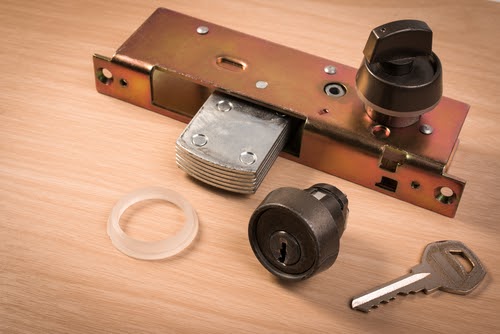
There is a significant difference between repairing and replacing a door lock. While repairs typically involve fixing or replacing pins and springs within the lock cylinder, replacing a lock entirely will require the removal of the old hardware and installation of entirely new hardware. 
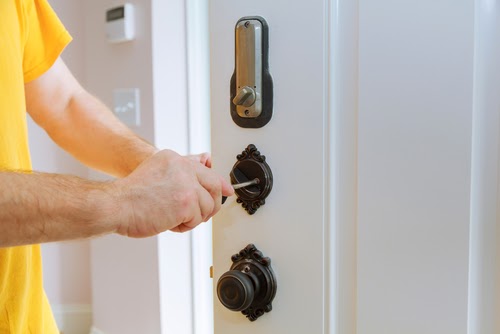
What are the signs that a lock needs to be repaired?

As you enter and exit your home each day, pay attention to how your lock functions. There are some telltale signs that a lock should be repaired, including: 

  • Difficulty turning the key – If turning your key in the lock requires more force than it used to, your lock could be getting old and might be in need of repair. 
  • The key gets stuck frequently – Has your key ever become stuck in the lock? Even if you’re able to remove it successfully, this is a common sign that you need to repair the lock before the key gets stuck and you can’t remove it. 
  • Frozen parts – Over time, it is possible for parts of the locking mechanism to become frozen and not move, even when the key is in the lock. 


There are other signs that you need to have your locks repaired, such as if they’ve become damaged by inclement weather,  if you’ve lost your key or had it stolen. In some cases, it is more cost-effective to have a professional rekey the lock (which entails replacing the pins and springs with new ones that work with a new key) instead of replacing your locks entirely.

What are the signs that a lock should be replaced?

While it is a good idea to replace your locks every few years to protect yourself, your family, and your belongings, there are certain circumstances in which it is essential to replace your locks right away. Signs that you need a new lock include:

  • You’ve been a victim of a break-in – This is one of the clearest signs that you need to install new locks on your doors. You may want to upgrade your lock system or simply replace the locks out of an abundance of caution.
  • Your locks have been damaged beyond repair – Sometimes it’s impossible or unwise to repair a lock. Burglars will often damage locks when breaking in, or sometimes a lock will be damaged on accident. 
  • Your lock has become rusted and weathered – For locks that are exposed to the elements, rust and other damage is a notable concern. Rust inside a lock could prevent the teeth of the key from sliding under the tumblers and pushing them up. If your lock shows signs of rust or other weather damage, consider scheduling a replacement.
  • Your lock is old – Over time, particularly for locks that experience frequent use, your lock could become worn and less effective at letting you in and keeping others out. There also may be multiple sets of keys floating around (friends, neighbors, former roommates, and other residents), and you might wish to take control of your home back by replacing your locks entirely rather than having them rekeyed. 


Call Us Any Time!

Call Now
By Ghulam Mustafa July 18, 2026
Discover how long residential locks typically last and what affects their lifespan. Learn the signs of lock wear, when to repair or replace your lock, and how proper maintenance can extend its life.
Why Some Locks Become Difficult to Use After Renovations
By Ghulam Mustafa July 15, 2026
Learn why some locks become difficult to use after renovations. Discover how door alignment, new flooring, trim installation, paint, and structural changes can affect lock performance and how to fix the problem.
How to Prevent Lock Wear in High-Traffic Homes
By Ghulam Mustafa July 14, 2026
Learn how to prevent lock wear in high traffic homes with simple maintenance tips. Discover how proper cleaning, lubrication, door alignment, and early repairs can extend your lock's lifespan and improve security.
What Causes Internal Lock Corrosion?
By Ghulam Mustafa July 11, 2026
Learn what causes internal lock corrosion, including moisture, humidity, dirt, salt exposure, and poor maintenance. Discover the warning signs, prevention tips, and when to repair or replace a corroded lock.
Why Does My Key Need Extra Force to Turn?
By Ghulam Mustafa July 8, 2026
Why does your key need extra force to turn? Learn the common causes, including lock wear, door misalignment, dirt buildup, worn keys, and weather changes, plus how to fix the problem before it gets worse.
Can a Locksmith Repair a Lock Instead of Replacing It?
By Ghulam Mustafa July 6, 2026
Can a locksmith repair a lock instead of replacing it? Learn when lock repair is possible, what issues can be fixed, when replacement is necessary, and how to choose the most cost effective solution.
Why Your Door Lock Keeps Catching on the Strike Plate
By Ghulam Mustafa July 4, 2026
Why does your door lock keep catching on the strike plate? Learn how door misalignment, loose hinges, weather changes, and strike plate issues can affect your lock and how to fix the problem.
How to Tell If a Lock Problem Is Mechanical or Structural
By Ghulam Mustafa July 3, 2026
Is your lock problem mechanical or structural? Learn how to identify the difference between internal lock issues and door alignment problems, plus the signs that help you find the right solution.
More Posts