How to Choose the Right Smart Lock for Multi-Tenant Properties
In multi-tenant properties—like apartment complexes, rental units, or co-working spaces—security isn’t just about keeping doors locked. It’s about managing access efficiently, ensuring tenant privacy, and maintaining system reliability. As smart locks become the go-to solution for property owners, choosing the right one requires a balance between convenience, control, and cost. Let’s explore how to select the ideal smart lock system that fits the complex needs of multi-tenant living.
Can a locksmith break a smart lock without destroying it?
Understanding the Security Needs of Multi-Tenant Properties
Before investing in smart locks, property managers should analyze the specific requirements of their building. A single-family home and a 20-unit apartment complex have entirely different access control challenges. You’ll need to consider:
- Shared vs. private entry points: Do you have communal areas like gyms, parking, or laundry rooms that require restricted access?
- Tenant turnover: How often do tenants move in and out? Smart locks with easy reprogramming save you time and money on rekeying.
- Integration with management systems: A good lock should connect seamlessly with your property management software, especially for digital key sharing or remote access control.
Identifying these needs helps narrow down which smart locks offer the right level of flexibility and control.
Key Features to Look For
When comparing smart locks for multi-tenant setups, prioritize features that improve both security and management efficiency.
1. Remote Management and Access Control
Look for locks that allow property managers to grant or revoke access remotely. This eliminates the hassle of physical keys and provides immediate control when tenants move out or new ones arrive.
2. Audit Trails and Activity Logs
Some smart locks record entry and exit activity, allowing you to monitor who accessed specific areas and when. This feature is particularly useful for shared facilities or security-sensitive environments.
3. Multi-User Compatibility
Choose a system that supports multiple user profiles. This allows tenants, maintenance staff, and cleaners to have unique codes or mobile keys without compromising each other’s access.
4. Integration with Smart Home Ecosystems
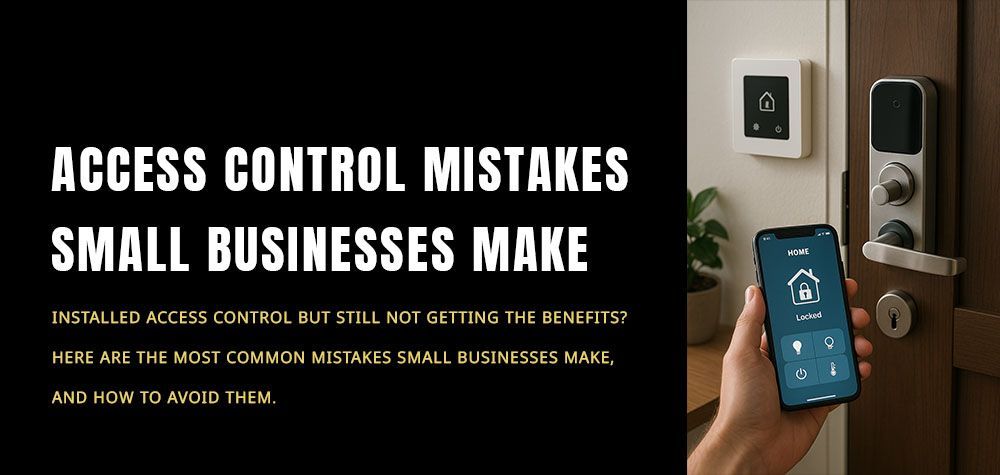
A lock that integrates with smart home systems (like Alexa, Google Home, or property management software) can automate security routines and make tenant living more convenient.
5. Backup Access Options
Power or network outages can cause temporary access issues. Select smart locks that include mechanical key overrides or battery backup options to prevent lockouts.
Balancing Security and Convenience
While tenants expect convenience, property owners must prioritize security. High-quality smart locks should have strong encryption, tamper alerts, and automatic relocking features. However, avoid overcomplicating things—systems that are too complex can frustrate tenants or cause operational challenges.
A well-balanced system ensures that both the landlord and the tenants feel safe and empowered. For instance, keypad entry locks can be an excellent middle ground—they’re easy to manage while still offering digital flexibility.
Choosing Between Standalone and Networked Systems
Smart locks for multi-tenant properties generally come in two main types: standalone and networked systems.
Standalone Systems:
These locks work independently without a central control hub. They’re ideal for smaller buildings or properties with fewer tenants. Management involves manually changing codes or keys on-site.
Networked Systems:
Larger properties benefit from networked systems that connect to a central management dashboard. They allow you to control all locks remotely, assign digital keys instantly, and monitor system health in real-time.
The choice depends on the scale of your property and how much automation you need in daily operations.
The Importance of Scalability
If you’re managing a growing property portfolio, scalability is key. Choose smart locks that can integrate with future upgrades, such as biometric verification, video intercoms, or centralized cloud access management. Investing in scalable technology ensures that you won’t have to replace your entire system as your needs evolve.
Why some smart locks lose Wi-Fi connection and how to fix it
Maintenance and Long-Term Reliability
Smart locks require regular updates and occasional maintenance. Ensure that your chosen brand offers dependable customer support, firmware updates, and compatible replacement parts. A reliable locksmith, like Brothers Locksmith, can provide routine inspections, reprogram locks when needed, and ensure optimal performance over time.
Regular maintenance not only extends the lock’s lifespan but also prevents costly issues such as connection failures or malfunctioning keypads.
Working With Professional Locksmiths
Even with DIY-friendly smart locks, installation and configuration can get tricky in multi-tenant settings. Professional locksmiths can help you:
- Install locks securely without damaging doors
- Configure access permissions for multiple users
- Integrate locks with existing systems
- Ensure compliance with local security regulations
Experts like Brothers Locksmith also assist in emergency access recovery, reprogramming locks after tenant changes, and maintaining digital records for accountability.
Final Thoughts
Choosing the right smart lock for a multi-tenant property isn’t just about picking the most high-tech option. It’s about finding the perfect balance between security, control, convenience, and scalability. Whether you manage a small apartment building or a sprawling complex, the right system can save you time, enhance tenant satisfaction, and strengthen your property’s security infrastructure.
Partnering with a trusted locksmith ensures your investment pays off — keeping your tenants safe and your operations smooth, one lock at a time.
Call Us Any Time!