Is It Legal to Use a Slim Jim? What Car Owners Should Know
You’ve locked your keys inside your car. Panic kicks in. You remember seeing someone on TV slide a thin piece of metal into the window—called a Slim Jim—and unlock the door in seconds. Tempting, right? But here's the real question: Is it legal to use a Slim Jim on your own car? What if someone else is using one? Is it considered theft?
In this article, we break down what a Slim Jim really is, how it works, the legal gray areas surrounding its use, and what car owners should absolutely know before ever attempting to use one. We’ll also discuss better alternatives and why contacting a professional locksmith is usually your safest—and smartest—option.
"Why Car Locks Freeze in Winter and How to Prevent It"
What Is a Slim Jim, Really?
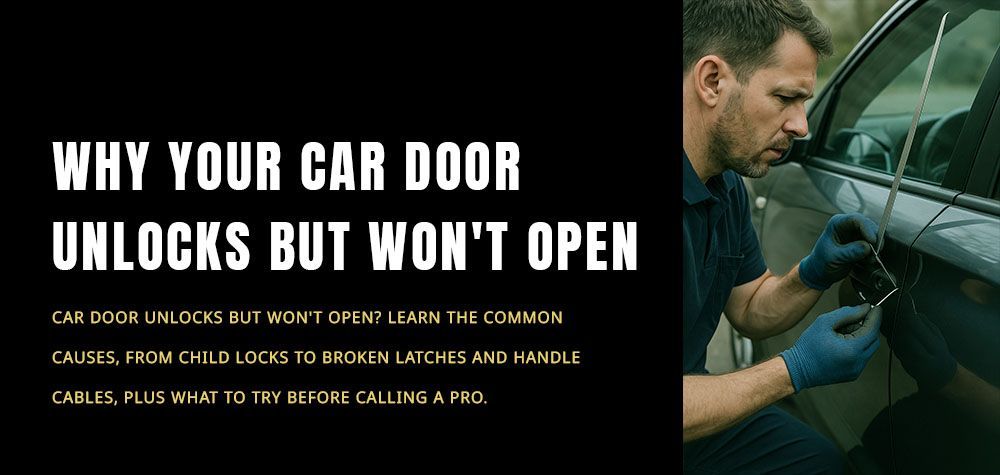
A Slim Jim is a flat, narrow strip of metal used to manipulate the internal locking mechanism of car doors. It’s not magic—it’s mechanical. When inserted between the car’s window and weather stripping, it can reach the rods that connect the lock and door handle and, with enough finesse, unlock the door without a key.
Originally designed for professionals (like law enforcement or certified locksmiths), Slim Jims have become infamous due to their portrayal in movies and their association with car theft.
The Legal Grey Area: Can You Use a Slim Jim on Your Own Car?
The simple answer? Yes, it’s legal to use a Slim Jim on your own car. There’s no law against unlocking your own property. But the keyword here is your own. The moment you try to use it on a vehicle that doesn’t belong to you—even with good intentions—you’re stepping into potentially illegal territory.
In some areas, merely possessing a Slim Jim can raise eyebrows. Law enforcement officers may interpret it as intent to commit a crime, especially if you can’t prove that you’re a locksmith, tow truck driver, or have permission to use it.
So while there’s nothing wrong with having one for emergencies, carrying it around “just in case” can lead to legal complications depending on local laws.
Risks Involved: More Than Just Legal Trouble
Even if it’s your car and totally legal to use a Slim Jim, that doesn’t mean it’s safe. In fact, Slim Jims are notoriously tricky and can easily damage your car’s internal locking mechanism, especially in newer models with electronic systems or side airbags.
You could accidentally:
- Break or bend rods
- Disable your power lock system
- Trigger the airbag deployment
- Scratch your window or paint
That’s a high price to pay for a DIY rescue. In many cases, the damage caused by improper Slim Jim use ends up costing way more than calling a professional locksmith would have.
What About Newer Cars? Does a Slim Jim Even Work?
Here’s the truth most people don’t realize: Slim Jims are virtually useless on most modern cars. Over the years, car manufacturers have added extra protection and replaced mechanical rods with electronic systems. Anti-theft mechanisms, reinforced panels, and tighter weather seals make it nearly impossible to get inside with a Slim Jim.
So if your vehicle was made after the mid-2000s, chances are high that trying to use a Slim Jim is not only ineffective—it could be a recipe for disaster.
The Professional Locksmith Approach: Why It’s the Smarter Option
Instead of wrestling with a risky tool, professional locksmiths use specialized equipment designed for modern locks. These tools are legal, safe, and tailored to your vehicle’s make and model. Plus, locksmiths are trained to unlock your car without causing damage.
Calling a locksmith doesn’t mean defeat—it means protecting your investment. And it usually takes less time than trying to YouTube your way into your own car.
Better Alternatives for Emergency Lockouts
If you’re prone to locking your keys in your car, here are some smarter, safer alternatives to a Slim Jim:
- Spare Key: Keep one in your wallet, with a trusted friend, or in a magnetic lockbox under the car.
- Remote Unlock Apps: Many modern cars come with smartphone apps that allow remote unlocking.
- Roadside Assistance Plans: Services like AAA or your insurance provider often include lockout help.
- Professional Locksmiths: They’re faster, safer, and know exactly what your car needs.
Final Thoughts: Just Because You Can, Doesn’t Mean You Should
So, is it legal to use a Slim Jim? Technically, yes—if it's your vehicle. But legality doesn't mean practicality. With the risks of damaging your car, getting mistaken for a thief, and the reality that most modern vehicles can’t be opened this way, a Slim Jim just isn’t the best tool in 2025.
Lockouts happen. It’s stressful and frustrating. But instead of jamming a piece of metal into your door, take a deep breath, weigh your options, and let a professional help. Your car—and your peace of mind—will thank you.
Call Us Any Time!