Locksmith vs. DIY: When to Call a Professional
Locks and security play a crucial role in our everyday lives. We rely on them to safeguard our homes, businesses, and possessions. Sometimes, we encounter lock-related issues or need to upgrade our security, and we face the question: Should we tackle the problem ourselves or call a professional locksmith? In this article, we’ll explore the roles of locksmiths and the pros and cons of DIY locksmithing. By the end, you’ll have a clear understanding of when it’s best to call a professional and when DIY might be sufficient.

The Role of Locksmiths
A locksmith is like a security superhero, equipped with a range of skills and expertise to ensure our safety. They are trained professionals who specialize in dealing with locks, keys, and security systems. Locksmith services cover various areas, including lock installation, key duplication, and providing assistance during lockouts. Their extensive knowledge and experience set them apart as the go-to experts when it comes to securing your property.
DIY Locksmithing: Pros and Cons
Advantages of DIY Lock-Related Tasks
- Cost-Effectiveness and Potential Money-Saving : When you encounter a minor lock issue, such as a loose doorknob or a sticky lock, taking a DIY approach can save you some bucks. Simple tasks that don’t require specialized knowledge or tools can often be resolved without professional assistance.
- Convenience and Immediate Availability for Simple Tasks : Imagine you misplace your keys or need to tighten a loose screw in a lock late at night. For minor issues like these, the DIY option is a winner. You can handle it immediately without waiting for a locksmith’s availability.
Disadvantages and Risks of DIY Locksmithing
- Lack of Specialized Knowledge and Training : Locks and security systems can be more complex than they appear. Attempting to fix or manipulate them without proper training could lead to damage, leaving your property vulnerable to security breaches.
- Potential Damage to Locks and Security Systems : Mishandling locks can lead to irreversible damage. Inadvertently breaking a key inside a lock or damaging its internal components could result in costly repairs or replacements.
- Security Concerns and Vulnerability to Break-Ins : DIY lock installations may not provide the same level of security as those done by professionals. Burglars are quick to exploit weak points, and amateur installations can create vulnerabilities.
When to Call a Professional Locksmith
Emergency Situations That Require Immediate Locksmith Assistance
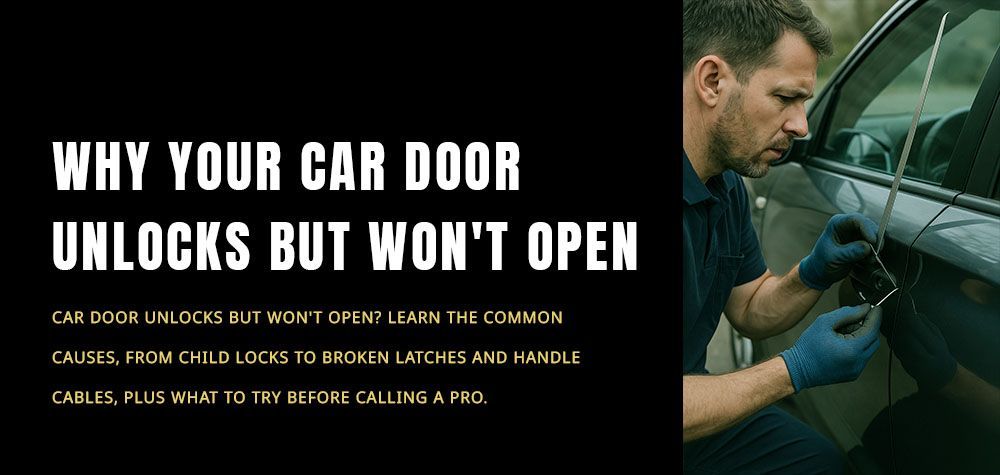
- Home or Car Lockouts : Getting locked out of your home or vehicle is not only frustrating but also potentially dangerous, especially during extreme weather conditions or late at night. A professional locksmith can swiftly come to your rescue.
- Lost or Stolen Keys : If your keys go missing, you need to act fast to protect your property. A professional locksmith can rekey or replace your locks promptly, preventing unauthorized access.
- Lock Malfunctions or Jamming : When your locks stop functioning correctly, it’s best to leave the troubleshooting to the professionals. They can diagnose the issue and provide effective solutions.
Complex Lock-Related Tasks That Demand Professional Expertise
- High-Security Lock Installations : For maximum security, high-tech locks require precise installation. Trusting a professional locksmith ensures that your high-security measures are effective.
- Electronic and Smart Lock Systems : These advanced systems demand specialized knowledge for proper installation and programming. A professional locksmith can ensure they work flawlessly.
Reasons to Prioritize Professional Locksmiths for Commercial Properties
- Enhanced Security Requirements : Businesses often have more complex security needs. Professional locksmiths can assess and provide tailored solutions to protect your assets and employees.
- Lock Maintenance and Servicing for Business Continuity : To avoid unexpected lock-related disruptions, commercial properties should schedule regular maintenance with a professional locksmith.
DIY Locksmithing Tips for Basic Tasks
Identifying Simple Tasks Suitable for DIY Attempts
When it comes to DIY locksmithing, stick to basic tasks that don’t involve complex mechanisms or high-security features. These may include fixing loose doorknobs, lubricating locks, or tightening screws.
Necessary Tools and Equipment for Basic Lock-Related Projects
Before you dive into any DIY task, ensure you have the right tools on hand. A basic toolkit should include a screwdriver set, lubricant, and pliers. More advanced projects might require additional tools.
Step-by-Step Guides for Common DIY Tasks (e.g., Changing Locks, Rekeying)
For simple DIY tasks, follow these general steps:
- Changing Locks
:
- Remove the old lock.
- Install the new lock according to the manufacturer’s instructions.
- Test the lock to ensure it functions correctly.
- Rekeying
:
- Remove the lock cylinder.
- Replace the pins inside the cylinder to fit a new key.
- Reassemble the lock and test it with the new key.
Safety Precautions and Warnings for DIY Endeavors
Always prioritize safety during DIY locksmithing:
- Wear protective gear to avoid injuries.
- If a task seems too complex, don’t hesitate to call a professional locksmith.
- Double-check your work to prevent any potential issues.
Finding and Hiring a Reputable Locksmith
Tips for Selecting a Trustworthy and Skilled Locksmith
- Checking Credentials and Certifications : Look for licensed and certified locksmiths who meet industry standards. Verify their credentials before hiring.
- Reading Customer Reviews and Testimonials : Feedback from previous customers can give you insight into a locksmith’s reputation and service quality.
Understanding Pricing Structures and Avoiding Locksmith Scams
Beware of locksmiths who offer suspiciously low prices or change the quoted price after the service is completed. Ensure you understand the pricing and any additional fees before hiring.
Seeking Recommendations from Friends, Family, or Neighbors
Personal recommendations can be invaluable when searching for a reliable locksmith. Ask those you trust for their experiences and recommendations.
When you need to hire a locksmith, it is important to find someone who is reliable, honest, and professional. You can do this by asking for personal recommendations from people you trust.
Here are some questions you can ask your friends, family, or neighbors:
- Have you ever used a locksmith in the past?
- If so, who did you use and were you happy with their service?
- What was the price of their services?
- Were they reliable and on time?
- Did they do a good job?
Once you have a few recommendations, you can start to do some research online. Check the locksmith’s website or social media pages to see if they have any reviews. You can also look for accreditations or certifications that they have earned.
In the battle of Locksmith vs. DIY, both have their roles to play. For simple tasks and immediate convenience, DIY might be a feasible option. However, when it comes to more complex tasks, emergencies, or ensuring top-notch security, professional locksmiths are the way to go. Remember, your safety and security are not areas to take lightly. If you ever find yourself in need of a reliable locksmith in Phoenix, Arizona, feel free to reach out to us at Brothers Locksmith. Stay safe, and happy securing!
Call Us Any Time!