Motion-Sensor Doorbells vs. Smart Locks — Which Prevents Break-Ins Better?
Home security has become smarter, more connected, and more visible than ever. Walk down almost any neighborhood and you’ll see glowing doorbells, cameras watching sidewalks, and app-controlled locks promising total control.
But when homeowners ask us at Brothers Locksmith what actually stops break-ins, the answer is rarely as simple as buying the newest gadget.
Motion-sensor doorbells and smart locks serve very different purposes. One watches. The other resists. Understanding that difference is the key to real security.
The Difference Between Lock Lubricants (and What NOT to Use)
What Motion-Sensor Doorbells Are Really Designed to Do
Motion-sensor doorbells are primarily awareness tools. They detect movement, capture video, and alert you in real time. Their biggest strength isn’t stopping crime—it’s documenting it.
When someone approaches your door, the camera activates. You get a notification. You might speak through the app or check footage later. In some cases, this visibility alone is enough to discourage casual opportunists.
But here’s the part marketing doesn’t emphasize:
motion-sensor doorbells don’t physically stop anyone from entering your home.
At Brothers Locksmith, we often remind homeowners that cameras work after someone decides to approach the door—not before.
Where Motion-Sensor Doorbells Fall Short
Experienced burglars understand cameras better than homeowners do. Many assume the camera won’t be monitored live, or they cover their face, act quickly, or avoid the field of view entirely.
Even when footage is clear, it doesn’t prevent the initial breach. By the time your phone buzzes, the door may already be forced open.
Motion-sensor doorbells also depend heavily on:
- Wi-Fi stability
- correct placement and angles
- lighting conditions
- app response time
If any of these fail, the “security” becomes passive rather than protective.
What Smart Locks Are Actually Built For
Smart locks are about control and resistance. They manage who can unlock your door, when, and how.
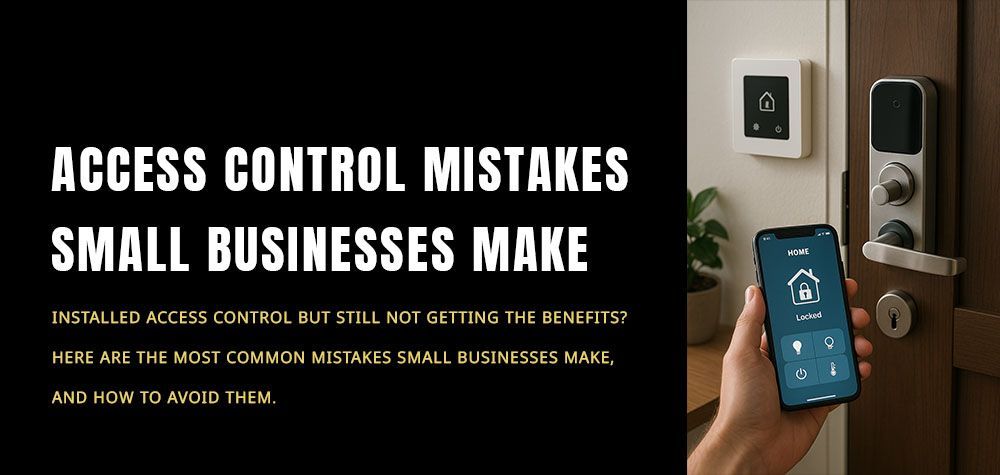
Unlike doorbells, smart locks operate at the most critical point of entry—the door itself. They can eliminate lost keys, restrict access, log usage, and automatically lock doors that are often forgotten.
From a locksmith’s perspective, smart locks don’t stop break-ins by intimidation. They stop them by making entry harder, slower, and riskier.
That delay matters more than most people realize.
The Real Strength of Smart Locks (When Installed Correctly)
A well-installed smart lock paired with a solid door, reinforced strike plate, and proper alignment adds meaningful resistance to forced entry. It increases the time, effort, and noise required to get inside.
Most burglars don’t want a challenge. They want speed and silence.
Smart locks also reduce internal risks—like copied keys, former cleaners, dog walkers, or contractors who were never meant to have permanent access.
At Brothers Locksmith, many “break-ins” we’re called for aren’t forced entries at all. They’re unauthorized unlocks using old keys.
Smart locks quietly eliminate that problem.
Where Smart Locks Can Also Fail
Smart locks aren’t magic. Poor installation, weak doors, hollow cores, or misaligned frames can make even the best smart lock ineffective.
We’ve seen high-end smart locks installed on doors that could be kicked in with minimal force. In those cases, the lock wasn’t the weak point—the door was.
Smart locks also rely on batteries, motors, and calibration. Without proper setup and maintenance, they can cause frustration or false confidence.
This is why professional assessment matters more than brand names.
Which One Actually Prevents Break-Ins Better?
From a locksmith’s standpoint, the answer is clear:
Smart locks prevent break-ins better than motion-sensor doorbells—but only when the physical door system is strong.
Cameras observe. Locks resist.
A camera might scare off a hesitant intruder. A strong lock forces a determined one to give up or move on.
Why the Best Security Uses Both (But in the Right Order)
The most effective home security setups don’t treat cameras and locks as competitors. They treat them as layers.
Smart locks handle
access control and physical resistance.
Motion-sensor doorbells provide
visibility and evidence.
But the order matters. Installing cameras without strengthening locks is like installing a dashcam on a car with faulty brakes.
At Brothers Locksmith, we always recommend securing the door first—lock, frame, strike plate, hinges—before relying on surveillance tech.
What Burglars Actually Avoid
This is an insider detail many blogs miss: burglars don’t fear being seen as much as they fear being delayed.
Noise, resistance, time, and unpredictability are bigger deterrents than cameras alone. A reinforced door with a properly installed lock creates all four.
A camera just records the attempt.
Conclusion: Visibility Doesn’t Equal Security
Motion-sensor doorbells and smart locks serve different purposes, but they are not equal when it comes to preventing break-ins.
If you had to choose one tool to actually protect your home, a strong lock system—installed correctly—will always outperform a camera watching from the sidelines.
The smartest homes don’t just look secure. They are secure at the door.
If you’re unsure whether your current setup is providing real protection or just peace of mind, a professional locksmith can assess weaknesses most homeowners never notice.
Brothers Locksmith helps homeowners move beyond gadgets and build security where it matters most—right at the point of entry.
Call Us Any Time!