The Future of Lock Technology: AI-Powered Security Systems
The world is evolving rapidly, and with it, security technology is taking significant leaps forward. Traditional lock-and-key mechanisms, while still in use, are slowly being replaced by smarter, more intuitive security systems powered by artificial intelligence (AI). AI-driven locks are redefining what it means to keep a home, business, or even a vehicle secure. But what makes AI-powered locks superior? How do they function, and what risks and challenges come with this innovation? This article delves deep into the future of lock technology and the transformative role of AI-powered security systems.
Emerging Trends in Smart Locks & Digital Security
How AI is Revolutionizing Lock Technology
Artificial intelligence is no longer confined to science fiction; it is now an integral part of daily security operations. AI-powered locks leverage machine learning algorithms, biometric authentication, and real-time monitoring to enhance security. These locks do not just unlock doors; they learn from usage patterns, detect unusual activity, and can even predict potential security threats before they occur.
For instance, smart locks integrated with AI can recognize authorized users through facial recognition, fingerprint scanning, or voice commands. Unlike traditional locks that rely on a single authentication method, AI-driven security systems employ multi-layered verification, making unauthorized access significantly more difficult.
Features of AI-Powered Security Systems
Modern AI-powered security locks come with several innovative features that redefine safety and convenience. Some of the most notable include:
1. Biometric Authentication
AI-driven locks use biometric data such as fingerprints, retina scans, or facial recognition to grant access. These biometric features are unique to each individual, ensuring a high level of security compared to traditional keys or PIN codes.
2. Machine Learning for User Behavior Analysis
These locks can learn a user’s behavior over time. If the AI detects an unusual access pattern—such as someone trying to enter at an odd hour or repeated failed attempts—it can trigger an alert or lock down the system entirely.
3. Remote Access and Control
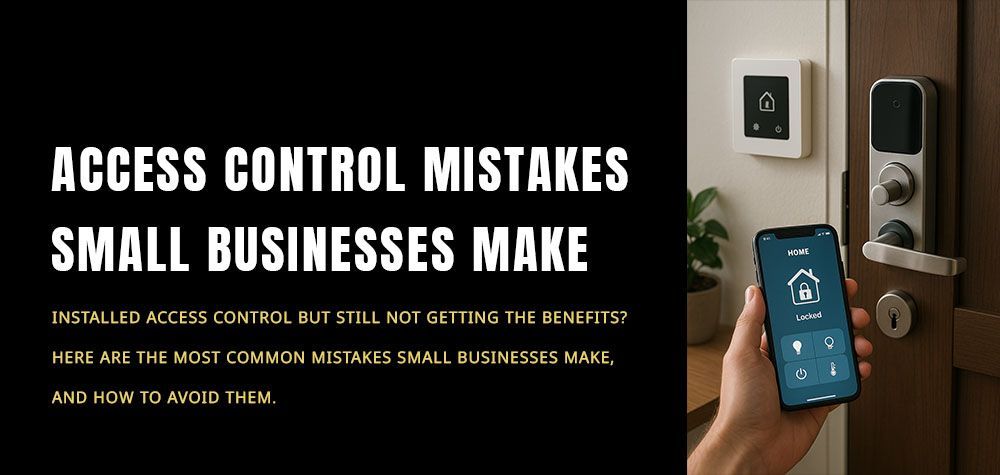
One of the most convenient features of AI-powered locks is remote access. Homeowners and business owners can lock and unlock doors from anywhere using a smartphone app. AI can also enable automated locking schedules for enhanced security.
4. Integration with Smart Home Systems
AI-powered locks are often integrated with smart home ecosystems, allowing users to control them through voice assistants like Alexa or Google Assistant. This seamless integration enhances user experience and security by synchronizing with surveillance cameras, alarm systems, and motion detectors.
5. Real-Time Alerts and Monitoring
AI-based security systems can send real-time alerts to homeowners and security personnel in case of unauthorized access attempts. They can also maintain logs of every entry and exit, providing an additional layer of monitoring and safety.
Potential Risks and Challenges of AI Locks
While AI-powered locks bring a new level of security, they are not without risks. Some potential challenges include:
1. Cybersecurity Threats
Since AI locks are connected to the internet, they are vulnerable to hacking. Cybercriminals could exploit software vulnerabilities to gain unauthorized access. This highlights the need for regular software updates and strong encryption protocols.
2. Power and Connectivity Issues
Many AI locks rely on Wi-Fi or Bluetooth connections. A power outage or internet failure could render them temporarily useless. Backup power solutions and offline authentication mechanisms are crucial to address this issue.
3. Privacy Concerns
AI-powered locks collect and store sensitive user data, such as biometric information and access logs. Ensuring that this data is securely stored and not misused is a critical aspect of AI security systems.
How Cybersecurity Affects Physical Security: What You Need to Know!
Expert Recommendations for Safe Implementation
To fully leverage the benefits of AI-powered security systems while mitigating risks, experts recommend the following:
- Regular Software Updates: Keeping AI lock firmware updated ensures that security vulnerabilities are patched promptly.
- Multi-Factor Authentication: Combining biometrics with PIN codes or mobile authentication provides additional security layers.
- Data Encryption: Ensuring that all stored data, especially biometric information, is encrypted reduces the risk of breaches.
- Backup Power and Offline Access: Implementing alternative entry methods, such as backup keys or manual overrides, can prevent lockouts during system failures.
The Future of AI in Security
The future of AI-powered lock technology looks promising. As AI continues to evolve, so will the sophistication of security systems. Innovations such as predictive analytics, where AI can anticipate security threats based on environmental cues, and adaptive security protocols that adjust access levels dynamically, will further enhance protection.
AI locks are also expected to become more user-friendly, reducing reliance on manual security measures. The integration of blockchain technology may further secure authentication processes by ensuring that access data remains immutable and transparent.
Conclusion: Embracing the Next Generation of Security
AI-powered locks are transforming security from a reactive measure to a proactive defense mechanism. While there are challenges to address, the benefits of convenience, advanced authentication, and real-time monitoring outweigh the drawbacks. As we move towards a future where AI security becomes the norm, businesses and homeowners must adapt to these advancements while ensuring the right safeguards are in place.
The future of lock technology is not just about locking and unlocking doors—it’s about creating an intelligent, adaptive security ecosystem that keeps us safe in an increasingly digital world.
Call Us Any Time!