The Future of Locksmithing: AI-Based Access Control (What’s Coming—and What Still Matters)
Not long ago, locksmithing was all about metal. Pins, tumblers, keys, and mechanical precision. Today, it’s increasingly about data, behavior, and intelligent systems that decide who should have access—and when.
AI-based access control is no longer a distant concept reserved for tech campuses or luxury buildings. It’s quietly entering homes, apartments, offices, and even small businesses. At Brothers Locksmith, we’re already seeing early versions of this technology in the field—and just as many misunderstandings about what it actually does.
The future of locksmithing isn’t about replacing locks with software. It’s about combining physical security with intelligent decision-making.
Can a locksmith upgrade your car’s OEM key system?
What AI-Based Access Control Actually Means (And What It Doesn’t)
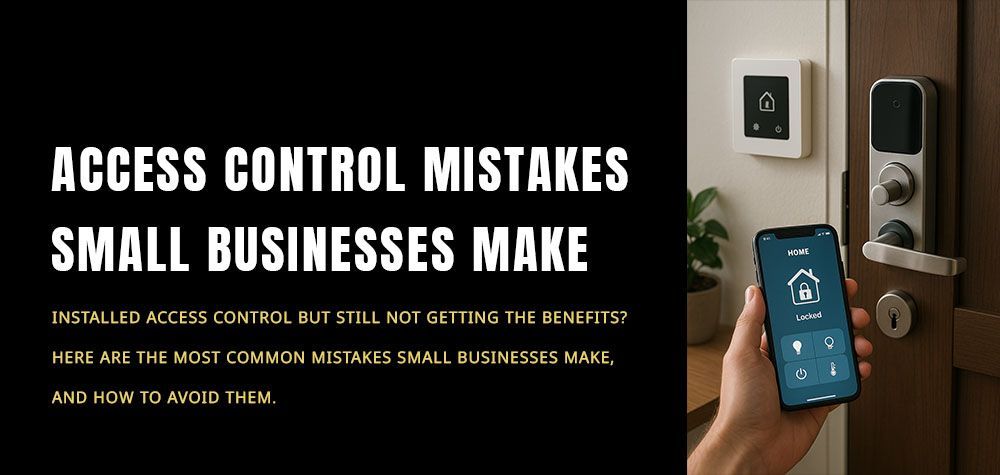
When people hear “AI locks,” they often imagine doors that think for themselves. In reality, AI-based access control systems analyze patterns, behavior, and context to make smarter access decisions.
This can include:
• recognizing who normally enters and when
• detecting unusual access attempts
• adjusting permissions automatically
• flagging abnormal behavior
What it does not mean is a lock acting independently without rules. AI systems still rely on frameworks set by humans—and strong physical hardware underneath.
From Static Access to Adaptive Access
Traditional locks are static. A key works or it doesn’t. A code opens the door until it’s changed.
AI-based systems are adaptive.
For example, an AI system might learn that a cleaner usually arrives Tuesdays at 10 a.m. If an access attempt happens at 2 a.m. on Sunday, the system can block entry or alert the homeowner automatically.
This shift—from permission-based access to behavior-aware access—is one of the biggest changes coming to locksmithing.
Biometric Data Is Becoming Smarter (And More Selective)
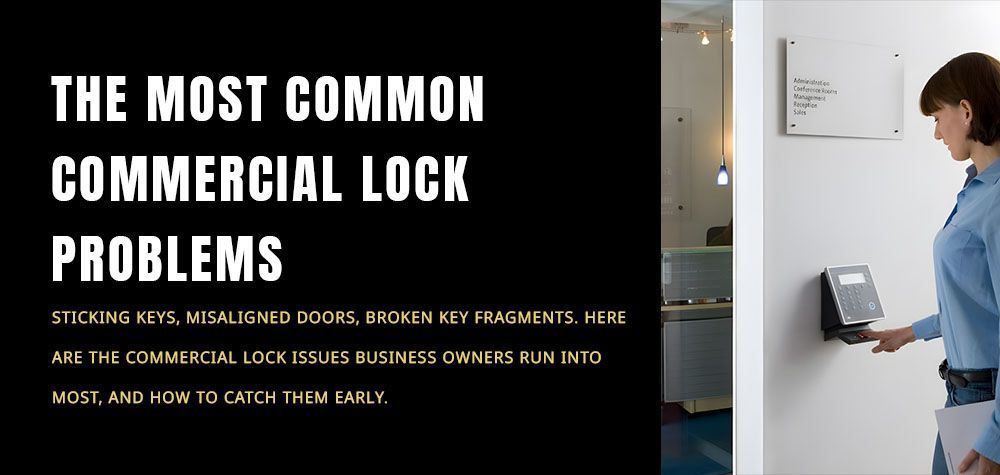
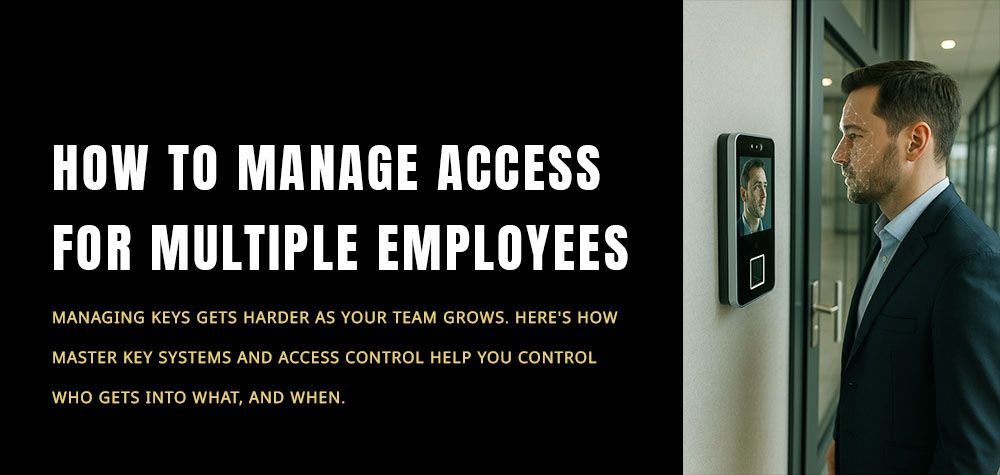
Fingerprint and facial recognition aren’t new, but AI is making them more reliable.
Earlier systems struggled with lighting, moisture, aging, or small physical changes. New AI-driven models learn over time, reducing false rejections and increasing accuracy.
However, at Brothers Locksmith, we remind clients that biometrics should never be the only access method. Redundancy remains critical. No biometric system is immune to failure, injury, or environmental disruption.
AI Can Detect Tampering Before a Break-In Happens
One of the most promising applications of AI is anomaly detection.
Instead of waiting for a forced entry, AI systems can notice:
• repeated failed attempts
• unusual vibration patterns
• abnormal door pressure
• access attempts that don’t match historical behavior
This allows intervention before a lock is defeated—something traditional systems simply can’t do.
Why Physical Locks Are Still the Foundation
Despite all the innovation, locksmithing hasn’t become obsolete—and it won’t.
AI-based access control still relies on:
• solid doors
• reinforced frames
• high-grade mechanical locks
• precise installation
A weak door undermines even the most intelligent system. This is why Brothers Locksmith treats AI access as an upgrade layer, not a replacement for mechanical security.
How 3D-printed keys are changing the locksmith game
Privacy and Data Security: The New Locksmith Responsibility
Future locksmiths won’t just cut keys—they’ll manage data.
AI systems collect sensitive information: access times, identities, habits, and routines. Poorly configured systems can expose homeowners to digital risks that didn’t exist before.
This is why professional configuration matters just as much as installation. Security isn’t just physical anymore—it’s informational.
AI Access Control in Residential vs Commercial Spaces
Commercial buildings are adopting AI faster because of scale. Offices benefit from traffic analysis, employee patterns, and centralized control.
Residential adoption is slower but growing, especially in:
• high-end homes
• vacation properties
• short-term rentals
• multi-family housing
In homes, simplicity still wins. Overly complex systems often get disabled or misused.
When AI Access Makes Sense—and When It Doesn’t
AI-based access works best when:
• access patterns are predictable
• multiple users need dynamic permissions
• security monitoring is active
• hardware is professionally integrated
It’s unnecessary for low-risk, low-traffic doors where traditional locks already perform well.
The Locksmith’s Role Is Expanding, Not Shrinking
The biggest misconception is that AI will replace locksmiths.
In reality, it makes skilled locksmiths more important.
Modern locksmiths must understand:
• hardware compatibility
• software configuration
• network reliability
• fail-safe planning
• emergency override systems
At Brothers Locksmith, we see the future as hybrid—where craftsmanship meets technology.
What AI Can’t Replace: Judgment and Context
AI can analyze patterns, but it can’t fully understand context.
It doesn’t know:
• why routines changed
• when access should override rules
• how physical wear affects performance
• when human judgment is needed
That’s where professional expertise remains irreplaceable.
Preparing Your Home for the Future—Without Overdoing It
Future-ready homes start with fundamentals:
• solid doors
• proper lock grades
• reinforced frames
• professional installation
AI systems should be layered on top—not used to compensate for weak foundations.
Final Thoughts: The Future Is Intelligent—but Still Physical
AI-based access control is reshaping locksmithing, but it isn’t rewriting the rules of security. Doors still need to resist force. Locks still need to function reliably. And people still need systems they understand and trust.
The future belongs to balanced security—where intelligence enhances strength, not replaces it.
If you’re curious about AI-based access control or wondering whether it actually fits your home or business, Brothers Locksmith can help you navigate the future without sacrificing real-world security.
Call Us Any Time!