

The Secrets You Need to Know About Hiding Spare Keys
April 8, 2021

While no one plans on getting locked out of their homes, this unfortunate situation is always a possibility. As such, having a spare key can come in handy, allowing you to skip the panic and hassle of calling a locksmith. But with this added security comes added risk, especially if you plan on hiding your spare outside your residence. With some careful planning, however, you can rest assured that your spare key is kept secret, and you’ll always have a fail-safe way to enter your home.
You never know what could happen in the course of a day. Like any other object, your keys can break, get lost, or — in the worst case — stolen. Whatever the reason, should your keys go missing, it’s great to have a spare set you can easily access to let yourself in. Unfortunately, if you plan on stashing your key somewhere on your property, burglars and other ne’er do wells now have a way to enter your home too. This raises an important question: where should you hide your spare so only you can find it?
If you’ve seen that old key-in-a-plastic-rock routine, so have burglars. Yes, they also know about other spare key hotspots like door-ledges, mailboxes, and porch lights. Leaving your spare keys in obvious spaces leaves you vulnerable to robbery, so if you’re going to outsmart a crook, you’ll need to look beyond doormats and flowerpots, and on to less-likely stash spots.
- Disguise it: While fake rocks are cliche and obvious, fear not: you can still hide your key on your property through an assortment of discreet and innovative key-holders disguised as common lawn equipment. Typically found online, these containers include fake drain caps, lawn sprinklers, and even mock electrical outlets. They’re easy to overlook, and would draw quite a lot of suspicion to anyone trying to snoop them out.
- Get experimental: You don’t need to drop money on fake-out key holders to find ingenious hiding spots on your property. This can include any number of places. If you’re confident in your memory, you can stash your key in an empty bottle, bury it in your lawn, and mark the location using a rock that’s unlikely to move. Your door knocker can work too if you glue a magnet to the back and leave enough space to slip your key under. You can even tuck it away in the doghouse. Anything goes, really, as long as you’re thinking of places you’d never look, and then finding ways to store your key there.
- Lockboxes: This may be an obvious method, but it’s perhaps the most secure. Lockboxes are small containers that can only be opened through punching in a code. Real estate agents often attach lockboxes to doorknobs, but you’re better than that. Rather than hanging your container out in the open for all to see, consider stashing it away under a bush, or burying it in a marked spot in your garden.
- Go high: Often, it’s best to keep your spare key someplace out of reach, whether tucked away in a birdhouse, nailed to an inconspicuous part of a tree, or in a noisy bunch of windchimes. It will take a greater deal of effort to retrieve your key from these perches, but it’ll be even more difficult for a thief who doesn’t want to draw attention to themselves.
- Phone a friend: The above methods might be clever, but nothing beats the security of knowing that a close pal has your back. If you have a trusted neighbor or a friend who lives nearby, you can ask them to hold on to your spare, and drop it off to you in case you get locked out. Additionally, if an emergency happens while you’re away, your neighbors would now have a way to enter your home to help mitigate the problem.
Call Us Any Time!
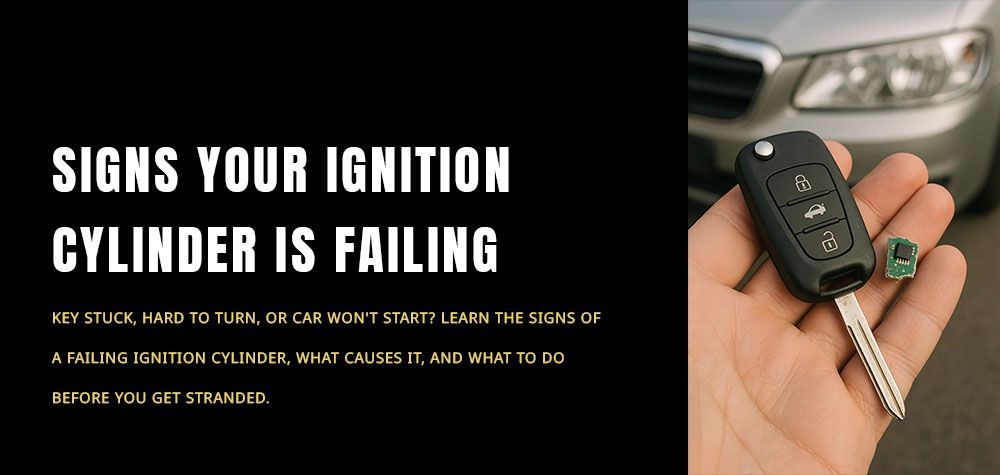
Key stuck, hard to turn, or car won't start? Learn the signs of a failing ignition cylinder, what causes it, and what to do before you get stranded.
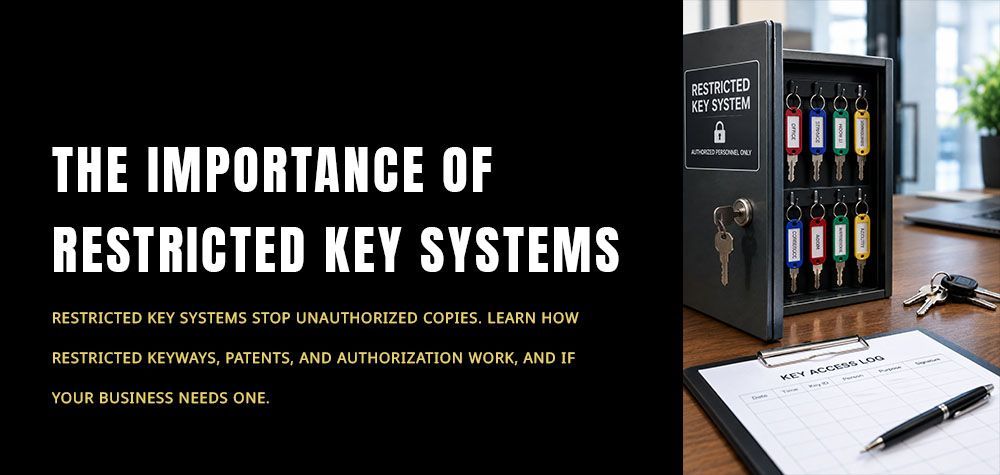
Restricted key systems stop unauthorized copies. Learn how restricted keyways, patents, and authorization work, and if your business needs one.

A key control policy shows who holds keys, who can copy them, and what happens when one is lost. Learn what to include and who should own it.
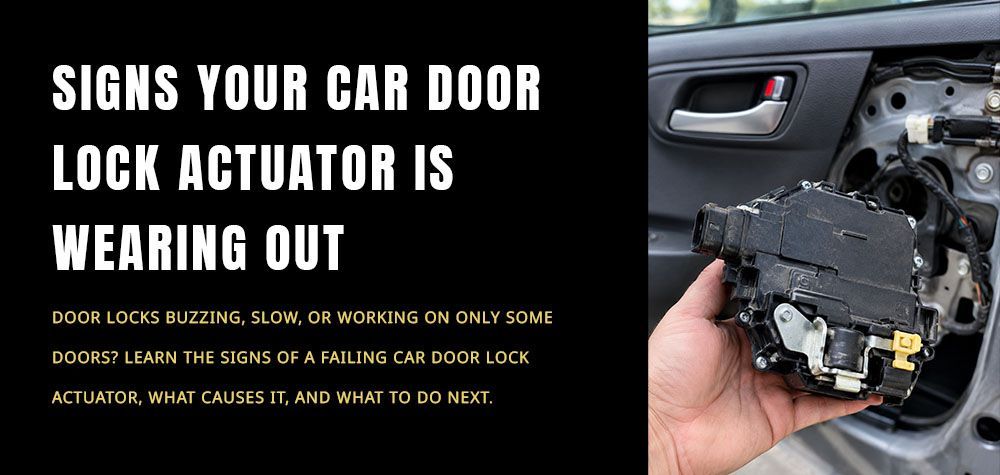
Door locks buzzing, slow, or working on only some doors? Learn the signs of a failing car door lock actuator, what causes it, and what to do next.
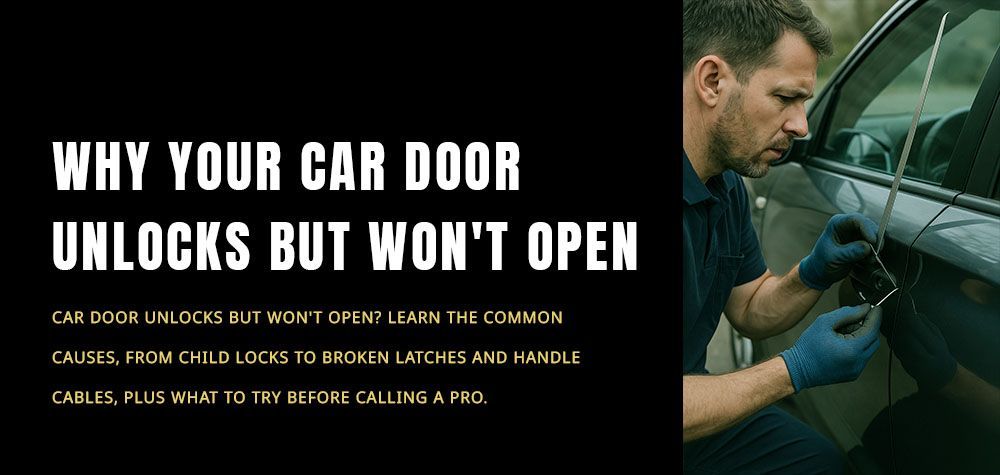
Car door unlocks but won't open? Learn the common causes, from child locks to broken latches and handle cables, plus what to try before calling a pro.
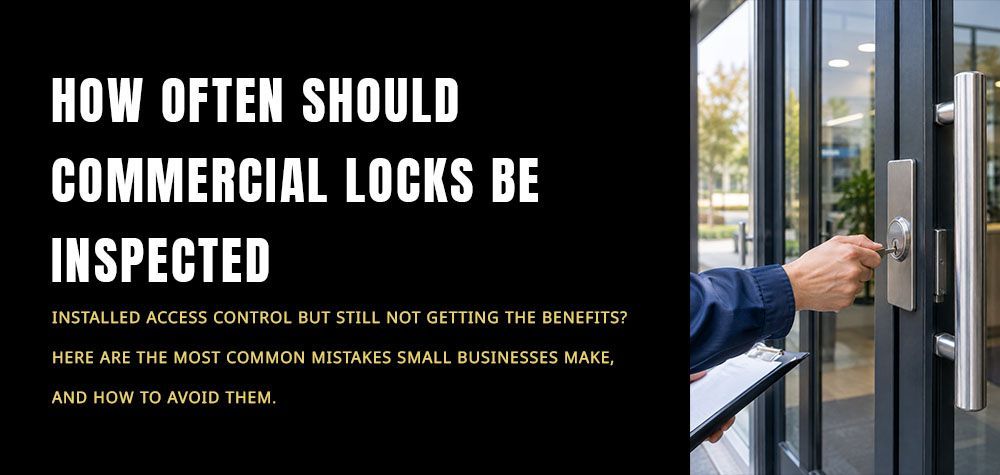
Waiting for a lock to fail costs more than checking it early. Here's how often to inspect commercial locks, and what events should trigger a check sooner.
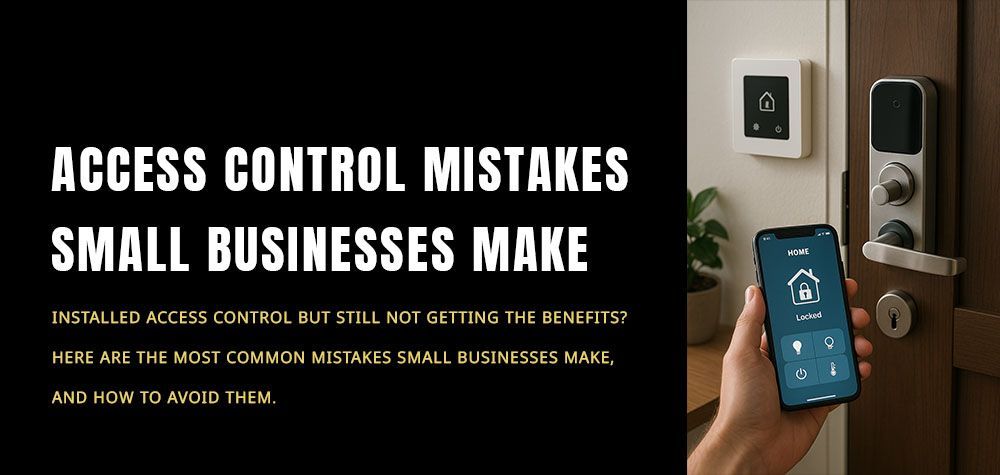
Installed access control but still not getting the benefits? Here are the most common mistakes small businesses make, and how to avoid them.

An employee's departure leaves behind keys, codes, and credentials. Here's a step-by-step checklist to close every access gap before it becomes a risk.