The Ultimate Guide to Lock Snapping and Ways to Prevent It 2024
Your home's security is paramount, and understanding potential threats is the first step in safeguarding your property. Lock snapping, a common technique employed by burglars, poses a significant risk to homes with vulnerable euro cylinder locks. In this comprehensive guide, we delve into the ins and outs of lock snapping, exploring when and how it occurs, its prevalence, and most importantly, how you can protect your home from this insidious threat.'
With insights from qualified locksmiths and industry experts, we'll uncover the methods used by burglars to snap locks and identify which locks are at the greatest risk. But it's not all doom and gloom – we'll also provide practical solutions and recommendations to fortify your home against lock snapping, including the latest anti-snap lock standards for 2024.
What is Lock Snapping?
Lock snapping is a cunning technique used by burglars to break into homes swiftly and quietly, often leaving homeowners feeling vulnerable and violated. This method involves applying force to the lock cylinder, causing it to snap and render the lock ineffective, granting easy access to the property. Burglars exploit the weaknesses in certain types of locks, making it a prevalent concern for homeowners seeking to safeguard their homes. Understanding the threat of lock snapping is crucial for taking proactive measures to fortify home security and protect against potential break-ins.
Read more about 6 Simple Ways To Get A Broken Key Out Of A Lock!
When and How Does Lock Snapping Happen?
Lock snapping typically occurs during attempted break-ins, particularly in situations where burglars seek quick and inconspicuous entry into a property. It often happens under the cover of darkness or when homeowners are away, making it challenging to detect the intrusion until it's too late. Burglars exploit the vulnerability of certain types of locks, especially euro cylinder locks, by applying force to the cylinder and snapping it at a weak point. This method allows them to bypass the lock mechanism swiftly and gain access to the property without raising suspicion.
Lock snapping is facilitated by the design flaws in some locks, particularly those that lack sufficient protection against forced entry techniques. Burglars exploit these weaknesses to execute their break-in attempts efficiently, posing a significant threat to homeowners' security and peace of mind. Understanding the modus operandi of lock snapping and the vulnerabilities it exploits is crucial for homeowners to take proactive measures to reinforce their locks and deter potential intruders.
Read about How to Unlock a door without a key!
How Common is Lock Snapping?
Lock snapping has unfortunately become increasingly common, with reports of such break-ins on the rise in many areas. This method of forced entry is favored by burglars due to its effectiveness and ease of execution, contributing to its prevalence in residential burglaries. Euro cylinder locks, which are commonly found on many homes, are particularly susceptible to lock snapping, making them prime targets for burglars. The widespread availability of information and tools necessary for lock snapping further contributes to its prevalence. As a result, homeowners are urged to take proactive measures to secure their properties against this prevalent threat, such as upgrading to anti-snap locks and seeking guidance from locksmiths on bolstering home security.
How Can Locksmiths Help You Prevent Lock Snapping?
Locksmiths play a crucial role in helping homeowners prevent lock snapping by offering expert advice and implementing effective security measures. Here are some ways locksmiths can assist:
- Assessment and Recommendation: Locksmiths can assess the security vulnerabilities of your existing locks and provide recommendations for upgrading to more secure options, such as anti-snap locks.
- Installation of Anti-Snap Locks: Locksmiths are skilled in installing anti-snap locks, which are designed to resist snapping attacks. They can fit these specialized locks to your doors, providing enhanced protection against burglars.
- Proper Fitting: Locksmiths ensure that locks are fitted correctly to minimize the risk of snapping. Proper installation is crucial for maximizing the effectiveness of anti-snap locks and reducing vulnerabilities.
- Advice on Security Upgrades: In addition to lock installation, locksmiths can offer advice on other security upgrades, such as installing security cameras, motion sensors, or additional door reinforcements, to create a comprehensive security system for your home.
- Emergency Response: In the unfortunate event of a lock snapping incident or attempted break-in, locksmiths provide emergency response services to repair or replace damaged locks quickly, restoring security to your home.
The Method of Lock Snapping – How Burglars Snap the Lock
- Identification of Vulnerable Locks: Burglars typically target euro cylinder locks, which are commonly found on UPVC doors. These locks are susceptible to snapping due to their design, which features a weak point where the cylinder meets the door handle.
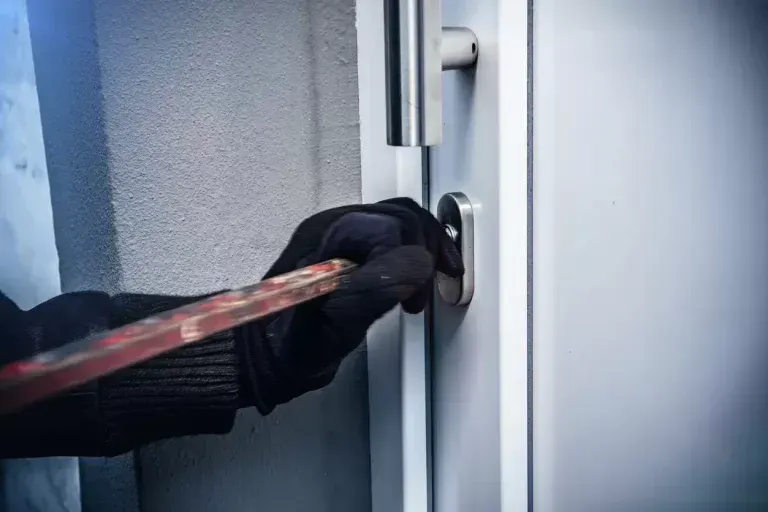
- Application of Force: To execute lock snapping, the burglar applies force to the exposed end of the lock cylinder using basic tools such as pliers or a hammer. By exerting pressure on the cylinder, they exploit its weak pointand cause it to snap cleanly in half.
- Removal of Cylinder Core: Once the lock snaps, the burglar can easily remove the exposed core of the cylinder, allowing them to access the internal mechanism of the lock.
- Manipulation of Lock Mechanism: With the cylinder core removed, the burglar can manipulate the lock mechanism using simple tools, such as a screwdriver or a makeshift key, to unlock the door and gain entry into the property.
What Locks are at Risk to Lock Snapping?
Several types of euro cylinder locks are vulnerable to lock snapping, including:
- Single Lock Cylinder: These cylinders only provide access from one side, making them particularly susceptible to snapping attacks.
- Double Lock Cylinder: Offering access from both sides, double lock cylinders are also at risk of lock snapping if they are not reinforced against this method of attack.
- Thumb-turn Lock Cylinder: Thumb-turn cylinders allow users to lock and unlock doors from the inside without requiring a key. While convenient, these locks are often targeted by burglars due to their vulnerability to snapping.
What Lock is Used to Stop Lock Snapping?
To effectively prevent lock snapping, homeowners should consider installing anti-snap locks that are specifically designed to resist this method of attack. The lock commonly used to stop lock snapping is the euro cylinder lock, which is tested and approved to meet high-security standards, such as the SS312 Diamond standard.
Anti-snap euro cylinder locks feature reinforced construction and additional security features that make them resistant to snapping attempts. These locks are engineered to withstand the force applied during a snapping attack, preventing intruders from gaining unauthorized entry into the property.
When choosing a lock to stop lock snapping, homeowners should look for products that meet recognized industry standards for security, such as SS312 Diamond or TS007 3-star cylinders. These high-quality locks provide reliable protection against forced entry and help ensure the safety and security of residential properties.
How a Lock Will Protect Against Lock Snapping?
A lock can effectively protect against lock snapping by incorporating advanced security features that are specifically designed to resist this method of attack. Here's how a high-quality lock can safeguard against lock snapping:
- SS312 Diamond Approved: Opting for a lock that is tested and approved to meet rigorous security standards, such as the SS312 Diamond standard, ensures that the lock has undergone extensive testing to withstand snapping attacks.
- Anti-Snap Design: Locks designed to prevent lock snapping feature reinforced construction and specialized mechanisms that make them resistant to forced entry attempts. These locks are engineered to withstand the pressure exerted during a snapping attack, preventing intruders from gaining access to the property.
- Correct Installation: Proper installation of the lock is crucial to its effectiveness in preventing lock snapping. A qualified locksmith will ensure that the lock is fitted correctly, reducing the risk of vulnerabilities that could make it susceptible to snapping.
- Euro Cylinder Locks: Euro cylinder locks are commonly used to protect against lock snapping due to their compatibility with anti-snap features. These locks can be upgraded to incorporate additional security measures, such as reinforced cores and sacrificial sections, which enhance their resistance to snapping attacks.
- High-Security Standards: Choosing a lock that meets high-security standards, such as SS312 Diamond or TS007 3-star cylinders, provides assurance of its ability to withstand various forms of forced entry, including lock snapping.
Best Anti-Snap Lock Standards for 2024
In 2024, the best anti-snap lock standards offer robust protection against lock snapping and other forced entry methods. Here are the top standards to look for when selecting anti-snap locks:
- Sold Secure SS312 Diamond Cylinders: Sold Secure SS312 Diamond is one of the highest security standards for cylinder locks. Locks that meet this standard have undergone rigorous testing to ensure they can withstand advanced forms of attack, including lock snapping. Choosing a lock with this certification provides assurance of superior security and resistance to forced entry.
- TS007 3-Star Cylinder: TS007 is a British standard that evaluates the security performance of cylinder locks. A TS007 3-star rated cylinder offers maximum protection against snapping attacks, as well as other common methods employed by burglars. This high-security rating indicates that the lock has been tested and proven to meet stringent security requirements.
- 1-Star Cylinder with 2-Star Furniture: While not as high as SS312 Diamond or TS007 3-star, a lock combination of a 1-star cylinder with 2-star furniture still provides reliable protection against lock snapping. This configuration offers a cost-effective solution for homeowners seeking enhanced security without compromising on quality.
Conclusion
In conclusion, understanding the threat of lock snapping and taking proactive measures to prevent it is crucial for maintaining the security of your home or property. Lock snapping is a common method used by burglars to gain entry quickly and quietly, often targeting vulnerable euro cylinder locks.
By working with qualified locksmiths, homeowners can implement preventive measures such as installing anti-snap locks that meet high-security standards like Sold Secure SS312 Diamond, TS007 3-Star, or a combination of 1-Star cylinders with 2-Star furniture. These certified locks provide robust protection against lock snapping and other forced entry techniques, ensuring the safety and security of your premises.
Investing in quality locks and professional installation not only deters potential intruders but also offers peace of mind knowing that your property is fortified against unauthorized access. Don't wait until it's too late – take proactive steps to secure your home and protect your loved ones from the threat of burglary.
Call Us Any Time!