Did you know that your key fob can get hacked?
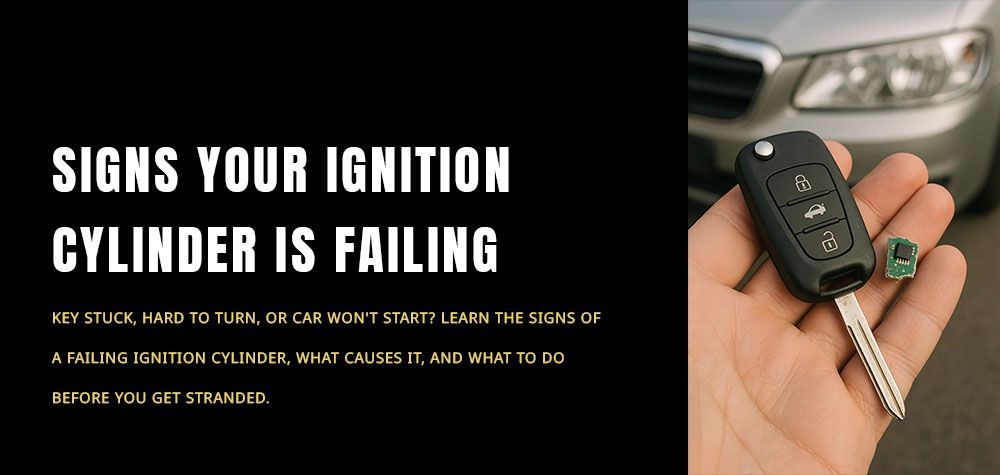
Purchasing a car is one of the huge investments you will in your lifetime. With the advancement of technology, the types of vehicle you are using and they lock system installed are becoming more complex. Nowadays, your car is listening, waiting for an electronic signal to unlock itself. The coded signal from your key fob is likely to open your car. All you need to do is approach the vehicle, and it automatically opens. In some cases, the engine will turn on once you approach your car. But, with this technology comes the greater risk of car theft.
The electronic locking system is convenient, but criminals have found
it even easier to steal cars from unsuspecting car owners. To start with, the criminals find it easy to intercept your key fob’s signals, open the car without the alarm going off and before you know it they have driven away. Let’s look at the different ways criminal use to intercept your car signals.
How the criminal attacks
Criminals know how electronic car systems work. They know that a computer chip is used to create your car unique code before the code is sent to the car’s security system. With this information, hackers can intercept the signals from your car’s key fob just twice. Criminals can narrow the combination to just 200,000 in one step, then use a computer to figure out the code. The process can take a short amount of time only.
Another way thieves use is a simple one. Cars that have always-on key fobs are the target of this method. As long as the keys are in range, anyone can open the vehicle, and the system won’t suspect that it is not you. Nowadays the newer models will not unlock until you are close enough. Some criminals use amplifies that detect key fob signals. The amplifier can detect signals from 300 feet ways and open your car, meaning your key can be in the house, but criminal will walk to your car, open it and leave with it.
Final words
In just a day, a thief can sit in the parking lot or streets and gather signals as people enter or exit their vehicles. Then, with the information, they go figure out your code and unlock your car before driving away. Fortunately, there are simple steps to keep your car safe from hackers. If you want to avoid unnecessary budget, check out our article on 5 steps to prevent keyless car theft.
Call Us Any Time!