

When it comes to home security, it’s always better to be safe than sorry. As a homeowner, you may desire a higher sense of security for your residence than traditional locks or deadbolts can provide. You may have previously experienced a home invasion, or have chosen to keep valuables stored within the property. Maybe you live in a neighborhood with a higher crime rate, or you simply want more peace of mind that you and your family are safe. Whatever your reason, if you’re looking to increase your home’s security, consider installing a system with high security keys and locks. These systems provide better security than a traditional lock and key, and are a great option to discuss with your locksmith.
What Are High Security Locks And Keys?
October 26, 2020
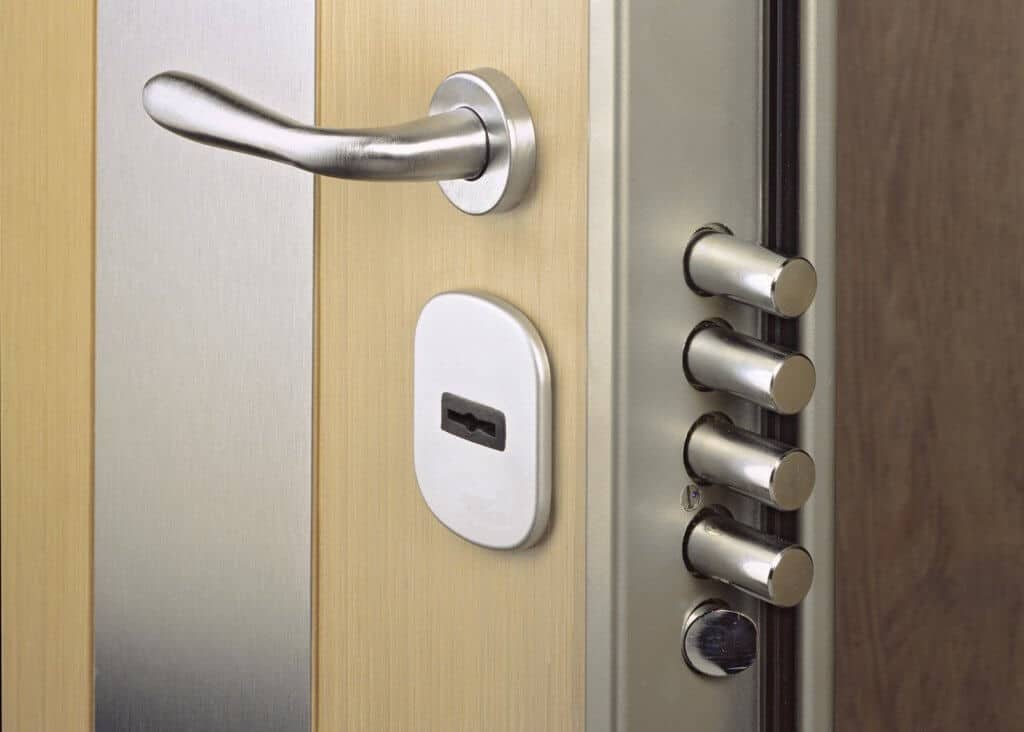
What Are High Security Locks?
High security locks are specifically designed to provide better protection for those that install them. These locks are often equipped with reinforcement such as rods and plates, deterring criminals as they quickly realize they cannot gain entry into the property through their typical methods of picking or drilling.
High security locks may also contain a more complicated pin system, meaning the hardware is designed so only high security keys can unlock them. These locks use different technology to secure the cylinder, and are very effective at maximizing your home’s security. Though high security locks can be implemented in most existing lock hardware systems, be sure to discuss with your locksmith the best method to add these locks to your system.
Finally, high security lock systems are typically equipped with reinforced plates on the door frame. These plates make it much harder for someone to kick your door in or break the door frame. Through all of these components, high security lock and key systems make your home very hard to break into, adding an undesirable amount of noise and time spent outside to those with criminal intentions. These individuals often aim to enter a home as quickly and quietly as possible, looking to minimize the risk of being caught.
What Are High Security Keys?
When it comes to implementing a high security system, the most important component is the installation of a more complex lock. However, along with the new lock, your locksmith can make you a set of high security restricted keys. These keys are much harder to get copied, as only one locksmith in your area can make copies. The blanks used to make these keys are restricted to only one locksmith per area, and most of these locksmiths have a process for ensuring only authorized people can get copies. The locksmith may track the amount of keys that have been made, keep a formal record of authorized individuals, or require ID upon asking to copy.

Additional Security Measures to consider
It’s important to note that while adding a high security key and lock system to your home will contribute to better overall security, the system is not as effective without implementing other safety measures on your property. Make sure you address other potential security weaknesses in your home such as:
- Entryways: Make sure all entrances to your home are well-lit. Keeping your outdoor lights on at night deters criminals as neighbors or anyone passing by can see that someone is trying to break in.
- Landscaping: It’s best to avoid shrubbery that obscures windows. If you do have trees or bushes that block first floor windows, make sure to keep the branches trimmed down. These are often hiding places for people attempting to break in.
- Invest in a Home Security System: If you are concerned about your home’s security, consider investing in a security system. Openly display that you do have a system, placing signs outside the property or a sticker on windows. These practices significantly decrease attempts to break in.
<
Call Us Any Time!
Key stuck, hard to turn, or car won't start? Learn the signs of a failing ignition cylinder, what causes it, and what to do before you get stranded.
Restricted key systems stop unauthorized copies. Learn how restricted keyways, patents, and authorization work, and if your business needs one.
A key control policy shows who holds keys, who can copy them, and what happens when one is lost. Learn what to include and who should own it.
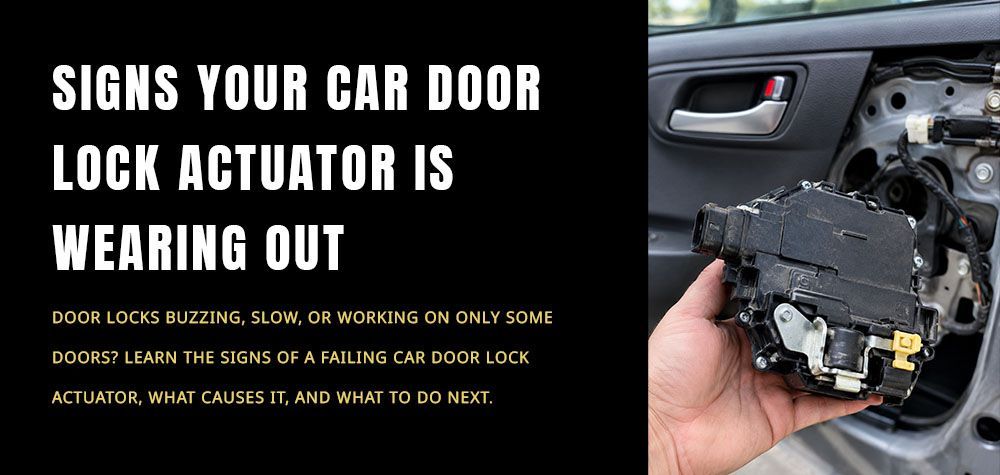
Door locks buzzing, slow, or working on only some doors? Learn the signs of a failing car door lock actuator, what causes it, and what to do next.
Car door unlocks but won't open? Learn the common causes, from child locks to broken latches and handle cables, plus what to try before calling a pro.
Waiting for a lock to fail costs more than checking it early. Here's how often to inspect commercial locks, and what events should trigger a check sooner.
Installed access control but still not getting the benefits? Here are the most common mistakes small businesses make, and how to avoid them.
An employee's departure leaves behind keys, codes, and credentials. Here's a step-by-step checklist to close every access gap before it becomes a risk.