

What Level of Security is Best for Your Business?
October 6, 2021
Your place of work is your livelihood. The physical structure that your business runs out of contains important documents, information, and business assets that must be protected. That being said, finding the perfect level of security for your organization can be difficult, and having too much or too little can have dire consequences.
Security in a business goes far beyond simply placing crucial documents in a locked drawer or safe. Our world today runs on things like the Internet, the cloud, and other intangible data storage programs. When thinking about protecting your organization, it is important to consider tech security alongside physical security. This includes things such as:
Firewall
: Installing a powerful and high quality firewall is the first step to securing your business’ online assets. Firewalls prevent viruses by scanning anything coming into the business network and deeming it safe or unsafe.
Email
: Viruses can also enter into an organization’s network through things such as email attachments, fake addresses, and other types of email-based scams. A good way to prevent this is to educate staff and employees about the importance of keeping sensitive information confidential, especially if email is a commonly used form of communication for your business.
Wireless Network
: Securing your organization’s wireless network with a Wi-Fi Protected Access (WPA) or a Wireless Encryption Protocol (WEP) and turning off wireless networks during periods of inactivity (such as holidays or weekends) can help protect your company’s digital assets.
In addition to the protection of data and networks, securing your business’ premises and physical assets is of utmost importance. This is when you need to decide which level of physical security is best for your business:
Traditional Lock and Key
: This measure of security is best for small businesses, especially in the case that you, as the business owner, either take the most valuable assets home with you at the end of the day or lock them in a safe. However, traditional lock and key systems require proper maintenance, such as lock rekeying, in addition to key management.
High Security Locks
: This includes things like key control systems or electronic access control systems, and is typically used in medium to large sized businesses with fairly valuable assets. These allow for higher levels of security since there is little to no possibility of someone outside of your organization getting a hold of a key fob or door code.
Biometric Security
: Biometric security is the most advanced option, and is recommended for large businesses, often with extremely valuable assets, equipment, or documents. These systems limit accessibility to certain areas and base identification on biological traits (such as iris scans, fingerprint scans, and voice recognition).
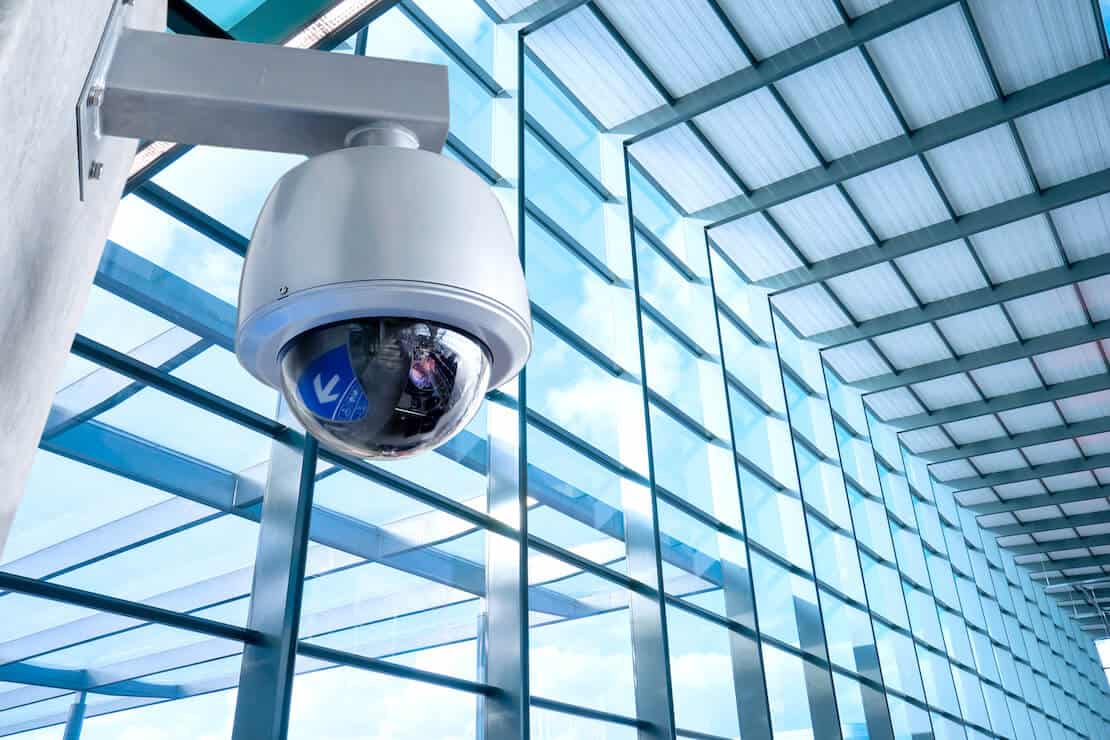
Security Cameras
: No matter the types of locks or key control systems you decide to install on the premises, it is important to invest in security camera systems that provide adequate coverage of the business location. Security camera systems can help give you an idea of the activity around the area your business is located in as well as provide insight into what other security measures can be taken to further protect your business.
Your local Brothers Locksmith is here to assist you with any questions you may have with regards to the security of your organization, as well as installation and security audits. Contact your local Brothers Locksmith today and schedule an appointment with one of our expert locksmiths!
Call Us Any Time!
Key stuck, hard to turn, or car won't start? Learn the signs of a failing ignition cylinder, what causes it, and what to do before you get stranded.
Restricted key systems stop unauthorized copies. Learn how restricted keyways, patents, and authorization work, and if your business needs one.
A key control policy shows who holds keys, who can copy them, and what happens when one is lost. Learn what to include and who should own it.
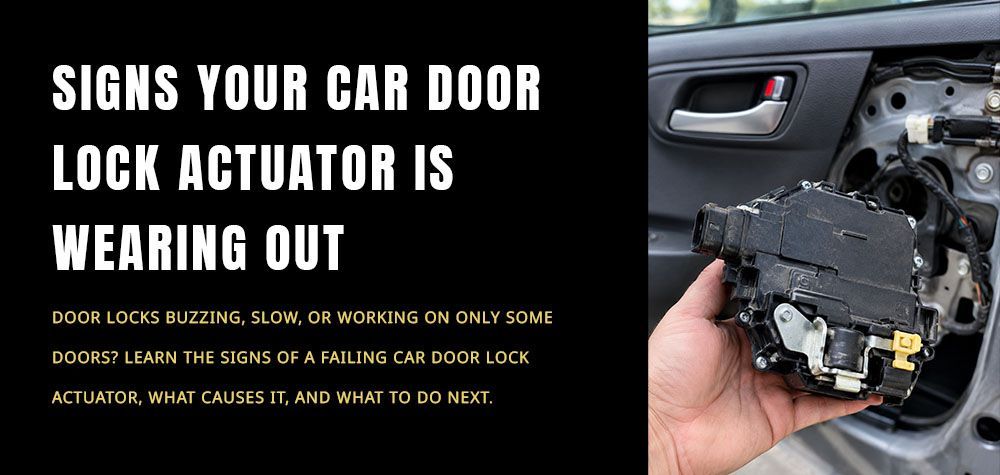
Door locks buzzing, slow, or working on only some doors? Learn the signs of a failing car door lock actuator, what causes it, and what to do next.
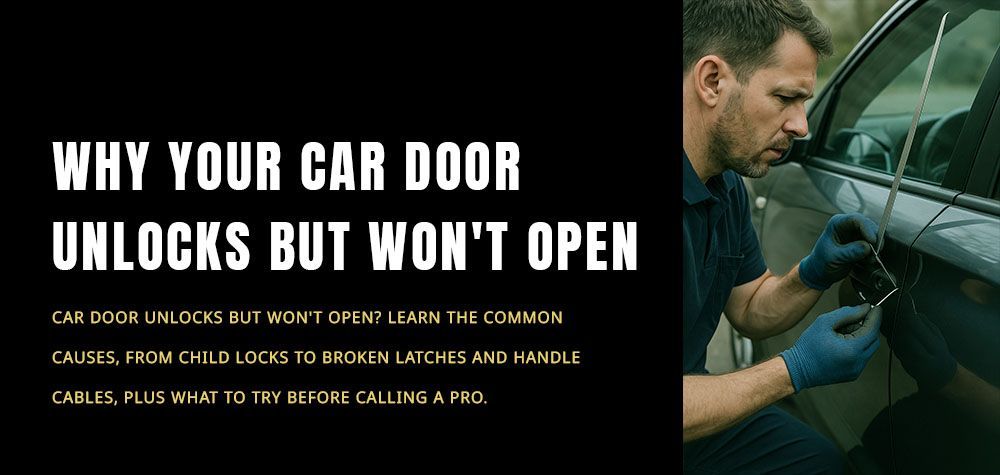
Car door unlocks but won't open? Learn the common causes, from child locks to broken latches and handle cables, plus what to try before calling a pro.
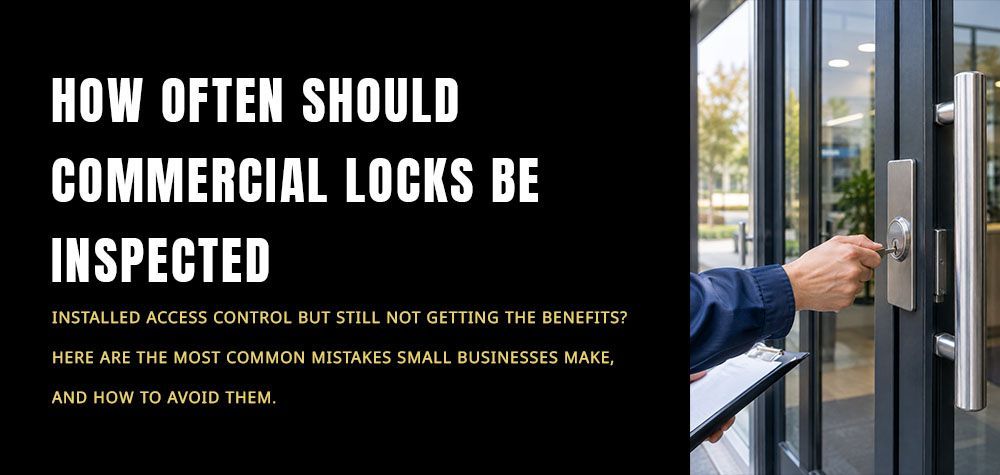
Waiting for a lock to fail costs more than checking it early. Here's how often to inspect commercial locks, and what events should trigger a check sooner.
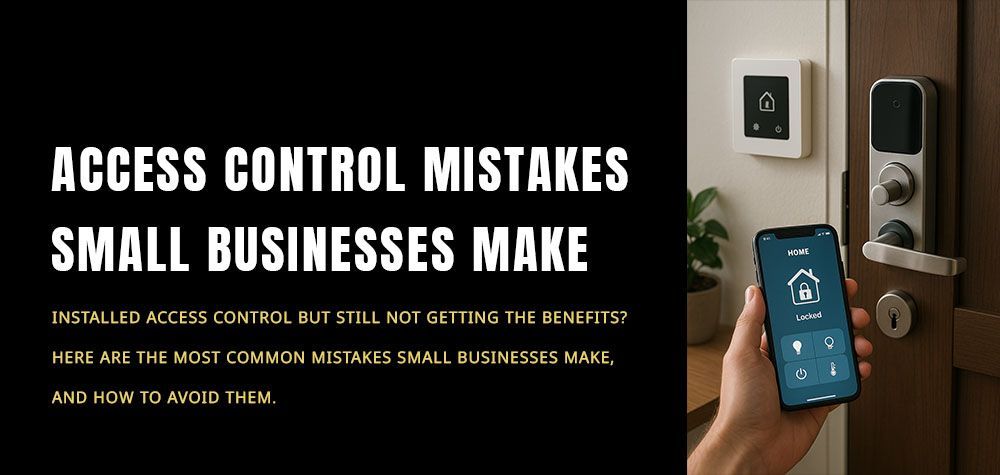
Installed access control but still not getting the benefits? Here are the most common mistakes small businesses make, and how to avoid them.
An employee's departure leaves behind keys, codes, and credentials. Here's a step-by-step checklist to close every access gap before it becomes a risk.