What to Do If Your Car Door Lock Is Stuck in the Locked Position
Hey there, car owner! There’s nothing more frustrating than a car door lock that’s stuck in the locked position. Whether you’re in a hurry or just trying to get home, dealing with a jammed lock can really throw a wrench in your plans. But don’t worry—I’m here to help you navigate this annoying situation. Let’s explore some practical steps to get your lock working again and ensure it doesn’t happen in the future.
Understanding the Problem
Before diving into solutions, it’s important to understand why your car door lock might be stuck. Here are some common reasons:
- Frozen Lock: In cold weather, moisture can freeze inside the lock mechanism.
- Debris and Dirt: Over time, dirt and debris can accumulate and cause the lock to jam.
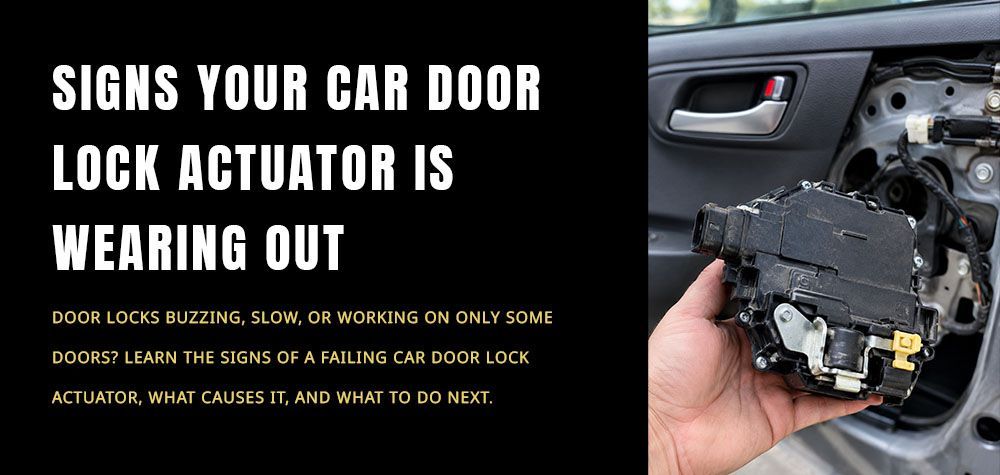
- Worn Components: The internal components of the lock might be worn or damaged.
- Mechanical Failure: Issues with the locking mechanism, such as broken linkages or springs, can prevent the lock from functioning properly.
Immediate Solutions
When you find yourself with a stuck car door lock, try these immediate solutions to get it unstuck:
1. Lubricate the Lock
Often, a stuck lock just needs a bit of lubrication to get moving again.
- Step 1: Purchase a graphite-based lock lubricant or use WD-40.
- Step 2: Spray the lubricant into the keyhole and around the lock mechanism.
- Step 3: Insert the key and gently turn it back and forth to distribute the lubricant.
2. Thaw a Frozen Lock
If the lock is frozen, you’ll need to thaw it out.
- Step 1: Use a hairdryer on the lowest setting to gently warm the lock.
- Step 2: Hold the hairdryer a few inches away from the lock to avoid damaging the paint.
- Step 3: Insert the key and gently try to turn it.
3. Use a Lock De-Icer
A lock de-icer can quickly solve the problem of a frozen lock.
- Step 1: Purchase a lock de-icer from an auto parts store.
- Step 2: Spray the de-icer into the keyhole.
- Step 3: Insert the key and gently turn it to unlock.
Tools You Might Need
Having the right tools on hand can make all the difference:
- Graphite-based lock lubricant
- WD-40
- Hairdryer
- Lock de-icer
- Key extractor tool (if your key breaks in the lock)
- Screwdriver set (for more in-depth repairs)
Long-Term Solutions
If immediate fixes don’t work or you find yourself dealing with a stuck lock frequently, consider these long-term solutions:
1. Clean the Lock Mechanism
Regular cleaning can prevent dirt and debris from causing jams.
- Step 1: Remove the door panel using a screwdriver.
- Step 2: Clean the lock mechanism with a small brush and a mild cleaning solution.
- Step 3: Lubricate the lock after cleaning.
2. Replace Worn Components
If parts of the lock mechanism are worn or damaged, replacement might be necessary.
- Step 1: Identify the worn components by inspecting the lock mechanism.
- Step 2: Purchase replacement parts from an auto parts store or dealership.
- Step 3: Install the new parts and reassemble the door panel.
3. Consult a Professional
When in doubt, consult a professional locksmith or mechanic to diagnose and fix the problem.
- Step 1: Schedule an appointment with a trusted locksmith or auto repair shop.
- Step 2: Explain the issue and any troubleshooting steps you’ve already taken.
- Step 3: Follow their advice for repair or replacement.
Conclusion
Dealing with a stuck car door lock can be a hassle, but with the right knowledge and tools, you can get it working again in no time. Whether it’s a quick fix like lubrication or a more in-depth repair, taking action promptly will save you from further frustration. Regular maintenance and preventative measures can keep your locks in good working condition, ensuring you never get stuck again. Safe driving!
Call Us Any Time!