What to Do If You’ve Lost All Keys to Your Car
Losing your only set of car keys can feel like a total nightmare. Whether you’re stuck in a parking lot, late for an appointment, or just locked out at home, that sinking feeling in your stomach is real. But here's the good news: while losing all your car keys may seem like the end of the road, it’s not. With the right steps—and the right locksmith—it’s absolutely fixable.
In this guide, we’ll walk you through exactly what to do if you’ve lost all your car keys. From identifying your car’s key type to choosing between dealership services and locksmiths, you’ll get the inside scoop on reclaiming access to your vehicle without losing your sanity.
"How to Avoid Getting Scammed by Fake Car Locksmiths"
Step 1: Stay Calm and Assess the Situation
First things first: take a breath. Losing all your keys is stressful, but panicking won’t help. Start by retracing your steps and checking all the usual places—pockets, bags, under the couch, jacket linings, and even your car’s trunk or roof. If you live with others, ask if they may have picked them up by mistake.
If they’re truly gone, don’t worry—we’re just getting started.
Step 2: Know Your Key Type
Not all car keys are created equal. The type of key you had will directly affect how you can replace it, how quickly it can be done, and how much it’ll cost.
Traditional Metal Keys
These are older-style keys without any electronics. They’re the easiest and cheapest to replace and don’t require programming.
Transponder Keys
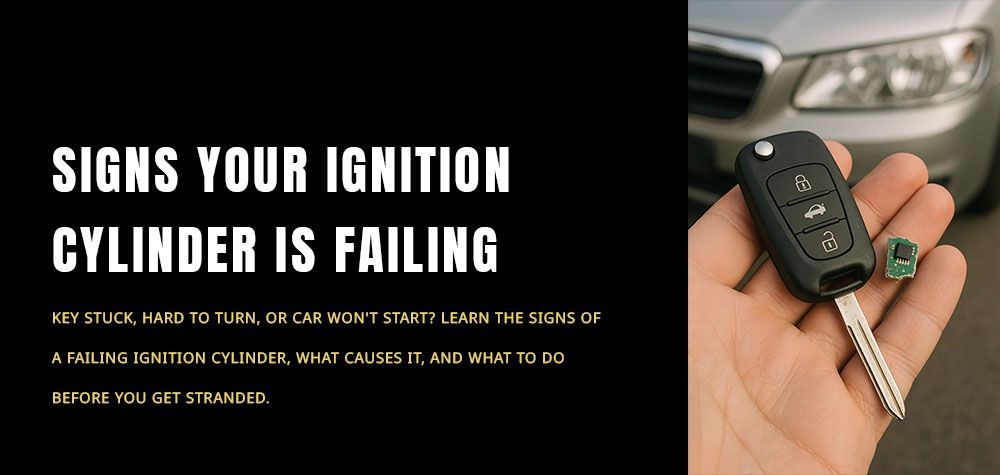
Introduced in the 1990s, these have a chip inside that communicates with your car’s immobilizer. Cutting a copy isn’t enough—they also need to be programmed.
Remote Key Fobs or Smart Keys (Push-to-Start)
Modern vehicles often use proximity fobs or smart keys. These are convenient—but also expensive and more complex to replace. They require both cutting and specialized programming.
Step 3: Gather the Information You’ll Need
Before anyone can replace your keys, they’ll need certain information to verify ownership and determine the correct key and programming.
Vehicle Identification Number (VIN): You’ll find this on the dashboard (driver’s side) near the windshield or inside the driver’s side door frame.
Make, model, and year of your car
Your ID and proof of ownership: Typically your registration or car title.
Pro tip: Always take a photo of your VIN and keep it stored on your phone—it’ll save you time in situations like this.
Step 4: Call a Professional—But Choose Wisely
A Professional Automotive Locksmith
This is usually your best bet. A certified locksmith can come to your location, cut a new key, and program it on the spot—often for less than the dealership.
The right locksmith will have the tools to:
Decode your locks and cut a new key
Program a transponder chip or smart fob
Save you the hassle (and cost) of towing
Make sure to choose a reputable locksmith with real reviews and proper credentials. Look for clear pricing, ID verification upon arrival, and a professional setup—not someone who shows up with a paperclip and pliers.
Step 5: Decide Whether You Need Just a New Key or Full Rekeying
If your keys were stolen (not just lost), it’s worth considering rekeying or reprogramming your car’s ignition system and locks. This ensures that whoever finds (or stole) your old keys won’t be able to use them.
Reprogramming your car's immobilizer and deleting old keys from the system is especially important for smart key or transponder-equipped cars.
Step 6: Get a Spare—Right Away
Once you’ve replaced your key and are back on the road, don’t make the same mistake twice. Ask your locksmith to make you a spare. Keeping a duplicate in a safe spot—like at home, with a trusted friend, or hidden in a magnetic box under the car—can save you hundreds of dollars and a lot of stress in the future.
Common Mistakes to Avoid When Replacing Lost Car Keys
Waiting too long to act: Thieves work fast. If you think your keys were stolen, act immediately.
Going straight to the dealership: Unless required, it's usually more expensive and slower than a mobile locksmith.
Not asking for upfront pricing: Scammers often use bait-and-switch tactics. Always confirm the cost before the work begins.
Skipping the spare key: One is none. Always have a backup.
Prevention Tips: How to Avoid Losing Your Keys Again
Let’s face it—we’re all human. But with a few habits and tools, you can make losing your keys far less likely:
Get a Bluetooth key tracker like Tile or Apple AirTag
Use a dedicated key hook at home and a consistent storage place in bags
Avoid handing keys to valets or mechanics without keeping track
Consider a keyless entry app if your car supports it
Final Thoughts: You’re Not Alone—But Be Smart About It
Losing all your car keys is frustrating, but it doesn’t have to be a disaster. Whether your key was traditional, transponder-based, or part of a smart system, there’s always a path forward—and in many cases, a locksmith can make that journey a whole lot smoother.
Just remember: act fast, stay calm, and work with a professional you trust. With the right help, you’ll be back behind the wheel before you know it.
Call Us Any Time!