

What You Need to Know if You Are Considering a Double Sided Deadbolt
August 11, 2021

If you’ve ever lived in a home or apartment with a deadbolt lock, you’re aware of the extra security that comes with it. Even if you didn’t understand how it worked, it simply
felt good
to have a door with two locks, like an extra layer of protection. But how safe are deadbolts, exactly? As a homeowner looking to protect family and valuables from intruders, it’s important to understand how different locks work, and which ones can provide you with the greatest security. In some cases, deadbolts aren’t nearly secure enough, and it’s time to consider the deadbolt’s jacked-up cousin: the double-sided deadbolt lock.
Most of us are familiar with deadbolts, the locks that typically rest above normal home lock and require an extra key to unlock from the outside. Conventional home locks (the first layer of security) typically use a spring bolt to hold the lock in place, and can be undone merely by turning the locking mechanism. Deadbolts, on the other hand, are locks that cannot be rotated without a key. This means that if a person was able to unlock a spring bolt using a key or other means, they would still be unable to open the door without using the deadbolt key, or having someone unlock the deadbolt from inside the home.
But are traditional deadbolts the most secure? Put briefly, no.
While deadbolts do require a key in order to turn the lock, this locking mechanism only works on the outside. This means that if an opened window was near the door, or if someone was able to break into the home through the back, the front door deadbolt could simply be opened through turning the lock on the inside. This is how single-cylinder deadbolts work. This is different from double-sided or double-cylinder deadbolts, which have a locking mechanism on both sides of the door, and require keys to turn the locks both inside and outside the door.
Locks play an important role in ensuring the safety and security of your home. While double-sided deadbolts are decidedly more secure, there are drawbacks to this added protection. When choosing the right lock for your home, it’s important to consid
er your needs first.
Efficiency:
The most obvious difference between traditional deadbolts and double-sided deadbolts is the ease of use. Since double-sided deadbolts require two keys, and someone to operate the lock from the inside, they’re decidedly more time consuming and difficult. Whereas single-cylinder deadbolts need only one key (and one person) to unlock the door. Even if someone was waiting to unlock the door from the inside, they would only need to thumb-turn the lock to open it, rather than using a key. This makes single-cylinder deadbolts more convenient and practical overall, explaining their popularity — but this doesn’t necessarily mean they’re safer.
Cost:
This is another area in which single-cylinder deadbolts prove superior. Since regular deadbolts are incredibly common and easy to install, they’re relatively cheap compared to double-sided deadbolts, which are more complex, requiring a.
Protection:
Although double-sided deadbolts are a bit of a hassle — and certainly more expensive — than regular deadbolts, that’s not to say they’re without their virtues. For one, double-sided deadbolts are the most secure lock. This is especially important if your front door is located near a window that can be easily opened or broken, or if the door itself is made of glass. With traditional deadbolts, intruders looking to enter your home would simply need to smash the glass and reach inside to thumb-switch the lock open. But with double-cylinder deadbolts, even if they managed to damage your home, the intruders would still be unable to enter without using the indoor key. This extra layer of security is also helpful in ensuring children don’t accidentally open the lock and wander outside, unsupervised.
But this added step of using an indoor key also makes double-sided deadbolts potentially dangerous. In the case of a fire, for instance, the time it takes to track down a key and turn the lock could be a matter of life and death. This lock also makes it incredibly difficult for emergency personnel to enter your residence, and could even prohibit you from escaping an outside threat.
There are an equal number of benefits and drawbacks to double-sided deadbolt locks, but whether they’ll work for you will ultimately depend on your needs as a homeowner. If crime is an issue in your area, or if you’re deeply concerned about the safety of your possessions, the double-sided deadbolt may be the way to go. But if you value efficiency and worry about access in the case of emergencies, single-cylinder deadbolts could provide all the protection you need.
Whether you’ve settled on getting a double-sided deadbolt or still have some doubts, Brothers Locksmith is here to walk you through the next steps. We specialize in an array of door locks, so check out our website
or call your local Brothers Locksmith today to get a quote!
Call Us Any Time!
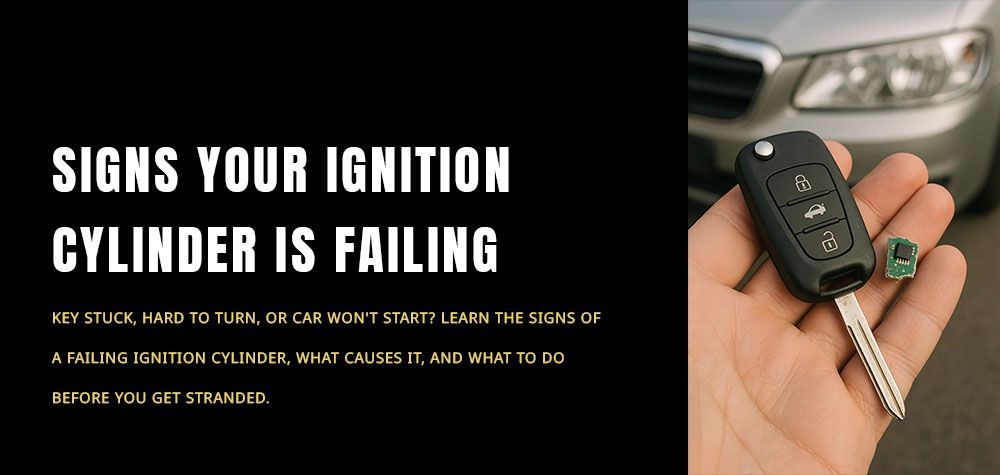
Key stuck, hard to turn, or car won't start? Learn the signs of a failing ignition cylinder, what causes it, and what to do before you get stranded.
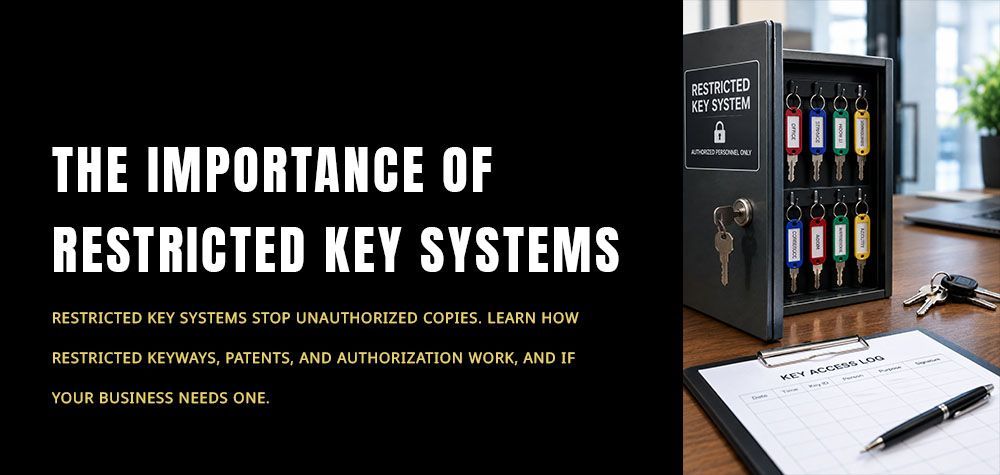
Restricted key systems stop unauthorized copies. Learn how restricted keyways, patents, and authorization work, and if your business needs one.
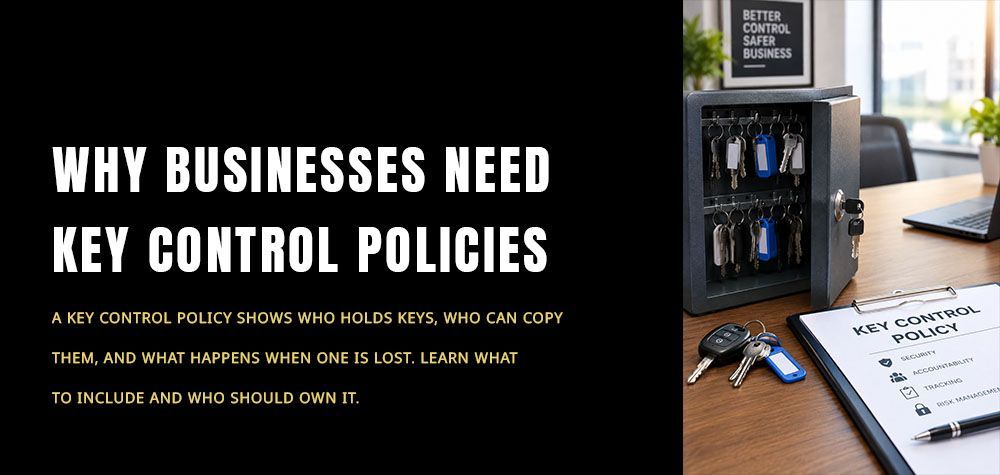
A key control policy shows who holds keys, who can copy them, and what happens when one is lost. Learn what to include and who should own it.
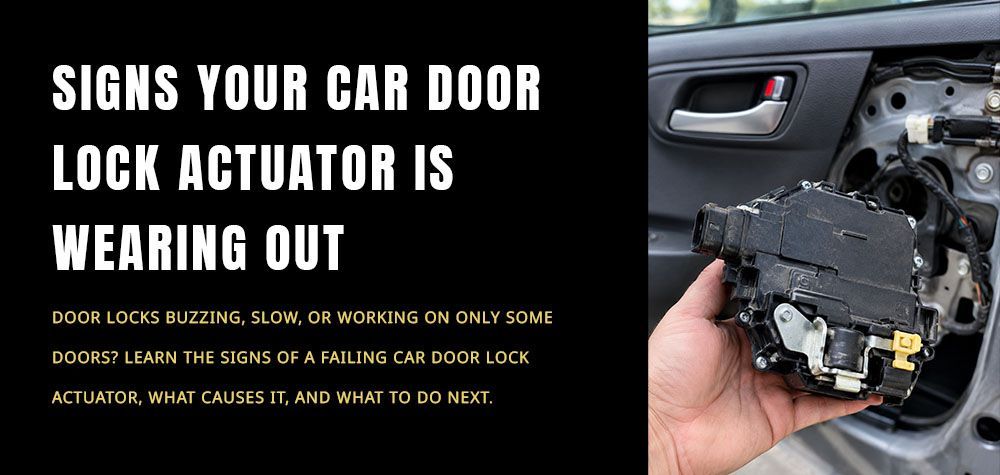
Door locks buzzing, slow, or working on only some doors? Learn the signs of a failing car door lock actuator, what causes it, and what to do next.
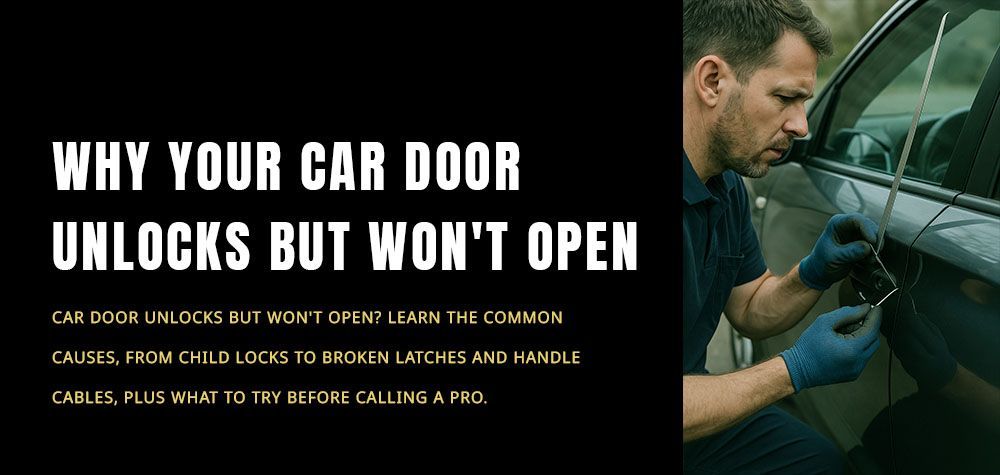
Car door unlocks but won't open? Learn the common causes, from child locks to broken latches and handle cables, plus what to try before calling a pro.
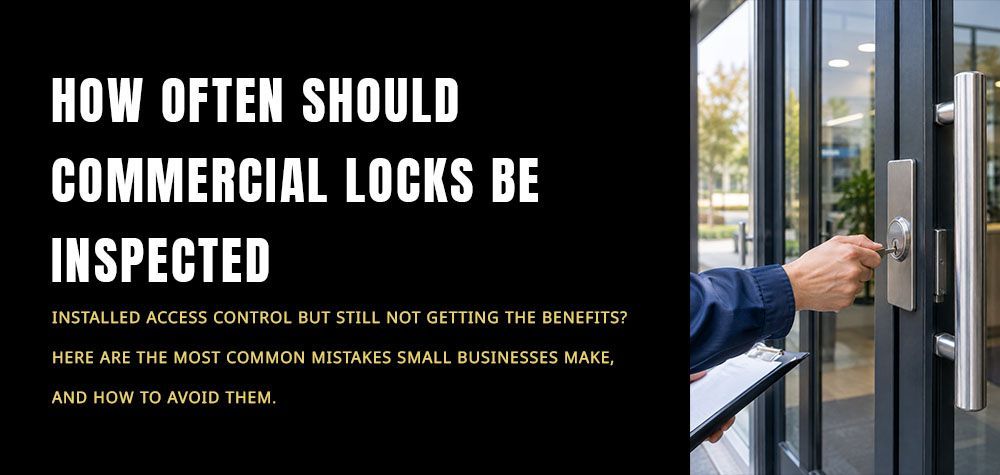
Waiting for a lock to fail costs more than checking it early. Here's how often to inspect commercial locks, and what events should trigger a check sooner.
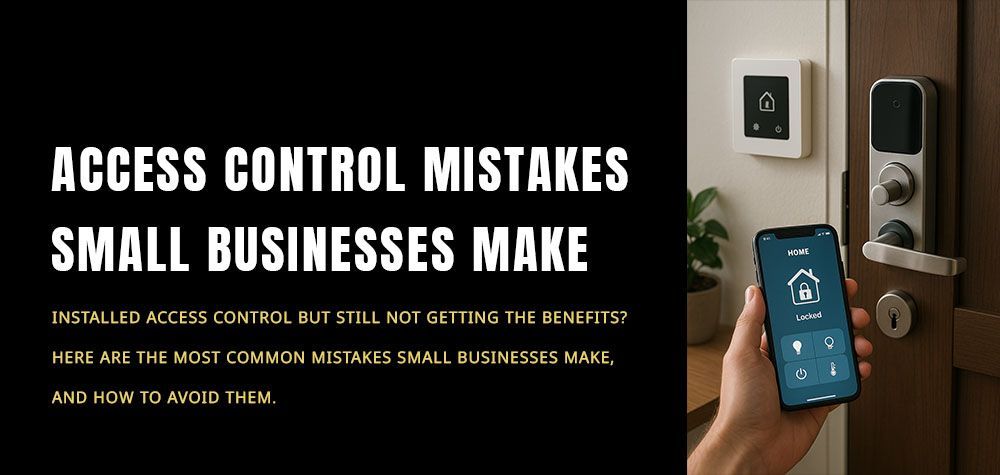
Installed access control but still not getting the benefits? Here are the most common mistakes small businesses make, and how to avoid them.
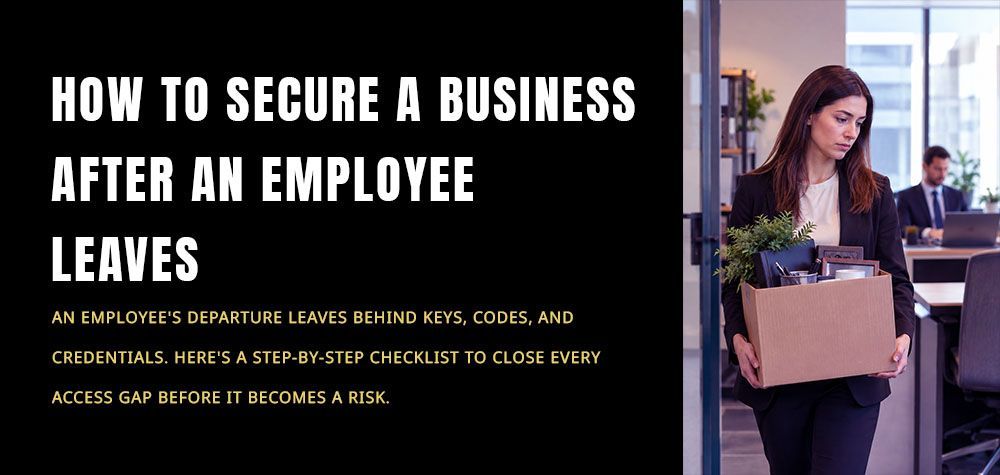
An employee's departure leaves behind keys, codes, and credentials. Here's a step-by-step checklist to close every access gap before it becomes a risk.