When and Why You Should Consider Changing Your Locks
Locks are your first line of defense against unauthorized access to your home or business. Whether you’ve recently moved into a new property, experienced a security breach, or simply want to upgrade to modern locking mechanisms, changing your locks is a crucial step in maintaining safety. But when is the right time to change your locks, and why is it so important? This guide will walk you through the key scenarios that require lock replacement and help you understand the benefits of upgrading your security.
How Long Does It Take to Rekey a Lock – Can I rekey a lock myself?
When Should You Consider Changing Your Locks?
1. Moving into a New Home or Apartment
One of the first things you should do when moving into a new home is change the locks. Even if the previous owner or tenant assures you that they handed over all keys, there’s no guarantee that extra copies don’t exist. Realtors, contractors, or even past occupants may still have access. Replacing the locks ensures that only you and those you trust can enter your home.
2. After a Break-In or Attempted Burglary
If your home or business has been broken into, it’s essential to change the locks immediately. Even if the intruder didn’t use a key, they may have damaged the locking mechanism or found a way to manipulate it. Installing new, high-security locks can provide peace of mind and prevent future intrusions.
3. Lost or Stolen Keys
Losing your keys is more than just an inconvenience—it’s a security risk. If your keys are lost or stolen, you have no way of knowing who might find them and attempt to use them. Replacing your locks immediately eliminates the possibility of an unknown individual gaining access to your property.
4. After a Tenant, Roommate, or Employee Moves Out
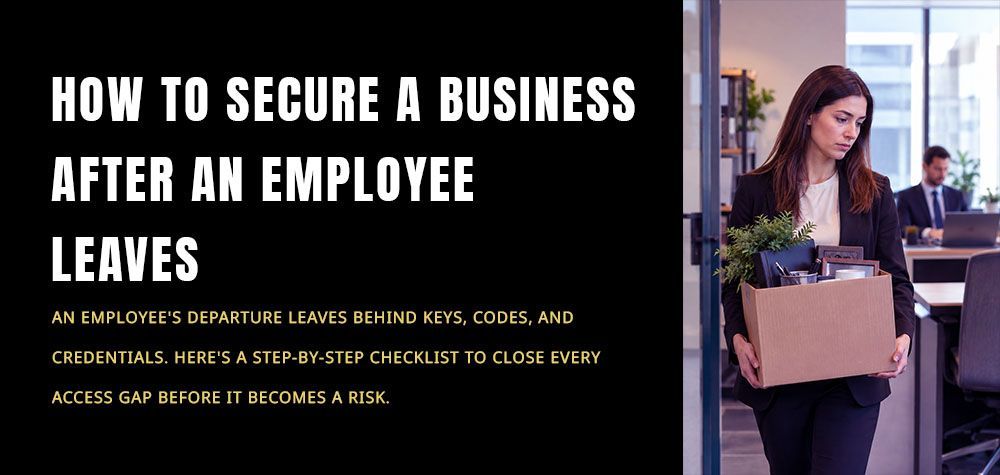
If you’ve rented out a property, had a roommate move out, or an employee leave your business, changing the locks is a smart security measure. Even if they return the keys, copies may exist. Replacing the locks ensures that only current occupants or employees have access.
5. Wear and Tear Over Time
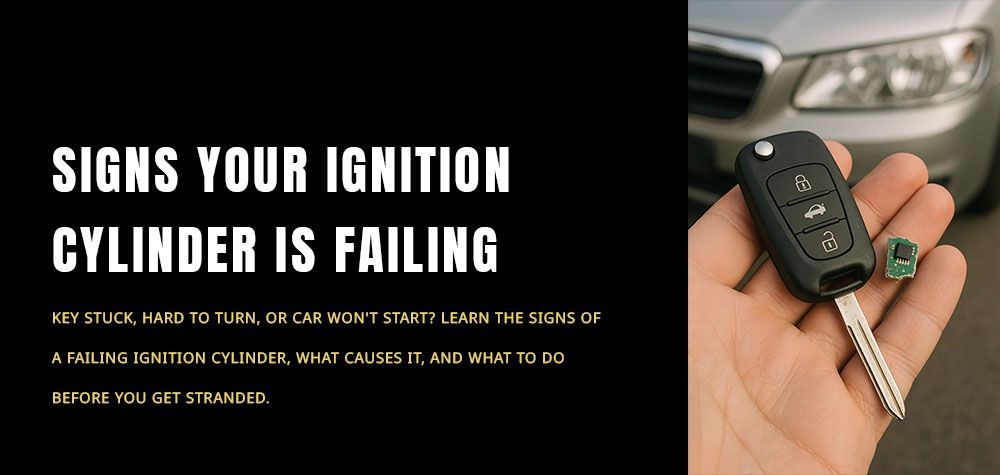
Locks, like any other mechanical device, wear out over time. Rust, corrosion, and daily use can weaken the internal components, making them easier to pick or break. If your lock sticks, is difficult to turn, or feels loose, it might be time for a replacement.
6. Upgrading to High-Security Locks
Technology has come a long way, and older locks may not provide the security level you need. High-security locks, such as smart locks, biometric locks, or deadbolts with advanced security features, offer enhanced protection against lock picking and unauthorized access.
7. Following a Divorce or Breakup
In emotionally challenging situations such as a breakup or divorce, changing your locks can help you feel safer. Even if the separation was amicable, it’s wise to ensure that only those currently living in the home have access.
8. After Losing Track of Spare Keys
If you’ve distributed spare keys to friends, neighbors, or service providers over the years and have lost track of who has them, changing your locks resets access control. This prevents unauthorized entry by anyone who might still have a copy.
9. If You’ve Experienced Lock Tampering
If you notice signs of tampering, such as scratches around the keyhole, difficulty inserting the key, or unexpected malfunctioning, someone may have attempted to pick your lock. In this case, immediate replacement with a more secure lock is advisable.
Why Should You Change Your Locks?
1. Enhanced Security and Peace of Mind
The primary reason to change your locks is to ensure your safety. Knowing that you have complete control over who has access to your property allows you to feel more secure in your home or business.
2. Protection Against Unauthorized Access
Changing locks eliminates the risk of old keys being used by unauthorized individuals. Whether it’s a former tenant, an ex-employee, or someone who found a lost key, replacing your locks ensures that only you and your trusted contacts can enter.
3. Improved Lock Technology and Durability
Older locks are more vulnerable to lock picking, bumping, or forced entry. Modern locks are designed with advanced security features, making them much harder to manipulate. By upgrading your locks, you significantly improve the security of your property.
4. Customizing Your Security Needs
Every property has different security needs. Whether you require smart locks with remote access, keyless entry systems, or reinforced deadbolts, changing your locks allows you to customize security features to fit your lifestyle.
5. Boosting Property Value and Appeal
If you’re a homeowner planning to sell, upgrading to high-quality locks can increase your property’s value. Potential buyers appreciate modern security features, making your home more attractive in the real estate market.
6. Insurance Benefits
Some insurance policies require updated locks for coverage, especially after a break-in. Installing high-security locks may even reduce your insurance premiums, as they lower the risk of unauthorized entry.
7. Convenience and Ease of Use
Newer lock systems, especially smart locks, offer enhanced convenience. Features like keyless entry, remote access, and integration with security systems make daily life easier and more secure.
How to Change Your Locks: DIY vs. Hiring a Professional
DIY Lock Replacement
If you’re comfortable with basic tools and mechanics, you can replace standard locks on your own. Many hardware stores sell lock kits with step-by-step instructions. However, be cautious—improper installation can lead to security vulnerabilities.
Hiring a Professional Locksmith
For maximum security, hiring a professional locksmith is the best option. A locksmith can assess your security needs, recommend the best locks, and ensure proper installation. They can also rekey locks if full replacement isn’t necessary, saving you money while improving security.
Conclusion:
Changing your locks is a crucial aspect of home and business security. Whether you’re moving into a new place, dealing with lost keys, upgrading to better security, or responding to a security threat, timely lock replacement ensures that you remain in control of who has access to your property. Don’t wait for an emergency—proactively updating your locks can prevent potential security breaches and provide lasting peace of mind. If you’re unsure about the best locks for your needs, consult a professional locksmith to explore your options.
Call Us Any Time!