

Which Doors in My Home Should Have a Lock?
May 17, 2021
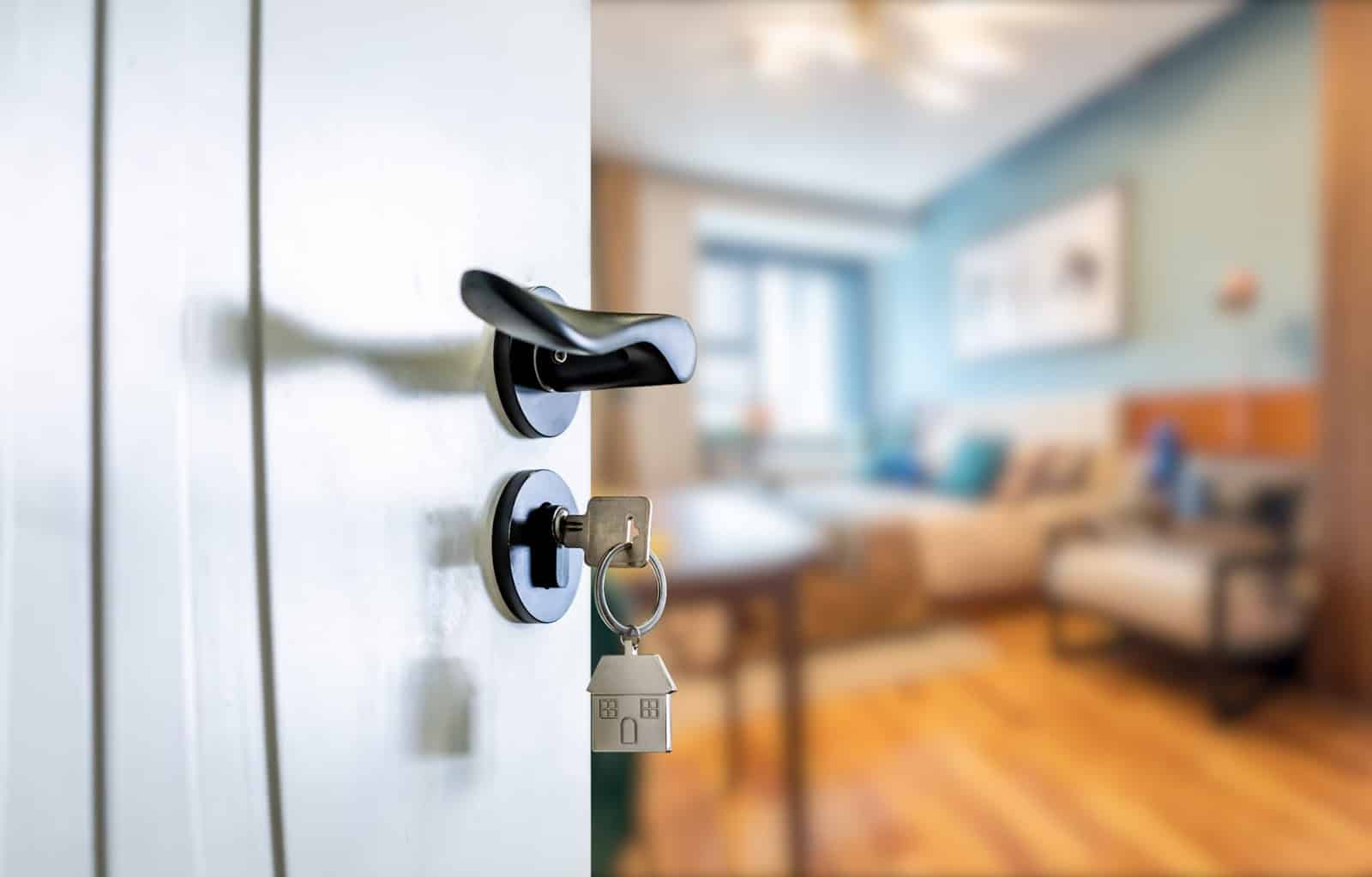
Though door locks seem like a given in most households, many inside doors come without locks, and the level of lock security required varies depending on the location of the door. Read on to learn about what doors require locks in your household!
Doors that Require Locks
Front and Back Doors
How are thieves entering your home? The answer may surprise you. They aren't sneaking down the chimney or creeping in through your basement window; most of them simply walk right up to your door and smash their way through it.
It may be hard to believe, but the stats back it up:
- 34% of burglars break in through the front door
- 22% gain entry using the back door
- 9% get in via the garage
In short: 65% of burglaries involve a criminal being able to defeat your front door security. As such, it’s crucial to have a high-security lock on your front and back doors.
Bedroom Doors
Many new parents wonder if their children need locks on their bedroom doors. Once your kids are older, they will want privacy, but a locked door could be a safety issue when they’re younger. For this reason, consider installing a handle with no lock until your child expresses they want a locking door.
When installing a lock on your child’s door, ensure it is a “privacy lock.” These locks do not require a key to open and generally allow a way for them to be opened from the outside with minimal effort. This will afford minor privacy desired but also make access possible in case of an emergency.
Important Cabinets and Drawers
Every household is also home to myriad commonplace hazards: the cleaning chemicals we keep under the sink, the nail polish remover in your bathroom cabinet, that drawer filled with small knick-knacks. From the perspective of a toddler or dog, these holding spots seem mysterious and fun — but their contents can be lethal. If you live with small children or pets, it’s important to think of their safety first and secure every door, cabinet, and drawer that contains items that can be dangerous. As a general rule, this includes cleaning supplies, hygiene products, alcohol, batteries, coins, knives, and other sharp objects. Really anything that would be hazardous if swallowed. To secure these spaces, consider adding a simple baby-proof lock or a deadbolt lock that requires a key to those doors leading outside that toddlers or pets can easily open.
Pet Doors
Unfortunately for pet owners, your pet door is convenient access to the home for more than just your cat or dog. To potential burglars, this door is also an opportunity to access the home. They might not fit through the door itself, of course, but they can stick their heads through to get a better understanding of the space, fit tools through the gap, or even widen the door without too much trouble. As such, it’s important to purchase a pet door with a built-in electronic lock, or one with its own security monitoring system.
Ask a Locksmith
If you’re still unsure if certain doors within your home require locks, that’s perfectly fine! Just call up one of the expert locksmiths at Brothers Locksmith. We’ll answer all of your security questions and work with your family to solve any gaps in safety.
Call Us Any Time!
Key stuck, hard to turn, or car won't start? Learn the signs of a failing ignition cylinder, what causes it, and what to do before you get stranded.
Restricted key systems stop unauthorized copies. Learn how restricted keyways, patents, and authorization work, and if your business needs one.
A key control policy shows who holds keys, who can copy them, and what happens when one is lost. Learn what to include and who should own it.
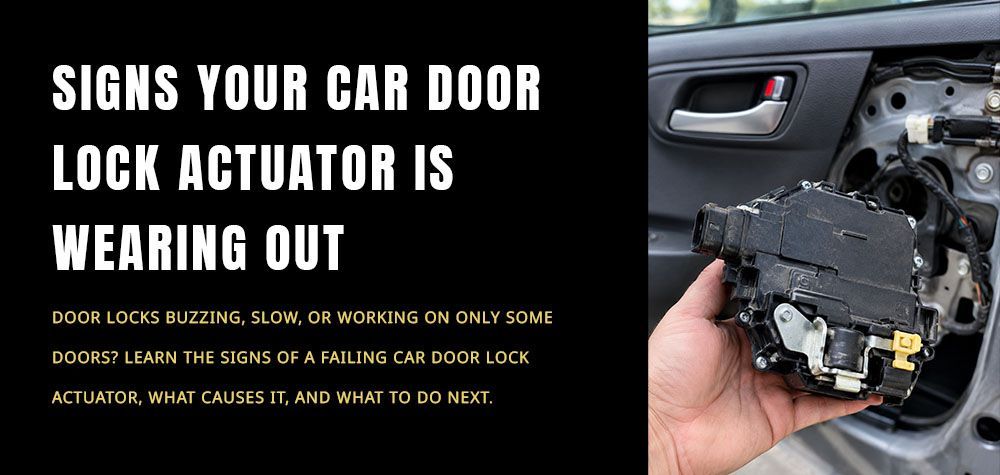
Door locks buzzing, slow, or working on only some doors? Learn the signs of a failing car door lock actuator, what causes it, and what to do next.
Car door unlocks but won't open? Learn the common causes, from child locks to broken latches and handle cables, plus what to try before calling a pro.
Waiting for a lock to fail costs more than checking it early. Here's how often to inspect commercial locks, and what events should trigger a check sooner.
Installed access control but still not getting the benefits? Here are the most common mistakes small businesses make, and how to avoid them.
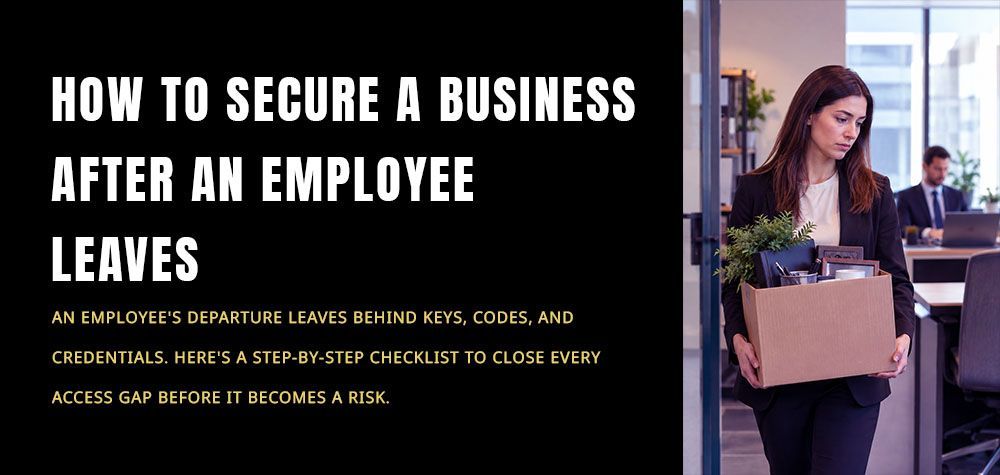
An employee's departure leaves behind keys, codes, and credentials. Here's a step-by-step checklist to close every access gap before it becomes a risk.