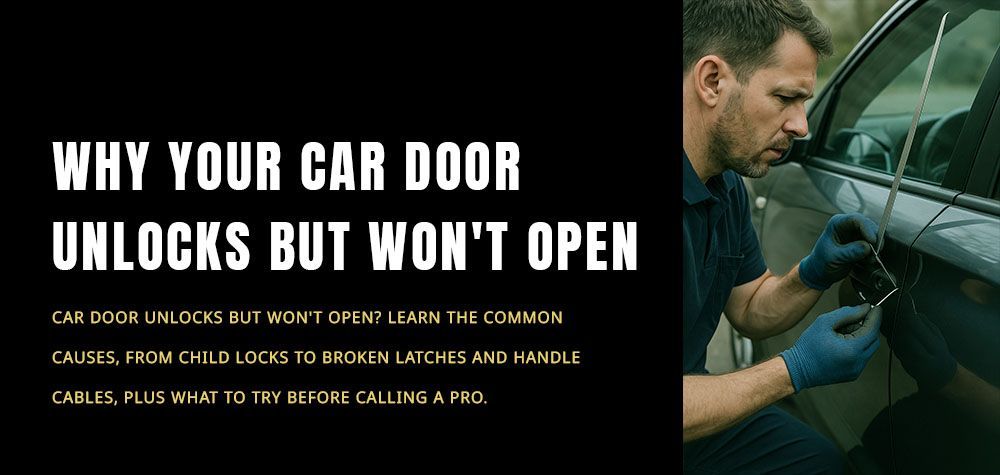
Why Is My Car Door Not Opening
When faced with a car door that refuses to open, it can be frustrating and potentially alarming. Several factors could contribute to this issue, ranging from mechanical malfunctions to environmental conditions. Firstly, it's essential to remain calm and assess the situation carefully. If the door doesn't open from the inside, try unlocking it manually or using the key fob. If that doesn't work, consider the possibility of a jammed door latch, corrosion, or structural damage to the door itself.
In some cases, the safety lock might be engaged, preventing the door from opening. Additionally, if your vehicle has a deadlocking feature, it could further complicate matters by securing the door tightly. Furthermore, check for any damage to the interior door handle or malfunctioning power door locks. Lastly, extreme weather conditions, such as freezing temperatures, can cause the door to become stuck.
Read more about how much does a car lockout service cost?
Why Won’t My Car Door Open From the Inside?
Jammed Door Latch
A jammed door latch is a common culprit when facing difficulties with car doors not opening from the inside. This issue often arises due to a mechanical malfunction within the latch mechanism, preventing it from releasing properly. It could result from debris or foreign objects obstructing the latch's movement or internal components becoming worn out over time. When confronted with a jammed door latch, it's crucial to refrain from applying excessive force, as it may exacerbate the problem or cause damage to the door. Instead, employing gentle maneuvers, such as jiggling the door handle or manually manipulating the latch mechanism, can sometimes resolve the issue temporarily. However, for a lasting solution, it's advisable to seek professional assistance to inspect and repair the latch mechanism thoroughly.
Corrosion
Corrosion can be a significant factor contributing to car door issues, particularly if the vehicle is exposed to harsh environmental conditions or lacks proper maintenance. Over time, moisture, road salt, and other corrosive elements can cause metal components of the door mechanism to rust and deteriorate. When corrosion affects crucial parts like the door latch or hinges, it can impede their smooth operation, leading to difficulties in opening and closing the door. Additionally, corrosion may weaken structural integrity, posing safety risks in the event of a collision. To address corrosion-related door problems, regular inspection and lubrication of door components, along with prompt treatment of any signs of rust, are essential preventive measures. In severe cases, professional intervention may be necessary to repair or replace corroded parts to ensure proper functionality and safety.
There’s Structural Damage to the Door
When structural damage occurs to a car door, whether from a collision, vandalism, or other causes, it can severely affect its ability to open and close properly. Damage to the door frame, hinges, or panels can lead to misalignment or warping, preventing the door from functioning correctly. Even minor dents or bends can interfere with the door's movement and alignment with the door frame, causing it to get stuck or difficult to open.
Structural damage may also compromise the integrity of the door, posing safety risks in the event of another impact. In some cases, structural damage may extend to internal components, such as the door latch or locking mechanism, exacerbating the problem.
Addressing structural damage typically requires professional inspection and repair. Depending on the extent of the damage, repairs may involve realigning the door, replacing damaged panels or hinges, or even repairing the underlying frame. Prompt attention to structural issues is crucial to restore the door's functionality and ensure the vehicle's safety and security.
The Safety Lock Is Engaged
When the safety lock is engaged in a car door, it serves as a precautionary measure to prevent accidental opening, particularly while driving. However, if the safety lock is activated inadvertently or if there's a malfunction, it can result in difficulty opening the door from both the inside and outside.
The safety lock is typically controlled by a switch or lever located near the door latch or handle. When engaged, it prevents the door from being opened, even if the interior handle or exterior handle is pulled. This feature is especially important for child safety and to prevent unauthorized access to the vehicle.
If the safety lock is the cause of the door not opening, it can usually be resolved by locating and disengaging the lock mechanism. This may involve manually flipping a switch or pressing a button, depending on the vehicle's design. However, if there's a malfunction with the safety lock mechanism, professional inspection and repair may be necessary to ensure proper functionality and safety.
You’re Deadlocked
When a car door is deadlocked, it means that the locking mechanism is engaged in a way that prevents the door from opening, even when attempting to use the interior or exterior handles. Deadlocking is often intentional and designed to enhance security by making it more difficult for intruders to gain access to the vehicle.
Deadlocking typically occurs when the door is locked using a key or remote fob, and then the handle is pulled before unlocking it. In this situation, the door remains locked internally, and the handle is unable to retract the locking mechanism, effectively deadlocking the door.
To resolve a deadlock situation, it may be necessary to use the key or remote fob to unlock the door from the outside. In some cases, manually unlocking the door from the inside may also release the deadlock. However, if neither method works, professional assistance may be required to safely open the door without causing damage to the locking mechanism or door panel.
Read more about
why wont my key turn in car ignition?
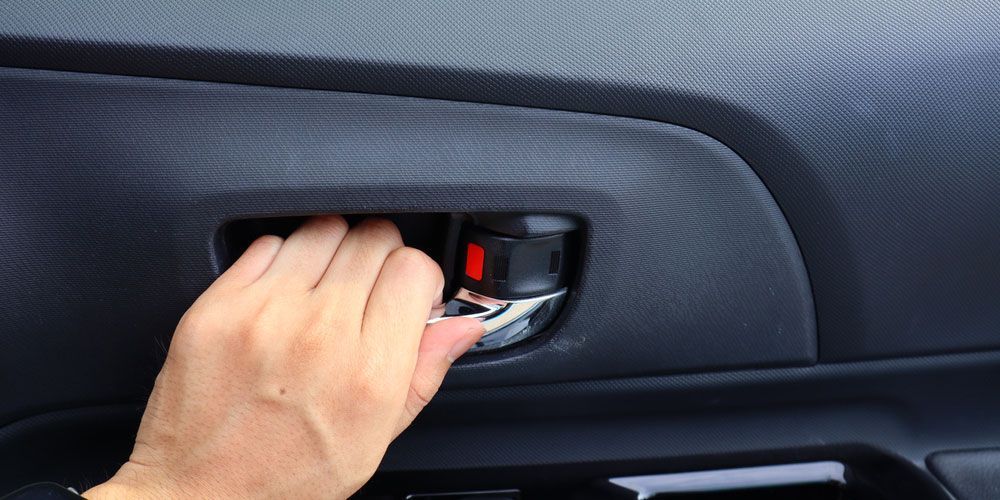
Damaged Interior Door Handle
A damaged interior door handle can also contribute to difficulty in opening a car door. Over time, interior door handles can wear out due to frequent use, exposure to environmental elements, or physical damage. When a door handle is damaged, it may not properly engage with the door latch mechanism, making it challenging to open the door from the inside.
Common issues associated with damaged interior door handles include broken levers, cracked or fractured components, or worn-out mechanisms. These problems can result in the handle feeling loose, stiff, or unresponsive when attempting to open the door.
In some cases, a damaged interior door handle may be repairable by replacing individual components or performing minor adjustments. However, if the damage is extensive or affects the structural integrity of the handle, it may be necessary to replace the entire assembly to restore functionality.
Read more about top methods to rekey a car door lock!
Defective Power Door Lock
A defective power door lock can also be a culprit behind a car door not opening properly. Power door locks rely on an electrical system to engage and disengage the locking mechanism, allowing for convenient locking and unlocking of the vehicle's doors. When a power door lock malfunctions, it may prevent the door from unlocking, effectively trapping occupants inside the vehicle.
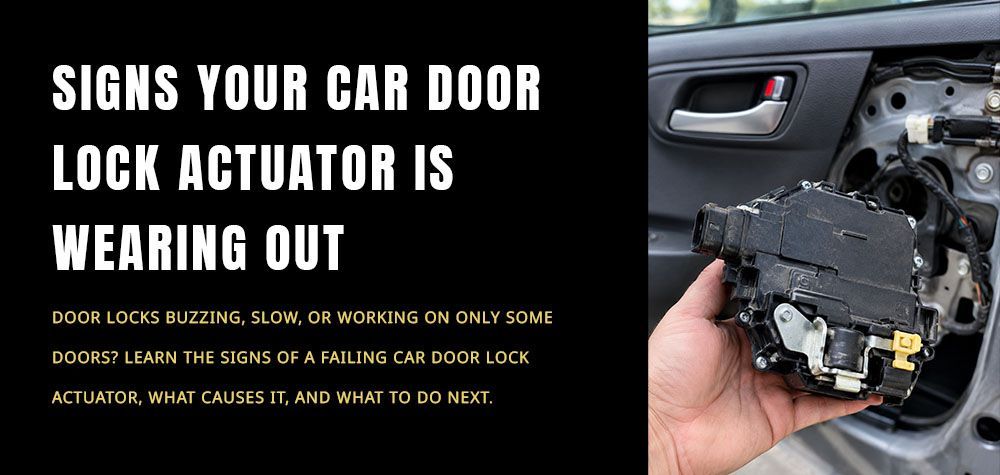
Common issues associated with defective power door locks include electrical failures, damaged wiring, faulty actuators, or issues with the central locking system. These problems can manifest as doors failing to unlock when using the key fob, interior door switches, or automatic locking features.
Diagnosing and repairing a defective power door lock often requires specialized knowledge and tools, making it a task best left to professional automotive technicians. They can perform diagnostic tests to pinpoint the exact cause of the malfunction and perform repairs or replacements as necessary to restore functionality.
The Door’s Simply Frozen
If your car door is not opening and the weather is cold, especially during winter, it's possible that the door is simply frozen shut. Sub-zero temperatures can cause moisture to freeze around the door seals and hinges, effectively sealing the door shut. This can happen particularly if there's moisture present from rain, snow, or condensation.
To address a frozen car door:
- Thawing: Attempt to thaw the door by directing warm air onto the frozen areas. You can use a hairdryer, heat gun, or even warm water (if it's not too cold outside). Be cautious with using water as it can refreeze quickly and potentially cause further issues.
- Deicing Products: Apply a commercial deicer or a homemade solution (such as a mix of water and rubbing alcohol) to the frozen areas. These products can help melt the ice and facilitate the opening of the door.
- Preventive Measures: To prevent future occurrences, consider using silicone-based lubricants on the door seals and hinges to reduce the likelihood of moisture accumulation and freezing.
How to Get Out of a Car That Won’t Open
Honk the Horn
Honking the horn can be a simple yet effective way to alert others to your situation if you find yourself trapped inside a car with a door that won't open. By sounding the horn repeatedly, you can attract the attention of passersby or nearby pedestrians who may be able to assist you.
However, honking the horn should be done judiciously, especially in residential areas or places where excessive noise may be disruptive or alarming to others. It's also important to keep in mind that honking the horn may not always guarantee immediate help, so it's advisable to explore other options simultaneously while attempting to get out of the car.
Call for Help
If you have a mobile phone within reach, dialing emergency services or contacting someone you know for assistance can be an effective way to get help quickly. Emergency dispatchers can guide you through the situation and may send assistance if needed. Additionally, if you're in a parking lot or near establishments, alerting nearby individuals by shouting or attracting attention can also prompt someone to assist you. Call Brothers Locksmith as we are 24/7 round the clock.
Breaking the Glass
Breaking a window may be necessary in emergencies when other methods fail, especially if time is of the essence. However, it should be considered a last resort due to safety concerns and potential damage to the vehicle. If you choose to break a window, aim for the side or rear windows rather than the windshield, as side and rear windows are typically easier to break and less likely to cause injury from flying glass. Use a heavy object or a specialized tool designed for breaking car windows, such as a glass breaker or an emergency hammer. Always exercise caution to minimize the risk of injury to yourself and others.
Wiggle Out of the Trunk
Wiggling out of the trunk can be a viable option if you're unable to open the car door from the inside and the trunk is accessible. Here's how you can do it:
- Assess the Situation: Determine if the trunk is the safest and most accessible way to exit the vehicle. Ensure there are no obstructions blocking your path and that you can safely exit without injuring yourself.
- Locate the Trunk Release Lever: Most modern cars are equipped with an interior trunk release lever located near the trunk latch or inside the trunk itself. If your car has this feature, activate it to open the trunk from the inside.
- Escape through the Trunk: Once the trunk is open, carefully climb into the trunk space. Be cautious of any items or debris inside the trunk that may obstruct your path. Once inside, locate the emergency trunk release handle. In some vehicles, this handle may glow in the dark or be marked with a reflective label for easy identification.
- Activate the Emergency Trunk Release: Pull the emergency trunk release handle to open the trunk from the inside. This mechanism is designed to allow individuals trapped inside the trunk to escape easily.
- Exit the Vehicle: Once the trunk is open, carefully exit the vehicle through the trunk opening. Be mindful of your surroundings and any potential hazards outside the vehicle.
- Seek Assistance: After safely exiting the vehicle, seek assistance from nearby individuals or call for help if needed. Inform others of your situation and location to ensure prompt assistance.
Precautionary Measures
Precautionary measures can help prevent situations where you find yourself unable to open your car door from the inside. Here are some tips to consider:
- Regular Maintenance: Schedule regular maintenance checks for your vehicle, including inspecting door latches, handles, and locks. Address any issues promptly to ensure they are in good working condition.
- Keep Doors Lubricated: Apply lubricant to door hinges, latches, and locks regularly to prevent them from becoming stiff or corroded, especially in harsh weather conditions.
- Check for Corrosion: Inspect door components for signs of corrosion, particularly in areas prone to rusting. Address any corrosion promptly to prevent it from affecting the functionality of the door.
- Avoid Slamming Doors: Avoid slamming car doors shut, as this can cause misalignment or damage to the door latch mechanism over time. Close doors gently to ensure they latch properly.
- Monitor Door Operation: Pay attention to any unusual sounds or sensations when opening or closing car doors, as these could indicate underlying issues. Investigate and address any abnormalities promptly.
- Know Your Vehicle: Familiarize yourself with the location of the interior trunk release lever and emergency trunk release handle in your vehicle. This knowledge can be invaluable in emergency situations.
- Carry Emergency Tools: Consider keeping emergency tools such as a flashlight, seatbelt cutter, or window breaker within easy reach in your vehicle. These tools can be useful in situations where you need to exit the vehicle quickly.
- Stay Calm: In the event that you're unable to open your car door from the inside, remain calm and assess the situation. Avoid panicking, as this can impede your ability to think clearly and take appropriate action.
Conclusion
In conclusion, encountering a situation where your car door won't open from the inside can be frustrating and potentially dangerous. However, by understanding the possible causes and taking precautionary measures, you can mitigate the risk and ensure your safety. Regular maintenance, checking for corrosion, and knowing how to respond in emergency situations are key steps to preventing and addressing issues with car door operation. Remember to stay calm, assess the situation, and take appropriate action to resolve the issue safely. By following these guidelines, you can enhance your readiness and confidence when facing unexpected challenges with your car doors.
Call Us Any Time!