Why Vacation Homes Need Different Security Than Primary Homes
A vacation home feels like an escape. It’s where routines slow down, weekends stretch longer, and life feels lighter. But from a security perspective, a vacation home lives in a very different reality than your primary residence.
At Brothers Locksmith, we’re often called after something has already gone wrong—an unexpected break-in, missing items, or a door that was forced weeks ago without anyone noticing. What surprises homeowners most is not that it happened, but how long it went undetected.
Vacation homes don’t fail at security because owners don’t care. They fail because they’re protected like primary homes—when they need something entirely different.
How Burglars Choose Houses & What You Can Do
Absence Changes Everything
The biggest difference between a vacation home and a primary home is presence.
Primary homes have daily activity. Doors open and close. Lights turn on. Neighbors notice movement. Packages are collected. Small issues are caught early.
Vacation homes sit empty—sometimes for weeks or months. A lock that starts sticking, a door that doesn’t fully latch, or a window that shifts out of alignment can remain unnoticed for a long time. That silence creates opportunity.
Burglars understand this. They target homes where delayed discovery works in their favor.
Delayed Discovery Is a Burglar’s Best Advantage
When something goes wrong at a primary home, it’s noticed quickly. At a vacation home, damage can sit quietly.
A forced door may be closed again. A broken lock may still “sort of” work. An unlocked entry may never raise alarms.
By the time the owner arrives, evidence is cold and losses are permanent.
At Brothers Locksmith, vacation-home break-ins are often worse—not because they’re more violent, but because they go unchecked.
Traditional Locks Aren’t Enough for Long Vacancies
Many vacation homes still rely on standard keyed locks that were installed years ago. Over time, keys get shared with cleaners, property managers, guests, neighbors, or contractors.
Even when access is meant to be temporary, keys tend to linger.
This creates uncertainty. Homeowners don’t actually know who still has access—and there’s no easy way to change that without replacing or rekeying locks.
For a property that sits empty, that unknown access is a serious risk.
Environmental Exposure Accelerates Lock Wear
Vacation homes often face harsher environmental conditions than primary residences.
Coastal homes deal with salt air and corrosion. Mountain homes face freezing temperatures and shifting frames. Rural properties endure dust, humidity, and pests.
Locks, doors, and frames degrade faster when they aren’t used regularly or maintained frequently. When no one is around to feel stiffness or hear grinding, problems escalate silently.
By the time someone returns, the lock may already be compromised.
Smart Access Makes More Sense When You’re Not There
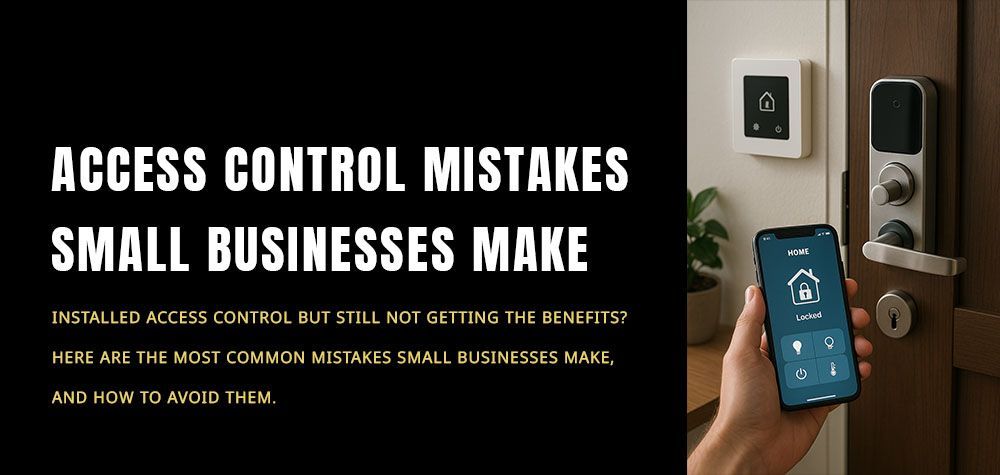
For vacation homes, smart locks aren’t just convenient—they’re practical.
Being able to control access remotely, assign temporary codes, and revoke entry instantly changes how security works. Instead of wondering who has a key, you know exactly who can enter and when.
At Brothers Locksmith, we often recommend smart locks for vacation properties—but only when paired with strong doors, proper installation, and backup access plans.
Technology helps, but only when it’s built on solid fundamentals.
Are Your Security Cameras Useless Without Strong Locks?
Physical Reinforcement Matters More Than Gadgets
Vacation homes need stronger physical security than primary homes, not more gadgets.
Reinforced doors, upgraded strike plates, solid frames, and proper alignment matter more than cameras alone. Surveillance may record activity, but it doesn’t stop entry.
Locks that resist force and doors that don’t flex under pressure are what buy time and deter intrusion—especially when no one is around to respond.
Neighbors Can Help, But They’re Not a System
Many owners rely on neighbors to “keep an eye on things.” While helpful, this is informal and inconsistent.
Neighbors don’t test locks. They don’t inspect doors. They don’t know when something feels off.
Security that depends on goodwill instead of design is fragile. Vacation homes need systems that function independently.
Insurance Expectations Are Often Higher
Insurance companies often treat vacation homes differently. Claims may require proof of forced entry or evidence of maintained security.
If a lock fails due to neglect or wear, coverage may be limited.
Proactive locksmith inspections, upgrades, and documentation can make a significant difference if something goes wrong.
Why Vacation Homes Deserve a Security Strategy of Their Own
A vacation home isn’t just a second home—it’s a long-term absence wrapped in trust.
Security needs to account for time, distance, weather, shared access, and delayed response. Treating it like a primary residence leaves gaps that burglars understand well.
At Brothers Locksmith, we approach vacation properties differently. We focus on durability, access control, reinforcement, and low-maintenance reliability—because when you’re not there, your locks have to do more.
Conclusion: Security Should Work Even When You’re Away
Vacation homes are meant to bring peace, not stress. But peace of mind only exists when security is designed for reality—not routine.
If your vacation property is secured the same way as your primary home, it’s likely underprotected.
A professional locksmith can help evaluate risks you don’t see, strengthen entry points, and create access systems that work even when you’re miles away.
Brothers Locksmith helps vacation homeowners protect what matters—quietly, reliably, and long after you’ve left.
Call Us Any Time!