Why You Should Never Hide a Spare Key Under the Mat (And What to Do Instead)
We've all done it—or at least thought about doing it. Hiding a spare key under the welcome mat seems like a simple, clever backup plan for those “oops, I forgot my keys” moments. But in reality, this common habit is one of the riskiest things you can do for your home security.
In today’s world, where break-ins happen in seconds and burglars know exactly where to look, hiding your key under the mat is practically an open invitation. In this article, we’ll explore why this outdated practice is so dangerous, the risks involved, and—most importantly—safer, smarter alternatives that keep your home and family protected.
"How Often Should You Replace Your House Locks?"
Why It’s a Bad Idea: Burglars Already Know the Trick
Let’s be honest: if you can think of hiding a key under your doormat, so can anyone else. In fact, it’s the first place a thief checks. After years of homeowners relying on this trick, burglars have caught on—and now it’s the easiest way for them to let themselves right in.
You're not being discreet; you're being predictable. And predictability is a gift to anyone looking to get inside without permission.
It’s Not Just Under the Mat—Other Obvious Spots Are Just as Risky
Some people get creative, thinking they’ll outsmart intruders by hiding keys in flower pots, fake rocks, mailboxes, outdoor light fixtures, or beneath loose bricks. But let’s face it—these spots have become security clichés. Professional burglars (and even amateur ones) are trained to check all the common hiding places within moments of arriving.
Even if you think you've found a "secret" spot, chances are it's already on a burglar's checklist.
The Real Risks: More Than Just Stolen Property
When someone uses your spare key to enter your home, it’s not just about theft. Here are some deeper consequences:
Violation of privacy: Knowing someone got in without breaking anything can feel deeply unsettling.
Increased vulnerability: Once inside, a burglar can disable alarms, unlock other doors, and come back later.
Insurance complications: Some insurance policies may not cover a break-in if there’s no sign of forced entry—meaning you could be left footing the bill.
A simple shortcut today could become a huge regret tomorrow.
What to Do Instead: Safer Alternatives for Spare Keys
Now, we’re not saying you shouldn’t have a backup plan. Everyone gets locked out now and then. But there are much safer and smarter ways to handle it.
1. Give a Key to Someone You Trust
A close friend, relative, or neighbor can be your “just-in-case” person. Make sure it’s someone responsible and nearby.
2. Invest in a Lockbox with a Code
Mount a secure lockbox in a discreet but protected area. These boxes require a code to open and are designed to withstand weather and tampering. Change the code regularly for added security.
3. Upgrade to a Smart Lock
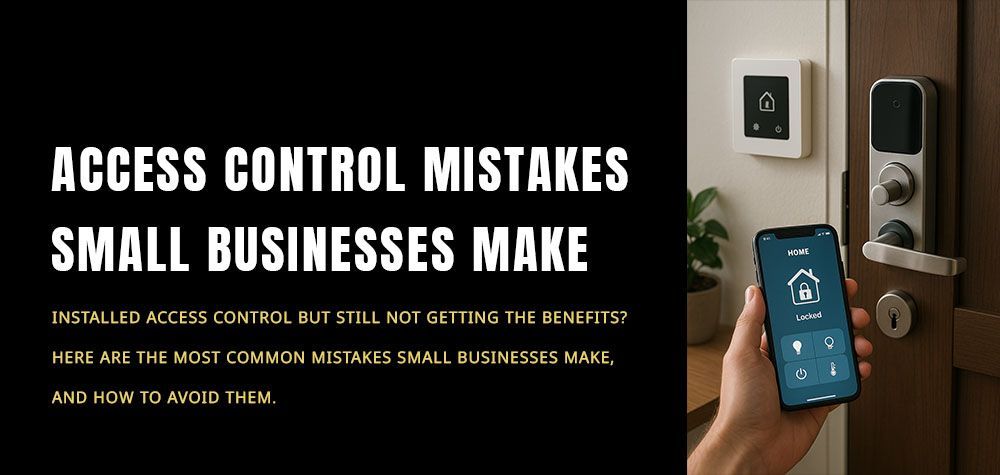
Smart locks eliminate the need for spare keys entirely. You can unlock your door using a smartphone app, keypad, or even fingerprint. Plus, you can give temporary access to guests or service workers without handing out physical keys.
This isn't just a security improvement—it’s a lifestyle upgrade.
Don’t Wait for a Break-In to Rethink Your Strategy
Far too many people wait until they’ve been robbed to take home security seriously. But being proactive is always better than reacting after damage has been done. If you’re still hiding a key under the mat (or in any other obvious place), it’s time to rethink your strategy now.
Consider it like canceling a bad habit: today’s small change could prevent tomorrow’s disaster.
Conclusion:
Hiding a key under the mat might seem harmless, but it’s one of the biggest home security risks you can take. It’s predictable, easy to exploit, and leaves you exposed to much more than just a missing laptop or TV.
Fortunately, with today’s technology and smarter practices, you have better options. Whether it’s giving a key to someone you trust, installing a lockbox, or upgrading to a smart lock, you can protect your home without sacrificing convenience.
So, ditch the mat trick—and upgrade your peace of mind.
Call Us Any Time!