Why Your Car’s Key Fob Stopped Working & How to Fix It
Imagine rushing to your car, pressing the button on your key fob, and... nothing happens. No familiar beep, no unlocking sound, just silence. A non-working key fob is more than an inconvenience; it can disrupt your entire day. Whether you're dealing with a complete failure or intermittent issues, understanding the reasons behind your key fob's malfunction can save you time, money, and stress. Let's dive into the potential causes and the best solutions to get your key fob back in action.
Why your car key isn't working!
Common Causes of a Non-Working Key Fob
1. Dead or Weak Battery
The most common reason for a key fob failure is a drained battery. If you've had your key fob for a while and it suddenly stops responding, the battery is likely the culprit. Most key fobs use a small coin cell battery, which typically lasts between two to five years depending on usage. If the battery is low, the signal strength weakens, leading to inconsistent performance.
2. Faulty or Misaligned Buttons
Over time, the buttons on your key fob may wear out or become misaligned. Dirt, debris, or even minor internal shifts can prevent the buttons from making proper contact with the circuitry inside, rendering the fob unresponsive.
3. Signal Interference
Believe it or not, electronic interference can affect your key fob's functionality. If you’re in an area with high radio frequency (RF) interference, such as near cell towers, Wi-Fi routers, or security systems, your key fob may struggle to communicate with your car.
4. Internal Damage or Water Exposure
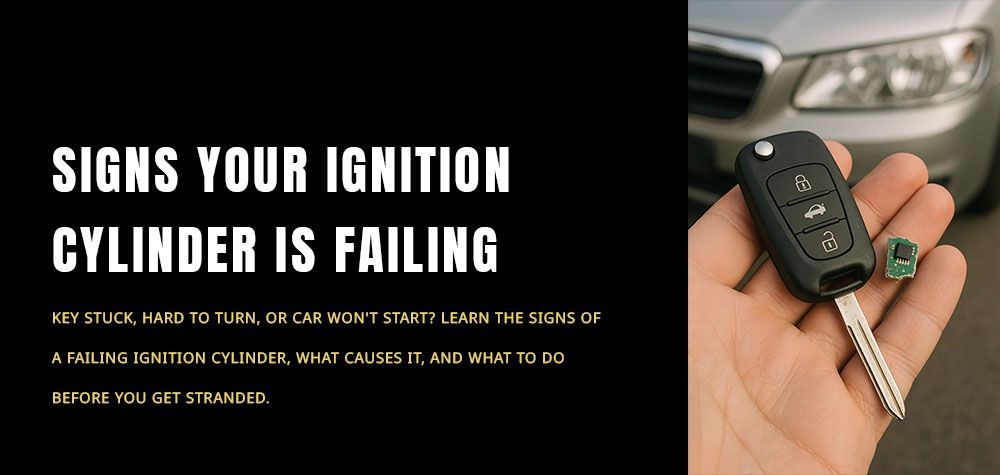
Key fobs are small but complex electronic devices. Dropping your fob, stepping on it, or exposing it to water can damage the internal components, leading to malfunctions. Even minor cracks in the casing can allow moisture to seep in and corrode the circuitry.
5. Car’s Receiver Malfunction
Sometimes, the issue isn’t with the key fob itself but with the car’s receiver. If your car isn’t recognizing any key fob commands, there may be an issue with the keyless entry system, requiring professional diagnostics.
How to Fix a Non-Working Key Fob
Step 1: Replace the Battery
Start with the simplest solution—replace the battery. Open your key fob (usually by prying it apart with a flathead screwdriver), remove the old battery, and insert a new one of the same type. Ensure it’s placed in the correct orientation, then reassemble the fob and test it.
Step 2: Clean the Key Fob Internals
If button issues are suspected, open the fob and inspect the circuit board. Use a soft cloth or cotton swab dipped in isopropyl alcohol to clean any dirt or residue. Check if the buttons are properly seated and ensure no debris is obstructing the contacts.
Step 3: Reprogram the Key Fob
In some cases, your key fob may lose its connection with your car’s system. You may need to reprogram it. The process varies by car make and model, but it typically involves inserting the key into the ignition, turning it to a specific position, and pressing a button on the fob. Check your vehicle’s manual or consult a locksmith if unsure.
Step 4: Address Signal Interference
If you suspect interference, try using the key fob in a different location. Moving a few feet away from electronic devices or large metal structures can sometimes resolve the issue.
Step 5: Check for Physical Damage and Consider Repair or Replacement
If your key fob has visible damage, a cracked casing, or doesn’t respond even after a battery replacement, it may need repairs or a replacement. Some dealerships and locksmiths can repair key fobs, but if the damage is severe, getting a new one may be your best bet.
Step 6: Inspect the Car’s Keyless Entry System
If none of the above solutions work, the issue may lie within your car’s keyless entry system. A malfunctioning receiver may need professional servicing. A mechanic or dealership can diagnose and fix the problem.
Risks of Ignoring a Faulty Key Fob
Ignoring a malfunctioning key fob can lead to several issues. If your key fob is failing intermittently, you might find yourself locked out of your car at the worst possible time. A key fob that isn’t properly transmitting signals could also indicate deeper issues within your car’s electrical system. Addressing the problem early can prevent costly repairs later.
Expert Recommendations for Preventing Key Fob Issues
To avoid key fob failures in the future, follow these expert tips:
- Replace the battery regularly – Don’t wait until your key fob stops working. Swap out the battery every couple of years as preventive maintenance.
- Keep the key fob clean and dry – Avoid exposing it to moisture, extreme heat, or physical impact.
- Use a key fob cover – Protective covers can shield your fob from damage, prolonging its lifespan.
- Have a spare key fob – Keeping a backup fob ensures you’re never left stranded.
- Reprogram when needed – If you notice inconsistencies, check if reprogramming helps restore functionality.
Conclusion: Regaining Control Over Your Key Fob
A non-working key fob doesn’t have to ruin your day. In most cases, the issue can be resolved with a simple battery replacement, cleaning, or reprogramming. However, if the problem persists, don’t hesitate to seek professional help. Understanding the potential causes and solutions will not only save you frustration but also keep your car’s keyless entry system running smoothly. Stay proactive, and you’ll never have to worry about being locked out again.
Call Us Any Time!