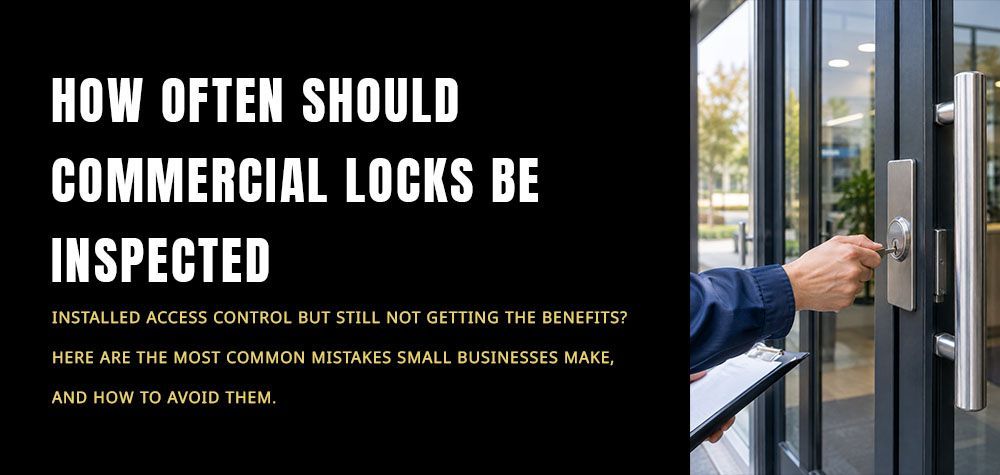
Why Your Lock Works From Inside but Not Outside
It’s a confusing and frustrating situation: the door unlocks perfectly when you turn the thumb-turn from inside, but the key on the outside either refuses to turn, feels stuck, or spins without unlocking the door. Many homeowners immediately assume the entire lock is broken, but the real cause is often more specific.
A lock functioning on one side but not the other usually points to issues with the key cylinder, internal alignment, or worn components. Understanding what’s happening can help you avoid damaging the lock further and ensure the right repair is made. In this detailed guide, experts at Brothers Locksmith explain why this problem occurs and what solutions are available.
What Causes Locks to Freeze Even Without Snow
Understanding How a Lock Operates From Both Sides
Most residential deadbolts have two main operating mechanisms:
- Exterior key cylinder – where the key is inserted to operate the lock from outside.
- Interior thumb-turn – the manual lever used to lock or unlock the door from inside.
Both sides connect to the same internal mechanism that retracts or extends the bolt. If the interior thumb-turn works but the key doesn’t, it usually means the bolt mechanism itself is functioning, but something is preventing the exterior cylinder from operating correctly.
A Worn or Damaged Key
One of the most common reasons a lock works from inside but not outside is simply a worn key. Keys naturally wear down over time, especially if they’re used frequently or made from softer metal.
When the ridges on the key become rounded or uneven, they may no longer align the internal pins properly. This prevents the cylinder from rotating, even though the interior thumb-turn still works.
If the lock works normally with a spare key but not your main one, the solution may be as simple as replacing the worn key.
Dirt or Debris Inside the Key Cylinder
Exterior locks are exposed to dust, dirt, rain, and small debris. Over time, these contaminants can build up inside the keyway.
When debris accumulates around the internal pins:
- The key may not insert fully
- Pins may stick or fail to align
- The cylinder may resist turning
Because the interior thumb-turn bypasses the keyway, it continues to function normally even while the outside mechanism struggles.
Internal Cylinder Wear
The lock cylinder contains several small components, including pins, springs, and the plug that rotates when the key is turned. After years of use, these parts can wear down or become misaligned.
When this happens, the key may struggle to move the pins into the correct positions. The cylinder may feel rough, stiff, or completely stuck.
Meanwhile, the interior thumb-turn continues to operate the bolt directly, which is why the door can still unlock from inside.
Why Cheap Duplicate Keys Stop Working Quickly
Misalignment Between Door and Frame
Sometimes the problem isn’t inside the cylinder at all. If the door shifts due to humidity, temperature changes, or loose hinges, pressure can build on the deadbolt.
When pressure holds the bolt tightly against the strike plate, turning the key from outside becomes difficult. However, the interior thumb-turn usually provides more leverage, allowing the bolt to retract despite the pressure.
This can create the impression that the exterior lock is broken when the real issue is door alignment.
Loose or Misaligned Lock Hardware
Over time, screws holding the lock assembly can loosen. When the hardware shifts even slightly, the key cylinder may no longer align properly with the internal mechanism.
This misalignment can cause:
- Keys that turn partially but not fully
- Cylinders that spin without unlocking
- Resistance when inserting the key
Tightening and realigning the lock hardware can sometimes resolve the issue.
Broken Tailpiece or Internal Connector
The tailpiece is the small metal bar that connects the exterior cylinder to the internal locking mechanism. If this part becomes bent, worn, or broken, the key may turn without actually moving the bolt.
In such cases, the interior thumb-turn may still function because it connects directly to the bolt mechanism.
Repairing or replacing the cylinder assembly usually resolves this issue.
Rust or Corrosion in Exterior Locks
Exterior locks are especially vulnerable to moisture exposure. Rain, humidity, and condensation can lead to rust or corrosion inside the cylinder.
Rust can cause pins and springs to stick or seize, preventing the key from operating smoothly. Since the thumb-turn uses a different mechanism, it may continue working even when corrosion affects the key cylinder.
Routine lubrication and weather protection help prevent this problem.
Signs the Lock Needs Professional Attention
If the lock works from inside but not outside, it’s important to address the issue early before it becomes a complete lockout.
Warning signs include:
- The key turns only halfway
- The cylinder feels loose or spins
- The key sticks during insertion
- The lock works only with excessive force
- The problem is getting worse over time
Ignoring these symptoms can eventually lead to a key breaking inside the lock.
Repair vs. Replacement
Whether the lock can be repaired depends on the underlying cause.
Minor issues such as dirt buildup, loose hardware, or lubrication problems can often be fixed quickly. However, if the cylinder components are worn or damaged, replacing the cylinder or entire lock may be the more reliable solution.
A professional inspection ensures the right approach is taken without unnecessary costs.
Preventing Exterior Lock Problems
Keeping locks in good condition can prevent many of these issues from occurring in the first place.
Regular maintenance includes:
- Periodic lubrication with graphite or silicone-based products
- Replacing worn keys before they fail
- Checking door alignment and hinge stability
- Protecting exterior locks from excessive moisture
These simple steps help ensure smooth lock operation from both sides of the door.
The Bottom Line
When your lock works from inside but not outside, the problem is usually related to the exterior key cylinder rather than the entire locking system. Worn keys, debris, misalignment, or internal component wear can all prevent the key from operating properly.
Addressing the issue early helps prevent complete lock failure and ensures your door remains secure.
Get Expert Help Before a Lockout Happens
If your door unlocks from inside but refuses to work with a key outside, professional inspection can identify the problem and restore smooth operation.
The technicians at Brothers Locksmith provide lock repair, cylinder replacement, rekeying, and security upgrades to ensure your door locks function reliably from both sides.
Call Us Any Time!