How Temperature Changes Affect Door Lock Performance
Most homeowners don’t connect temperature shifts with lock problems — until a key suddenly sticks, a deadbolt becomes hard to turn, or a door refuses to latch properly. Seasonal expansion, contraction, and moisture changes can all impact how your lock and door function together.
Understanding these effects can help you prevent frustrating lockouts, avoid premature hardware failure, and maintain reliable home security. In this guide, experts at Brothers Locksmith explain how temperature changes influence door lock performance and what you can do about it.
Why Your Deadbolt Turns but the Door Won’t Open
Why Locks React to Temperature Changes
Locks are made from metal components that expand in heat and contract in cold. At the same time, doors and frames — especially wood — react differently to temperature and humidity.
When these materials shift at different rates, even minor changes can affect alignment, friction, and internal lock movement.
The result is a lock that feels stiff, misaligned, or unreliable despite no visible damage.
Cold Weather Effects on Door Locks
Metal Contraction Causing Tight Mechanisms
During colder temperatures, metal parts inside the lock contract slightly. This can make tolerances tighter and increase friction between moving components, causing keys to turn less smoothly.
You may notice:
- Stiff key rotation
- A deadbolt that feels resistant
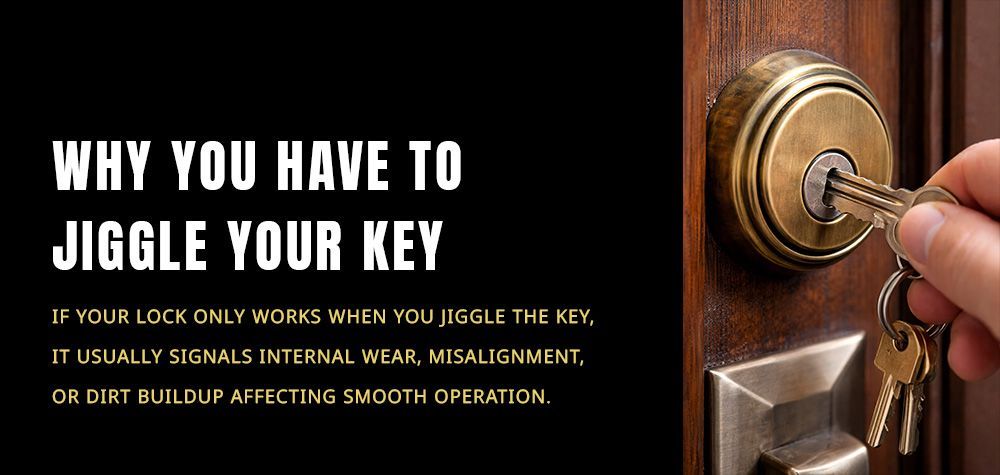
- The need to jiggle the key before turning
Frozen Moisture Inside the Lock
Moisture from rain, condensation, or humidity can seep into the lock. When temperatures drop, this moisture may freeze, temporarily blocking internal movement.
This often leads to locks that suddenly stop working on cold mornings.
Hot Weather and Heat Expansion Problems
Swelling Doors Creating Bolt Pressure
Heat and humidity often cause wooden doors to expand. This expansion can press the door tightly against the frame, trapping the latch or deadbolt even when unlocked.
The lock itself may work fine, but pressure prevents smooth operation.
Metal Expansion Affecting Alignment
Just as cold tightens mechanisms, heat can cause metal components to expand slightly, affecting how the bolt aligns with the strike plate. This can lead to scraping, sticking, or incomplete bolt extension.
Humidity: The Hidden Factor Behind Lock Issues
While temperature gets most of the blame, humidity often plays a bigger role. Moisture can cause:
- Rust formation inside locks
- Swelling wood frames
- Sticky residue buildup
- Lubricant breakdown
High humidity can also increase dirt accumulation inside the cylinder, further reducing smooth operation.
How Seasonal Changes Impact Different Lock Types
Traditional Mechanical Locks
Mechanical locks are sensitive to alignment and lubrication changes. Seasonal shifts often affect how easily the key turns and how smoothly the bolt retracts.
Smart Locks and Electronic Components
Temperature extremes can impact battery performance, sensor responsiveness, and electronic reliability. Cold weather, in particular, can shorten battery life and slow motorized bolt movement.
Exterior vs Interior Locks
Exterior locks experience more drastic temperature swings, making them more prone to seasonal issues than interior hardware.
Why Locksmiths Recommend Rekeying Over Lock Replacement (Sometimes)
Signs Temperature Is Affecting Your Lock
- Key sticks or resists turning during specific seasons
- Door becomes harder to open in humid weather
- Deadbolt scrapes or requires extra force
- Lock works fine at certain times of day but not others
- Increased battery drain in smart locks
Recognizing these patterns can help you address issues before they worsen.
Simple Ways to Protect Locks From Temperature Damage
Regular Lubrication
Seasonal lubrication helps maintain smooth internal movement and prevents moisture buildup.
Weatherproofing Doors and Frames
Proper sealing reduces moisture intrusion and limits wood expansion.
Checking Door Alignment
Seasonal hinge adjustments can prevent pressure on the latch and deadbolt.
Using Protective Lock Covers
For exterior locks, covers help reduce direct exposure to rain, frost, and heat.
When Temperature Issues Signal a Bigger Problem
While seasonal changes are normal, persistent lock problems may indicate:
- Worn internal components
- Poor installation or misalignment
- Rust or corrosion damage
- Structural door frame movement
If problems continue year-round, a professional inspection may be necessary.
Preventive Maintenance for Year-Round Performance
Routine lock maintenance is one of the simplest ways to avoid seasonal failures. A professional locksmith can clean internal components, adjust alignment, and recommend weather-resistant hardware better suited to your climate.
Preventive care extends lock lifespan and ensures reliable security regardless of weather conditions.
The Bottom Line: Temperature Impacts Security More Than You Think
Temperature fluctuations affect more than comfort — they directly influence how well your locks protect your property. By understanding seasonal behavior and maintaining your hardware, you can avoid inconvenient lockouts and costly repairs.
Keep Your Locks Performing in Every Season
If your locks feel stiff in winter, sticky in summer, or unreliable during weather changes, professional maintenance can restore smooth performance and security.
Brothers Locksmith offers lock inspections, adjustments, and weather-resistant upgrades to keep your doors working properly year-round.
Call Us Any Time!