Why Locksmiths Recommend Rekeying Over Lock Replacement (Sometimes)
When homeowners face lock issues, their first instinct is often to replace the entire lock. It feels like the safest and most thorough solution. But in reality, professional locksmiths frequently suggest rekeying instead — a faster, more cost-effective option that can restore security without changing your hardware.
Understanding when rekeying makes sense (and when it doesn’t) can help you make smarter security decisions for your home or business. In this guide, experts at Brothers Locksmith break down the difference, the benefits, and the situations where rekeying is the better choice.
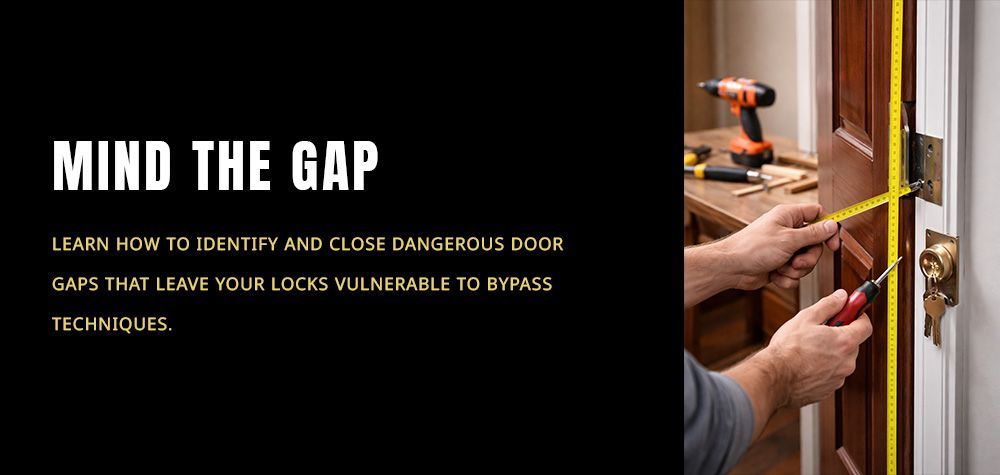
How to Secure Doors That Don’t Fully Close
What Rekeying Actually Means
Rekeying is the process of adjusting the internal pins of a lock so it works with a new key while rendering old keys useless. The external hardware remains the same, but the lock’s internal configuration changes.
From a security perspective, rekeying gives you the same protection as a brand-new lock — provided the existing lock is in good working condition.
This is why locksmiths often recommend rekeying when the goal is access control rather than hardware improvement.
Why Rekeying Is Often Recommended First
Locksmiths look beyond surface issues. If your lock body is strong, properly aligned, and not damaged, replacing it may be unnecessary. Rekeying allows professionals to solve security concerns without adding extra cost or complexity.
In many cases, homeowners are surprised to learn they can regain full control of their property access in under an hour.
Situations Where Rekeying Makes More Sense Than Replacement
Moving Into a New Home
Even if the previous owners seem trustworthy, you can’t know how many duplicate keys exist. Rekeying instantly resets access without the expense of new hardware.
Lost or Stolen Keys
If keys go missing, rekeying prevents unauthorized entry without forcing you to replace multiple locks.
After Tenant or Roommate Changes
Rental properties and shared housing often involve frequent key turnover. Rekeying ensures old occupants can’t re-enter.
Master Key System Updates
Businesses frequently rekey locks to integrate them into a master key system rather than replacing every lock in the building.
Budget-Friendly Security Improvements
If your locks are structurally sound, rekeying offers a cost-effective way to improve security without major upgrades.
Benefits of Rekeying That Many Homeowners Overlook
- Cost savings compared to full lock replacement
- Faster service, often completed in a single visit
- Maintains existing hardware aesthetics (important for decorative doors)
- Simplifies key management by matching multiple locks to one key
- Reduces waste by keeping functional hardware in use
These advantages make rekeying especially attractive for landlords, property managers, and homeowners managing multiple entry points.
When Lock Replacement Is the Better Option
While rekeying is highly effective, it’s not always the right solution. Locksmiths will typically recommend replacement in cases where the hardware itself compromises security.
Damaged or Worn Locks
If internal components are failing or the lock sticks frequently, rekeying won’t solve mechanical problems.
Outdated or Low-Security Locks
Older locks may lack modern anti-pick, anti-drill, or bump-resistant features. Replacement allows you to upgrade protection.
After Break-In Attempts
Forced entry can weaken the lock body or cylinder. Even if it still works, replacement may be safer.
Smart Lock Upgrades
Switching to electronic or smart access requires new hardware rather than rekeying traditional locks.
What to Do If Your Lock Gets Jammed During an Emergency
Rekeying vs Replacement: A Security Perspective
The key difference lies in access control vs hardware strength.
- Rekeying controls who can enter
- Replacement improves how difficult entry is
If your concern is lost keys, previous occupants, or access changes, rekeying is typically enough. But if your lock’s durability or security rating is questionable, replacement may be the wiser long-term investment.
A professional locksmith evaluates both aspects before recommending a solution.
How Rekeying Can Improve Everyday Convenience
Beyond security, rekeying also enhances daily usability. Many homeowners use rekeying to create a single-key system for front doors, back doors, and garage entries.
This reduces key clutter and makes household access easier without compromising safety. For businesses, rekeying can streamline employee access and improve accountability.
Why Professional Rekeying Matters
DIY rekey kits exist, but improper rekeying can lead to key failures, lock jams, or reduced security. Professional locksmiths ensure:
- Proper pin configuration
- Smooth lock operation
- Compatibility across multiple locks
- Testing for reliability and security
A professional approach ensures the lock remains durable and resistant to tampering after rekeying.
The Bottom Line: Rekeying Is a Smart Security Strategy
Rekeying isn’t a shortcut — it’s a strategic solution. When locks are structurally sound, rekeying delivers strong security, cost efficiency, and convenience without unnecessary replacement.
The key is understanding your specific situation and getting expert advice before making a decision.
Secure Your Property the Smart Way
Whether you’ve moved, lost keys, or want better control over who has access, rekeying can be the ideal solution. A professional assessment helps determine whether rekeying or replacement best protects your property.
Brothers Locksmith provides expert lock evaluations, rekeying services, and security upgrades to keep homes and businesses protected. If you’re unsure which option is right, reaching out for professional guidance is the safest first step.
Call Us Any Time!