How to Secure Doors That Don’t Fully Close
A door that doesn’t fully close is more than a minor inconvenience — it’s a security risk that can compromise your home’s safety, energy efficiency, and privacy. Even a small gap between the door and frame can prevent the lock from engaging properly, weaken the door’s resistance to forced entry, and allow air, moisture, or pests to enter. Understanding why doors fail to close completely and how to secure them effectively helps homeowners restore protection and avoid long-term structural issues.
Why Door Locks Feel Loose in Summer
Why Doors Fail to Close Completely
Doors can stop closing properly for a variety of reasons, many of which develop gradually. Seasonal changes, wear and tear, structural movement, and installation issues all influence how a door aligns with its frame. What begins as a slight resistance may eventually prevent the latch from engaging at all.
Common causes include swollen wood, loose hinges, misaligned strike plates, warped frames, or debris buildup. Identifying the underlying issue is essential because the right security solution depends on addressing both the door’s movement and the lock’s ability to function correctly.
Security Risks of an Improperly Closing Door
When a door doesn’t close fully, the lock may fail to latch securely, leaving the property vulnerable even when it appears locked. Gaps can allow intruders to manipulate the latch with simple tools, increasing the risk of unauthorized entry. In addition, doors that don’t seal properly can strain locks, accelerating wear and increasing the likelihood of mechanical failure.
Beyond security, incomplete closure affects insulation and weather resistance, leading to higher energy costs and potential moisture damage. These combined risks make prompt repair and reinforcement important.
Inspecting Door Alignment and Hinge Condition
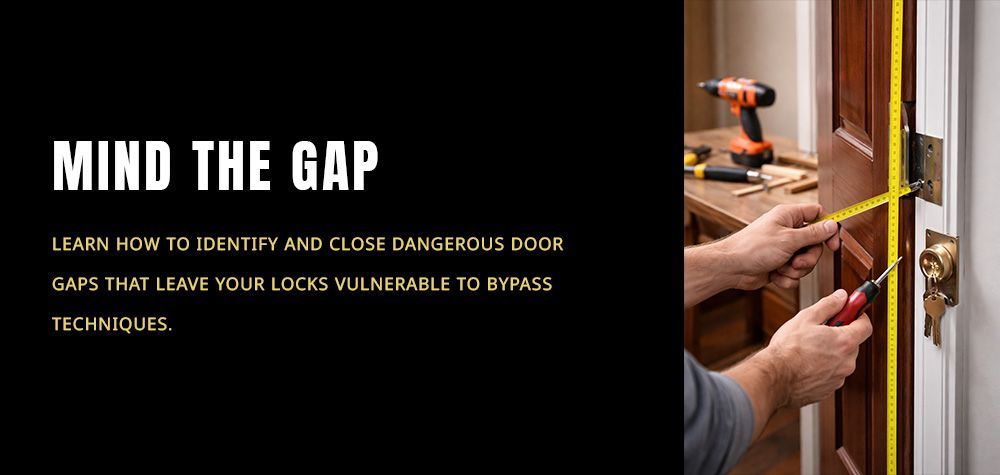
The first step in securing a poorly closing door is checking alignment. Over time, hinges may loosen, sag, or shift due to repeated use and structural movement. Even slight hinge displacement can cause the door to rub against the frame or prevent proper latch engagement.
Tightening hinge screws, replacing worn hinges, or adjusting hinge positioning often restores alignment. In cases where screw holes have stripped, reinforcement with longer screws or anchors can improve stability and support smoother door movement.
Addressing Swelling or Warping in Wooden Doors
Wooden doors are particularly vulnerable to humidity and temperature fluctuations. Moisture absorption can cause swelling, while drying may lead to warping. These changes alter the door’s shape and prevent it from fitting neatly within the frame.
Sanding swollen areas, applying sealants, or improving ventilation may resolve minor swelling. However, significant warping may require professional adjustment or replacement. Addressing moisture exposure early helps prevent recurring alignment issues and improves overall door security.
Strike Plate Misalignment and Latch Problems
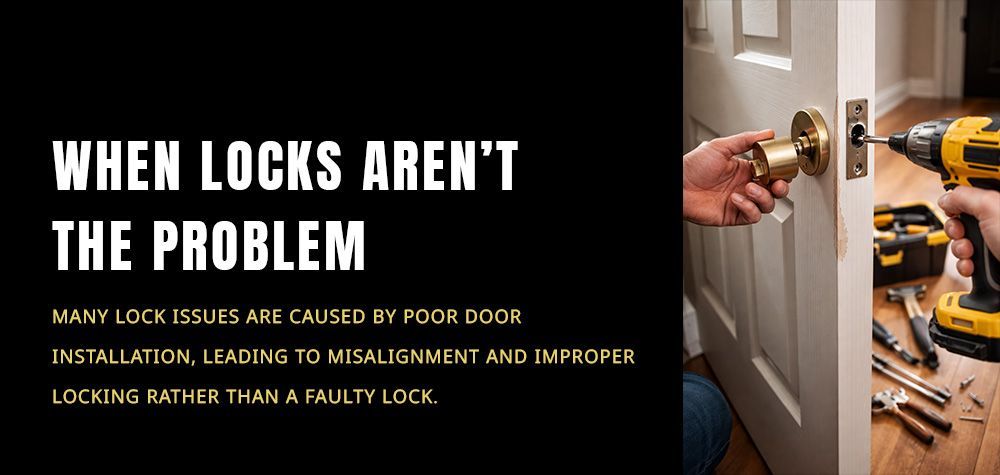
Even if a door appears to close, misalignment between the latch and strike plate can prevent secure locking. When the latch fails to seat properly, the door may pop open easily or require extra force to stay shut. Misalignment often results from frame movement, hinge sagging, or installation inaccuracies.
Repositioning the strike plate, enlarging the strike opening slightly, or adjusting latch alignment can restore proper engagement. These adjustments ensure the lock functions as intended and eliminates gaps that weaken security.
Temporary Ways to Secure a Door That Won’t Close Fully
While permanent repairs are ideal, temporary measures can help maintain security until adjustments are made. These solutions provide added protection without causing damage to the door or frame.
Short-term security options include:
- Installing door wedges or stoppers to keep the door firmly shut
- Using portable security bars for interior reinforcement
- Adding temporary adhesive weatherstripping to reduce gaps
- Engaging secondary locks or chain locks where available
- Placing draft blockers that also limit forced movement
These measures improve stability and buy time while planning long-term repairs.
What to Do If Your Lock Gets Jammed During an Emergency
Reinforcing the Door Frame for Better Closure
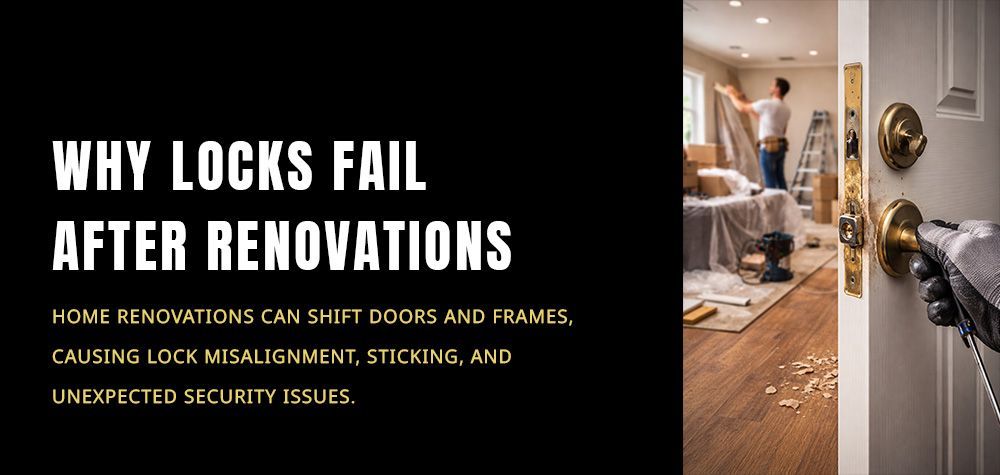
Sometimes the issue lies with the frame rather than the door itself. Structural shifts, settling, or moisture damage can distort the frame, affecting how the door aligns. Reinforcing the frame with longer screws, additional anchors, or strike plate upgrades can improve both closure and security.
Frame reinforcement not only helps the door close properly but also strengthens resistance to forced entry. This makes it a valuable step when addressing persistent closure problems.
Upgrading Lock and Hardware for Improved Security
If a door struggles to close fully, standard locks may not provide sufficient security. Upgrading to adjustable latches, reinforced strike plates, or multi-point locking systems can compensate for minor alignment issues and improve overall protection. These upgrades distribute pressure more evenly and create stronger engagement between the door and frame.
Modern hardware options often include adjustable components designed to accommodate slight structural variations, making them especially useful for older homes or frequently shifting doors.
Preventive Maintenance to Avoid Recurring Closure Issues
Regular maintenance helps prevent doors from developing closure problems in the first place. Small adjustments and inspections can catch early signs of misalignment or wear before they affect security.
Preventive practices include:
- Periodically tightening hinge and lock screws
- Inspecting door frames for moisture damage or movement
- Lubricating hinges and latches for smoother operation
- Sealing wooden doors to reduce swelling from humidity
- Checking strike plate alignment after seasonal changes
- Keeping debris and buildup away from door edges
Consistent upkeep ensures doors remain functional, secure, and energy-efficient over time.
When Professional Repair or Replacement Is Necessary
Persistent closure issues, severe warping, or structural frame damage may require professional intervention. Attempting extensive adjustments without proper tools can worsen alignment or damage hardware. A professional locksmith or door specialist can assess the root cause, perform precise adjustments, and recommend repair or replacement options tailored to your home.
Professional support ensures the door closes smoothly, locks securely, and maintains long-term durability without recurring problems.
Final Thoughts: A Properly Closing Door Is Essential for Security
A door that doesn’t fully close compromises both security and comfort, but the issue is often fixable with timely attention. From hinge adjustments and strike plate realignment to frame reinforcement and hardware upgrades, addressing closure problems restores reliable protection and peace of mind. By understanding the causes and taking proactive steps, homeowners can ensure their doors remain secure, functional, and resistant to everyday wear and seasonal changes.
Need Help Securing a Door That Won’t Close Properly?
If your door refuses to latch, feels misaligned, or leaves gaps that affect security, expert assistance can provide lasting solutions. Brothers Locksmith offers professional door alignment, lock adjustments, hardware upgrades, and security reinforcement to restore proper closure and dependable protection. Our experienced technicians help homeowners resolve structural and lock-related issues efficiently.
Contact Brothers Locksmith today to schedule a door and lock inspection and keep your home safe with a properly secured entryway.
Call Us Any Time!