Why Your Key Snaps Inside the Lock (Common Causes)
Few things are more frustrating than turning your key—only to feel it suddenly snap inside the lock. One moment you’re unlocking your door, and the next you’re dealing with a broken key stuck in the cylinder, potentially locked out of your home or business.
While it may seem like bad luck, keys rarely break without warning. In most cases, there are underlying mechanical or structural causes that gradually weaken the key until it fails under pressure.
Understanding why keys snap inside locks can help you prevent future incidents and recognize early warning signs before they turn into emergencies.
Why Front Door Locks Wear Out Faster Than Back Doors
Keys Are Strong — But Not Indestructible
Most residential keys are made of brass or nickel-plated brass. These materials are chosen because they are durable yet soft enough to prevent damage to internal lock components.
However, that softness also means keys wear down over time. Repeated use, friction, and stress can slowly weaken the metal. When combined with lock issues or excessive force, even a sturdy key can snap.
A broken key is often a symptom of a larger issue—not the root problem itself.
Worn or Aging Keys Become Structurally Weak
Keys endure constant stress. Every insertion and turn creates friction against the lock’s internal pins.
Over time, this causes:
- Thinning along the grooves
- Small hairline fractures
- Slight bending from repeated torque
These weaknesses aren’t always visible to the eye. Eventually, one extra turn under pressure is enough to cause the key to break—usually at its weakest point near the base or mid-blade.
If your key feels noticeably thinner or slightly bent, replacement is a smart preventative step.
Internal Lock Wear Creates Excessive Resistance
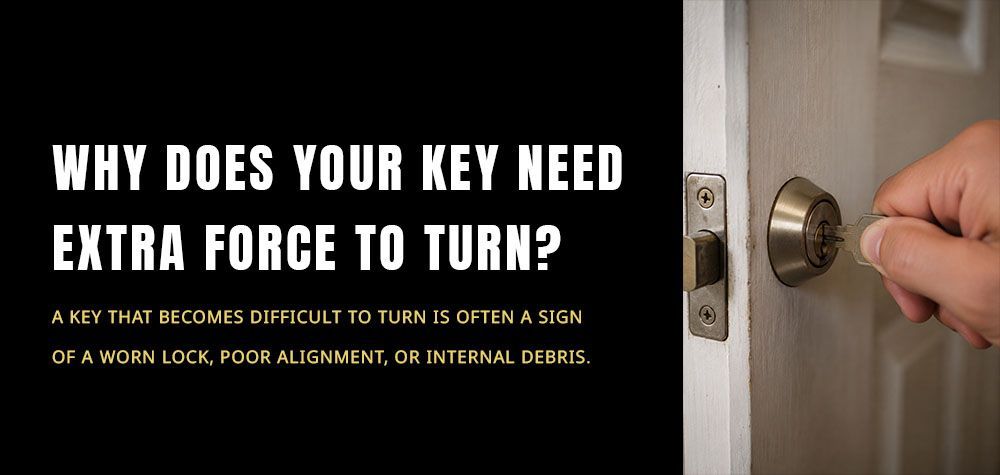
A lock should turn smoothly with minimal effort. If you find yourself applying extra pressure, something inside the lock may be worn or obstructed.
Common internal causes include:
- Worn or misaligned pins
- Broken springs
- Dirt and debris buildup
- Corrosion inside the cylinder
When resistance increases, the key absorbs the strain. Instead of the lock components failing, the softer brass key often breaks first.
If your lock feels gritty, stiff, or inconsistent, forcing it dramatically increases the risk of snapping your key.
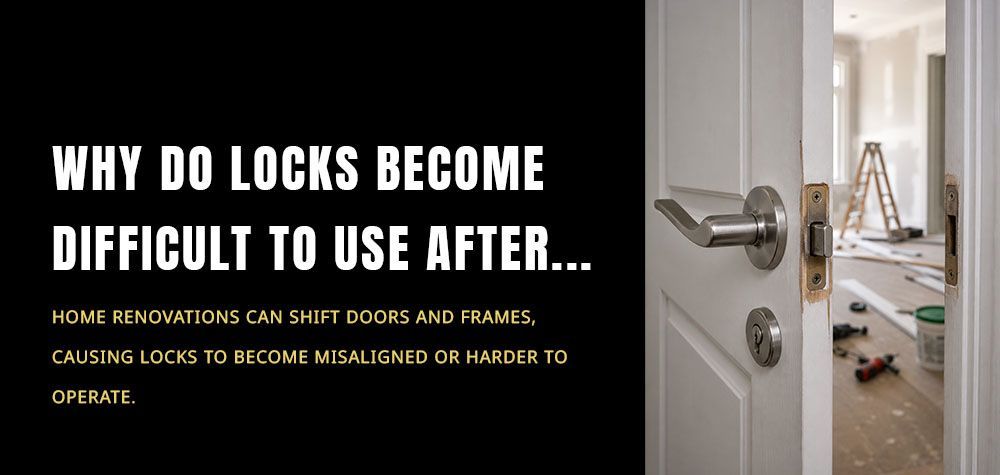
Misalignment Between Door and Frame
Sometimes the issue isn’t inside the lock at all—it’s structural.
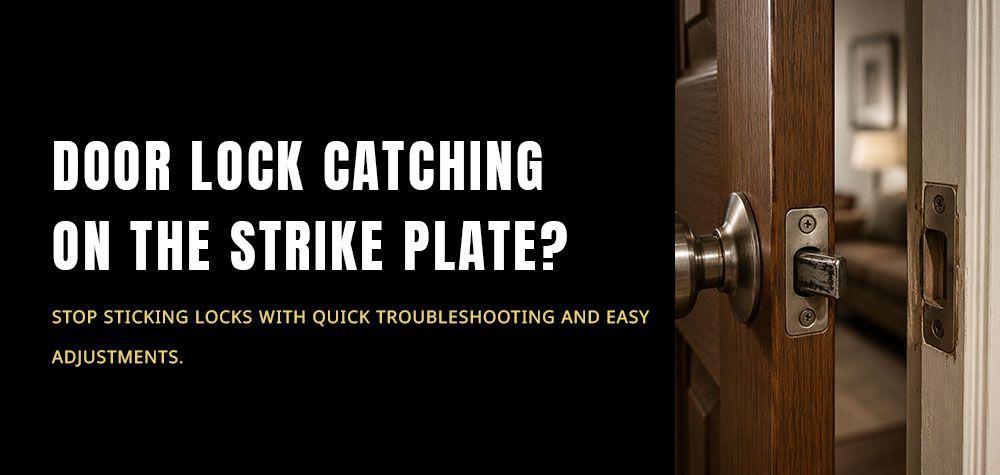
If your door is sagging or misaligned, the deadbolt may press against the strike plate instead of sliding smoothly into it. This creates friction and pressure.
When you turn the key, you’re not just moving the deadbolt—you’re forcing it against resistance in the frame. That added stress transfers directly to the key.
Over time, repeated strain weakens the metal until it snaps.
If your door requires lifting, pushing, or pulling to lock properly, alignment should be checked immediately.
Cold Weather Can Make Keys More Brittle
Temperature plays a surprising role in key durability.
In extremely cold conditions, metal becomes slightly more brittle. If your lock is stiff due to freezing temperatures and you apply additional force, the risk of snapping increases.
Frozen internal moisture inside the lock can also prevent smooth movement. Turning the key against frozen components places tremendous strain on it.
During winter, if a lock feels frozen, avoid forcing it. Proper de-icing solutions are safer than applying torque.
Cheap Duplicate Keys Are More Likely to Break
Not all key copies are equal.
Low-quality key duplication can result in:
- Improperly cut grooves
- Rough edges
- Weak metal blanks
- Slight dimensional inaccuracies
Poorly cut keys may not align perfectly with internal pins, causing additional resistance when turning.
Over time, that resistance weakens the key until it eventually breaks.
Having keys duplicated professionally reduces the risk of premature snapping.
Why Shared Housing Needs Different Lock Solutions
Using the Wrong Key by Mistake
It’s surprisingly common for people to attempt unlocking a door with a similar-looking but incorrect key.
When the key doesn’t fully align with the pins, it won’t turn smoothly. If force is applied, the key can twist and break under pressure.
Even partially inserted or “almost fitting” keys can snap if torque is applied.
If a key doesn’t slide in and turn smoothly, stop immediately.
Corrosion and Lack of Maintenance
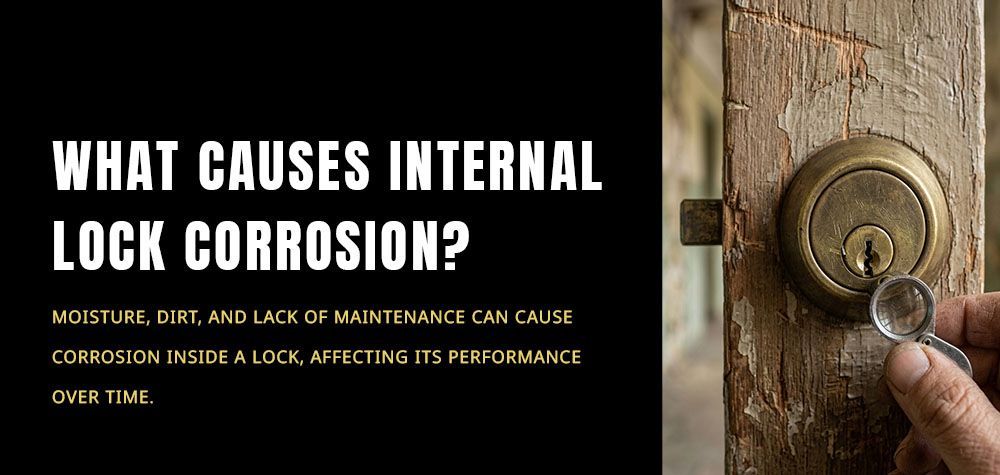
Locks exposed to weather—especially exterior doors—are vulnerable to moisture, dirt, and debris.
Corrosion inside the cylinder increases friction. Dirt buildup interferes with smooth pin movement.
Without occasional maintenance or lubrication, internal components become stiff. The more resistance inside the cylinder, the more stress is placed on the key.
Routine lock maintenance can significantly reduce breakage risk.
Forcing a Lock Under Stress
One of the most common causes of key breakage is forcing a lock that is already struggling.
Situations that encourage forced turning include:
- Rushing
- Frustration
- Cold weather
- Misalignment
- Worn locks
When a lock resists, many people instinctively apply more pressure. Unfortunately, keys are often the first component to fail under excessive torque.
A key snapping is sometimes a warning that the lock needs servicing.
Warning Signs Before a Key Breaks
Keys usually give subtle clues before snapping:
- Slight bending when removed
- Increased resistance while turning
- A gritty or grinding feeling
- Needing to jiggle the key repeatedly
- Visible wear along the blade
If you notice these signs, replacing the key or servicing the lock can prevent an emergency.
What Happens After a Key Snaps?
When a key breaks inside a lock, part of the blade often remains lodged in the cylinder. Attempting to remove it improperly can push the fragment deeper or damage internal components.
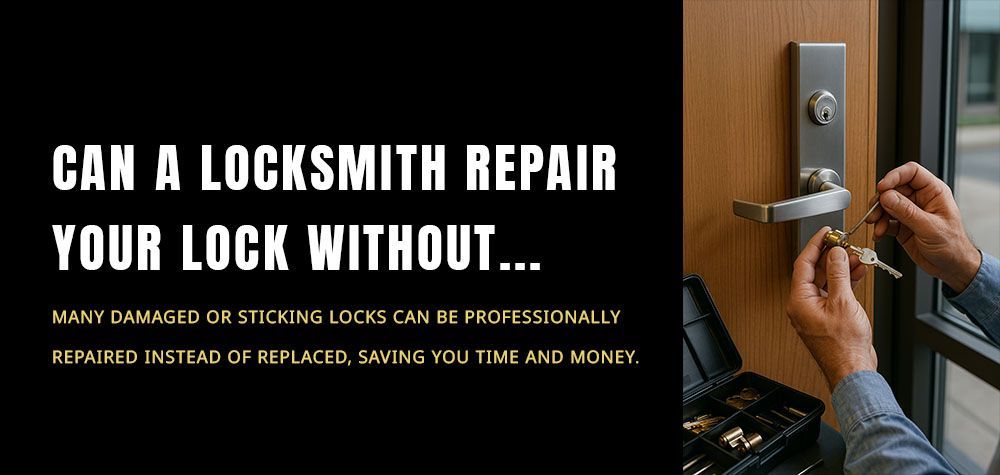
In some cases, the lock can be salvaged with professional extraction tools. In others, internal damage may require cylinder replacement.
The faster the issue is addressed, the more likely the lock can be preserved.
Preventing Future Key Breakage
Prevention is straightforward with proper attention.
Replace visibly worn keys.
Address lock resistance immediately.
Ensure proper door alignment.
Avoid forcing stiff locks.
Schedule periodic lock inspections.
Maintaining both the key and the lock system ensures long-term reliability.
When It’s Time to Upgrade
If key snapping has occurred more than once, the underlying issue may be an aging lock.
Upgrading to a modern, high-quality lock provides:
- Smoother internal mechanisms
- Greater durability
- Improved resistance to forced entry
- Reduced friction and wear
Sometimes replacing the entire lock system is the most cost-effective long-term solution.
How Brothers Locksmith Can Help
At Brothers Locksmith, we handle broken key extractions quickly and safely. We also inspect the lock to determine why the key snapped in the first place.
We assess:
- Internal cylinder wear
- Door alignment
- Strike plate positioning
- Overall lock condition
By addressing the root cause, we help prevent repeat incidents and restore reliable access to your property.
Final Thoughts
A snapped key is rarely random. It’s usually the result of wear, resistance, misalignment, or internal lock problems that developed over time.
Keys are designed to operate smoothly—not to withstand excessive force. When a lock begins to struggle, the key often pays the price.
Pay attention to early warning signs. Address stiffness promptly. And remember, smooth operation isn’t just about convenience—it’s about preventing unexpected lockouts and protecting your security.
Call Us Any Time!