Can a Locksmith Help Convert a Manual Door to Keyless Access?
If you’ve ever juggled groceries at your door, fumbled for keys in the dark, or worried about losing them altogether, the idea of switching from a traditional manual lock to a keyless access system feels like moving from the stone age to the smart age.
And you might wonder: Can a locksmith actually convert a regular old door into a fully keyless system?
Short answer:
Yes. A
professional locksmith can do it—and do it properly.
At Brothers Locksmith, this is one of the most common upgrades homeowners ask for. People want convenience, modern security, and fewer keys weighing down their pockets. Turning a manual lock into a smart, keyless one isn’t just possible—it’s often easier (and safer) than most people think.
Let’s break down exactly what happens behind the scenes.
The hidden dangers of “smart lock fatigue” (too many lock systems)
Why Homeowners Are Switching to Keyless Access
The reasons are always practical. No dramatic tech obsession—just real-life convenience.
A client recently told us she wanted to go keyless because her teens kept forgetting the house key. Someone else wanted a keypad because her hands are always full when entering the home. Another homeowner needed remote access so he could let workers in without physically being there.
Keyless access solves more everyday problems than people realize:
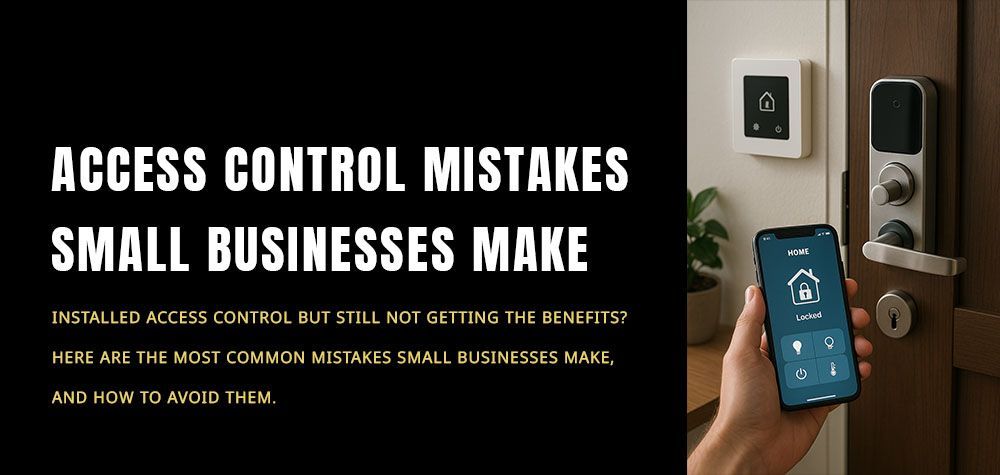
- You can unlock the door with a PIN, fingerprint, smartphone, or even your voice assistant.
- No more rekeying the entire home when someone loses a key.
- Temporary or one-time codes for guests, workers, or Airbnb.
- Activity logs for security-conscious homeowners.
But before diving in, it’s important to understand what it takes to convert your current manual setup.
Step One: Assessing Your Existing Door and Lock System
This is where a locksmith’s expertise matters most.
Not every door is “plug and play” ready for keyless tech.
A locksmith checks:
- Door thickness (most smart locks need a standard thickness)
- Alignment of the door frame (a misaligned door will jam the motor)
- Deadbolt type
- Backset measurement
- Material of the door (steel and glass need different mounting considerations)
Sometimes the door is perfectly fine. Other times, it needs minor adjustments to ensure the smart lock works smoothly. Brothers Locksmith frequently re-aligns door frames, adjusts strike plates, or upgrades existing deadbolts during the conversion.
Step Two: Choosing the Right Type of Keyless System
This is where most homeowners get confused because the market is overflowing with:
- Keypad locks
- Bluetooth locks
- Wi-Fi smart locks
- Fingerprint locks
- Hybrid smart/mechanical locks
- Full access-control systems
A locksmith’s job isn’t to sell you a gadget—it’s to help you choose a system that works for your lifestyle, your door, and your security needs.
Here’s the breakdown:
Keypad Smart Locks
Great for families, rentals, or anyone who wants easy PIN access.
Bluetooth Smart Locks
Work even without Wi-Fi. Perfect for areas with weak connectivity.
Wi-Fi Smart Locks
Best for remote access, voice assistants, and automation.
Fingerprint Locks
Convenient for people who hate PINs or carrying anything at all.
Access Control Systems
Ideal for offices, shops, clinics—full control and user management.
A locksmith guides you through the pros, cons, and compatibility with your existing home setup. For example, Brothers Locksmith often checks whether the homeowner uses Alexa, Google Assistant, or Siri before recommending a specific brand.
Step Three: Removing the Manual Lock and Preparing the Door
Converting a manual door isn’t as simple as “unscrew the old lock and pop in the new one.”
A locksmith ensures:
- The lock cavity is the correct size
- The latch and bolt holes are perfectly aligned
- There’s no internal warping that could strain the smart lock motor
- The strike plate is reinforced for security
- Wiring (if needed) is safely routed
A poorly installed smart lock can malfunction, drain batteries faster, or even leave your home insecure. Professional installation ensures everything sits flush and operates smoothly.
Step Four: Installing and Programming the Keyless System
Once the door is prepared and the smart lock is mounted, the locksmith handles the part that confuses most homeowners: setup and programming.
This includes:
- Connecting the lock to Wi-Fi or a hub
- Adding it to your smart home ecosystem
- Setting master codes
- Configuring auto-lock timing
- Enabling notifications and alerts
- Creating guest codes
- Teaching you how to operate everything
This is the difference between buying a smart lock… and actually using it confidently.
Brothers Locksmith never leaves until the homeowner is comfortable switching between manual modes, digital modes, PIN codes, and the mobile app.
How to protect locks from vandalism or forced entry?
What If the Door Doesn’t Support a Direct Conversion?
Some doors—especially older ones—aren’t ready for smart hardware.
This doesn’t mean you can't have keyless access. It just means the locksmith adds solutions like:
- Reinforcing thin doors
- Adding or adjusting the deadbolt cavity
- Installing a latch guard
- Upgrading the door hardware
- Replacing outdated deadbolts with compatible ones
In very old doors, the lock might need a full upgrade. A locksmith ensures every part of your door can safely support the new tech.
Keyless Access Isn’t Just About Convenience—It’s About Security
Manual locks can be picked, bumped, or forced. Smart locks add layers of protection:
- Built-in alarms
- Auto-locking
- Tamper alerts
- Activity logs
- Forced-entry resistance
- Remote locking
- Temporary access codes
It doesn’t eliminate traditional locksmith skills—it enhances them.
When You Should Call a Professional Locksmith Instead of Going DIY
Keyless conversions look easy on YouTube—but one mistake can ruin the lock or weaken your door.
Call a locksmith if:
- Your door frame isn’t perfectly aligned
- You’re unsure what kind of smart lock works with your ecosystem
- The door is old or swollen
- You’re not familiar with smart home integrations
- You want the lock to last for years, not months
A professional ensures the lock performs exactly as intended, without glitches, misalignment, or security gaps.
Conclusion: Yes—A Locksmith Absolutely Can Convert Your Manual Door to Keyless Access
Switching to keyless access is one of the smartest upgrades you can make for your home. It blends convenience with stronger security, fewer keys, and complete control over who enters your space.
A skilled locksmith—like the team at Brothers Locksmith—can evaluate your door, recommend the right system, install it safely, and program everything so it works flawlessly from day one.
If you want a home that feels modern, secure, and effortlessly convenient, converting to a keyless system is the perfect place to start.
Call Us Any Time!