Why Burglars Prefer Homes With Visible Spare Keys
A visible spare key gives burglars fast, quiet access to a home while avoiding the noise and risk of forcing a door or window, and studies of convicted burglars show a hidden key is checked for in a significant share of break-ins. Removing spare keys from predictable hiding spots and switching to a lock box, a trusted keyholder, or a smart lock closes one of the easiest entry points burglars rely on.
Most homeowners have hidden a spare key outside at some point, tucked under a doormat, inside a fake rock, above a door frame, or beneath a flowerpot. It feels like a private little secret. In reality, it's one of the most predictable habits a home can have, and burglars know exactly where to look.
Common Security Gaps Around Patio Doors
Why Do Burglars Look for Hidden Keys at All?
Because it's faster, quieter, and lower-risk than forcing their way in.
When people picture a break-in, they usually imagine a kicked-in door or a smashed window. In reality, many burglars simply look for the easiest possible way inside, and a hidden spare key delivers exactly that. No noise, no broken glass, no attention drawn to the property while they're working.
A key also does something a broken window can't: it can make the break-in harder to detect afterward, since there may be no visible sign of forced entry at all.
Are Common Hiding Spots Really That Predictable?
Yes, more than most homeowners realize.
Doormats, fake rocks, flowerpots, and above the door frame are the classic go-to spots, and they've been used for decades. That long history is exactly the problem: these locations are just as well known to burglars as they are to homeowners.
A useful way to think about it: if you can imagine where you'd hide a key, assume a burglar has already thought of the same spot. Most of these locations can be checked in a matter of seconds by someone who already knows the pattern.
Does the Timing of Burglaries Matter Here?
It does.
Most residential burglaries happen during the daytime, while homeowners are at work or running errands, rather than late at night. That timing works in a burglar's favor when a spare key is involved, since it means they can approach a quiet, empty home in daylight, retrieve the key, and let themselves in without needing to force entry or risk being seen breaking a window.
Do "Clever" Hiding Spots Actually Help?
Only marginally, and not reliably.
Fake sprinkler heads, secured pet areas, or less obvious corners of the yard can be somewhat more effective than a doormat, simply because they take a little longer to check. But the underlying risk doesn't go away. Even a creative hiding spot is still a key sitting outside your home, waiting to be found by someone with enough patience to look.
The safer mindset isn't finding a better hiding spot, it's removing the need to hide a key at all.
Are Key Lock Boxes a Safe Alternative?
They're better than a hidden key, but not risk-free.
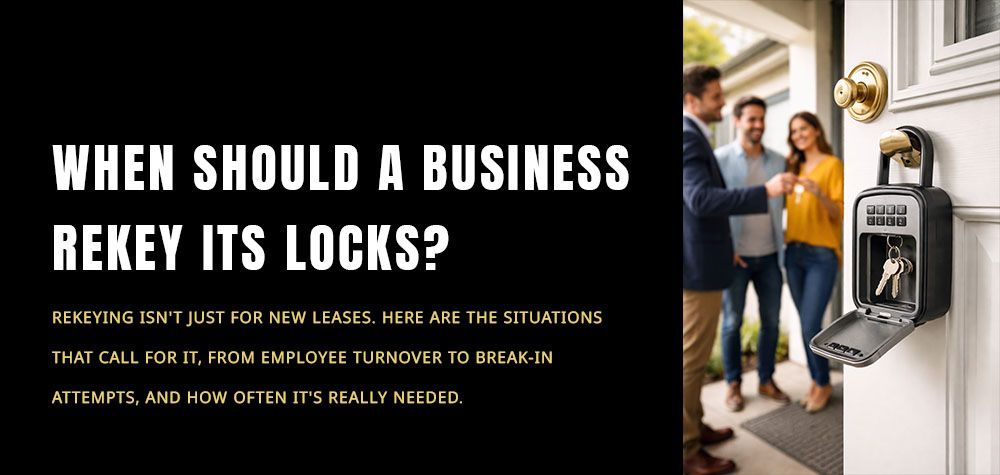
Combination lock boxes mounted near the door are more secure than a key under a rock, since they at least require knowing or cracking a code. However, they still mark the exact location of your spare key for anyone paying attention, and combination-based locks can be vulnerable to being defeated with enough time and effort.
A lock box is a step up from a hidden key, but it isn't a substitute for a properly secured entry system.
What's the Safer Way to Handle a Spare Key?
Get it away from the property entirely.
Security professionals consistently recommend giving a spare key to a trusted neighbor, friend, or family member instead of leaving one outside. This removes the key from the property altogether, so there's nothing on-site for a burglar to search for in the first place.
Why Door Reinforcement Matters More Than Lock Quality
Is a Smart Lock a Better Long-Term Solution?
For most homeowners, yes.
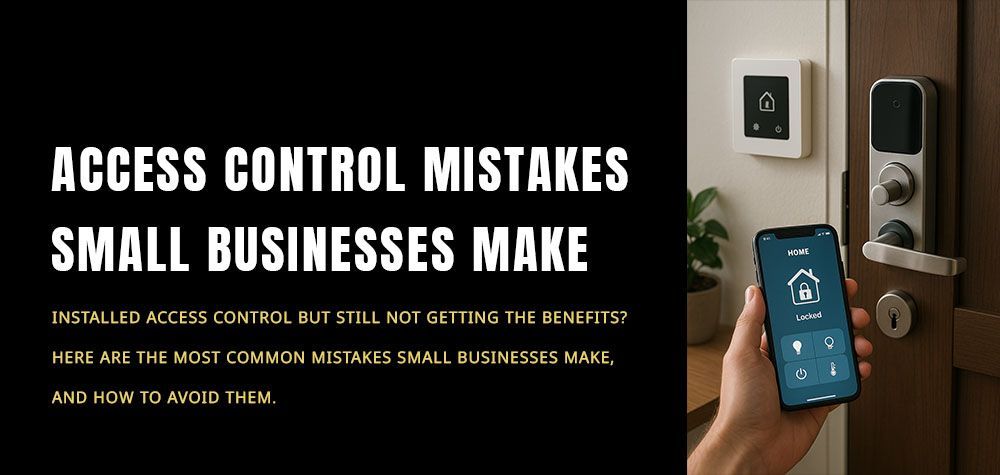
Smart locks and keypad entry systems eliminate the need for a physical spare key altogether. Instead of a key that can be found, copied, or stolen, access is controlled through a code, an app, or a fob that can be changed or revoked at any time. This also solves a related problem: a lost or stolen physical key often means rekeying the entire lock, while a compromised smart lock code can simply be updated.
How Can a Locksmith Help Close This Gap?
A locksmith can evaluate your current entry points and recommend the right replacement for a hidden spare key based on how your household actually uses the door, whether that's a keypad deadbolt, a smart lock, or a properly rekeyed lock paired with a trusted-keyholder plan.
Professional consultations help homeowners remove predictable weak points like hidden keys without adding unnecessary complexity to their daily routine.
Frequently Asked Questions
Q: Do burglars really check for hidden keys, or is this overstated?
A: It's a real and well-documented pattern. Studies of convicted burglars show that checking for a hidden spare key is part of a significant share of break-ins, particularly since it offers quiet, low-risk access compared to forcing a door or window.
Q: Is it safe to hide a key if I pick a really unusual spot?
A: It's somewhat safer than a doormat or a fake rock, but not truly safe. Any hidden key is still a physical object sitting on your property waiting to be found, and a patient or experienced burglar may still locate it.
Q: What should I do instead of hiding a spare key outside?
A: Give a spare key to a trusted neighbor or family member, or better yet, switch to a smart lock or keypad entry system that removes the need for a physical spare key entirely.
Q: Are key lock boxes near the door a good compromise?
A: They're more secure than an obvious hiding spot, but they still mark the location of your spare key and can potentially be defeated. A smart lock or off-site keyholder is generally a stronger long-term solution.
Q: Why do burglars prefer finding a key over breaking a window?
A: It's faster, quieter, and draws far less attention. Entering through a found key can also make a break-in harder to detect right away, since there may be no visible sign of forced entry.
Q: Can a locksmith help me switch from a hidden key to a smart lock?
A: Yes. A locksmith can assess your current locks and entry points and install a smart lock or keypad system suited to your home, removing the need for a hidden spare key altogether.
Final Thoughts on Visible Spare Keys and Burglary Risk
A hidden spare key feels like a small, private convenience, but it's one of the most predictable weaknesses a home can have. The classic hiding spots have been used for so long that they're now common knowledge among burglars, not secrets at all, and even creative alternatives only buy a little extra time rather than real security.
The most effective fix isn't a better hiding spot. It's removing the physical key from the equation altogether, whether through a trusted keyholder, a secure lock box, or a smart lock system that puts you in control of who has access and when.
Call Us Any Time!