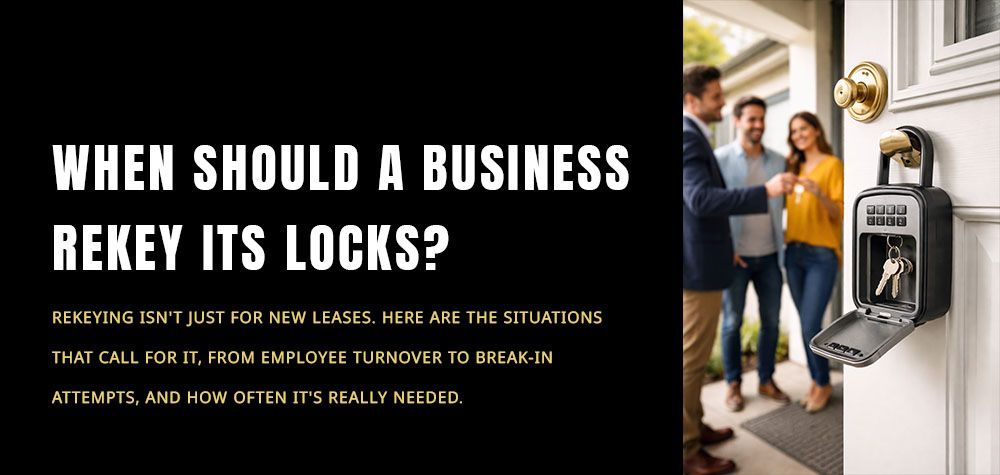
Changing Locks after Moving to a New Home
Moving to a new home is an exciting milestone, filled with anticipation and new beginnings. However, amidst the excitement of settling into your new space, it's crucial not to overlook one of the most important aspects of ensuring your safety and security: changing the locks. While it may seem like a small detail in the grand scheme of things, failing to replace the existing locks poses significant security risks that shouldn't be ignored.
Find out the The difference between rekeying and changing your lock!
Imagine this: you've just moved into your dream home, but what you may not realize is that there could be multiple copies of the keys floating around, with previous owners, real estate agents, or contractors. This means that anyone with access to these keys could potentially gain entry into your home without your knowledge or consent. The thought of strangers having access to your personal space is unsettling, to say the least.
Additionally, even if you trust the previous occupants of the property, there's always the possibility that lost or stolen keys could end up in the wrong hands. By neglecting to change the locks, you're essentially leaving your home vulnerable to potential break-ins or unauthorized access.
Why Changing Locks is Essential
Changing locks after moving into a new home is not merely a precautionary measure; it's an essential step in ensuring the safety and security of your property and loved ones. Failing to replace the existing locks poses significant security risks that can leave you vulnerable to a variety of threats.
First and foremost, one of the most compelling reasons to change locks is to mitigate the risk of unauthorized access. When you move into a new home, you have no way of knowing who may still possess copies of the keys. Previous occupants, real estate agents, contractors, or even neighbors could potentially have access to your property. This opens the door to the possibility of strangers entering your home without your consent, putting your safety and privacy at risk.
Moreover, lost or stolen keys further compound the security risks associated with unchanged locks. Even if the previous occupants were trustworthy individuals, misplaced keys could end up in the wrong hands, making it easy for unauthorized individuals to gain entry to your home. This scenario is particularly alarming as it means that someone with ill intentions could access your property without leaving any signs of forced entry, making it difficult to detect their presence until it's too late.
In essence, failing to change locks after moving into a new home leaves you vulnerable to potential break-ins, intrusions, and invasions of privacy. By taking proactive measures to replace the existing locks, you not only enhance the security of your property but also gain peace of mind knowing that you've taken necessary steps to protect yourself and your loved ones from harm.
When to Change Locks
Determining the optimal timing for changing locks after moving into a new home is crucial to maintaining the security of your property. While it may seem like a task that can be deferred, there are certain scenarios where immediate lock replacement is necessary to mitigate security risks effectively.
Ideally, changing locks should be one of the first tasks on your moving-in checklist. As soon as you take possession of the property, consider scheduling a locksmith appointment to replace all exterior door locks. This ensures that you establish control over who has access to your home from the outset, minimizing the risk of unauthorized entry.
Immediate lock replacement is particularly critical in scenarios where there's uncertainty regarding the number of copies of existing keys in circulation. For example, if the previous occupants were renters or if the property was previously listed on short-term rental platforms, there's a higher likelihood that multiple individuals may have copies of the keys. In such cases, delaying lock replacement leaves your home vulnerable to potential intrusions by individuals with access to these keys.
Additionally, if you've misplaced or lost any keys during the moving process, it's imperative to prioritize lock replacement to prevent unauthorized access. Even if you eventually recover the lost keys, there's no guarantee that they haven't fallen into the wrong hands in the interim. By promptly changing locks, you eliminate the risk posed by compromised keys and safeguard your home against potential security breaches.
Types of Locks to Consider
When it comes to securing your new home, there's a wide range of lock options available, each offering varying levels of security and convenience. Understanding the different types of locks can help you make an informed decision about which ones are best suited for your residential property.
- Traditional Key Locks: These locks are the most common and familiar type, requiring a physical key to unlock or lock the door. Traditional key locks come in various configurations, including knob locks, lever handle locks, and deadbolts. While they offer basic security, they can be vulnerable to lock-picking or unauthorized key duplication.
- Smart Locks: Smart locks are an increasingly popular choice for homeowners seeking enhanced convenience and security. These locks can be operated remotely via a smartphone app, allowing you to lock or unlock your door from anywhere with an internet connection. Smart locks often feature additional security features such as keyless entry, activity logs, and integration with home automation systems.
- Deadbolts: Deadbolts are robust locking mechanisms that provide an extra layer of security for exterior doors. Unlike spring-bolt locks, deadbolts require manual operation to engage or disengage the bolt, making them more resistant to forced entry attempts. They are available in single-cylinder, double-cylinder, and jimmy-proof configurations, offering varying levels of security.
- Padlocks: Padlocks are portable locks typically used for securing gates, sheds, or storage units. They come in various sizes and designs, including combination padlocks and keyed padlocks. While not suitable for primary entry points, padlocks can be an effective deterrent against unauthorized access to outdoor spaces.
- Smart Deadbolts: Combining the security of a deadbolt with the convenience of smart technology, smart deadbolts offer keyless entry and remote access capabilities. These locks often feature advanced security features such as tamper alerts, auto-locking, and temporary access codes, providing homeowners with greater control over access to their property.
- Keyless Entry Systems: Keyless entry systems eliminate the need for physical keys altogether, relying instead on codes, key fobs, or biometric authentication to unlock doors. These systems offer convenience and flexibility while minimizing the risk of lost or stolen keys. Keyless entry systems are available in various configurations, including keypad locks, fingerprint scanners, and proximity sensors.
Choosing the Right Locks
Selecting the right locks for your new home is crucial for ensuring optimal security and peace of mind. Here are some tips to help you choose the most appropriate locks based on your security needs and preferences:
- Assess Your Security Needs: Start by evaluating your specific security requirements. Consider factors such as the crime rate in your area, the value of your possessions, and the level of protection you desire for your home and family. This assessment will help you determine the level of security features you need in a lock.
- Consider Lock Type: Determine which type of lock best suits your needs. Traditional key locks offer simplicity and reliability, while smart locks provide advanced features such as remote access and activity tracking. Deadbolts offer superior strength and resistance to forced entry, making them ideal for exterior doors.
- Evaluate Durability: Choose locks that are durable and built to withstand wear and tear over time. Look for locks constructed from high-quality materials such as solid brass or stainless steel, which offer superior strength and resistance to corrosion. Additionally, consider locks with reinforced strike plates and heavy-duty construction for added security.
- Assess Ease of Use: Opt for locks that are easy to operate and user-friendly for all members of your household. Traditional key locks should have smooth key insertion and turning, while smart locks should offer intuitive smartphone app interfaces and keyless entry options. Test the functionality of potential locks to ensure they meet your accessibility needs.
- Check Compatibility: If you're replacing existing locks, verify that your chosen locks are compatible with your door hardware and security system, if applicable. Ensure that the lock size, shape, and installation requirements align with your door configuration to avoid compatibility issues and installation complications.
- Review Security Features: Look for locks with advanced security features designed to deter unauthorized access. Features such as anti-pick pins, bump resistance, and drill resistance enhance the security of your locks and help prevent break-ins. Additionally, consider locks with built-in alarm systems or tamper alerts for added protection.
DIY vs. Professional Lock Replacement
When it comes to changing locks after moving into a new home, you may be faced with the decision of whether to tackle the task yourself or enlist the services of a professional locksmith. Both options have their advantages and disadvantages, and it's essential to weigh them carefully to make an informed decision.
DIY Lock Replacement:
Pros:
- Cost Savings: One of the primary benefits of DIY lock replacement is cost savings. You can purchase new locks from a hardware store and install them yourself, avoiding the expense of hiring a locksmith.
- Convenience: DIY lock replacement allows you to complete the task on your schedule without waiting for a locksmith appointment. You have control over the process and can work at your own pace.
- Sense of Accomplishment: Successfully replacing locks yourself can provide a sense of satisfaction and empowerment, especially if you're adept at DIY projects.
Cons:
- Risk of Errors: DIY lock replacement requires a certain level of skill and knowledge. Incorrect installation or improper alignment of the lock components can compromise security and lead to vulnerabilities.
- Limited Expertise: Unless you have experience with locksmithing, you may lack the specialized knowledge and tools needed to ensure proper installation and alignment of the locks.
- Voided Warranties: Some lock manufacturers may void warranties if the locks are not installed by a professional locksmith. This could leave you unprotected in the event of lock malfunctions or defects.
Professional Lock Replacement:
Pros:
- Expertise and Experience: Professional locksmiths possess the knowledge, skills, and experience to perform lock replacement accurately and efficiently. They can identify any potential security risks and recommend appropriate solutions.
- Quality Assurance: Hiring a professional locksmith ensures that the locks are installed correctly and in accordance with industry standards. This reduces the risk of errors and ensures maximum security for your home.
- Warranty Protection: Many professional locksmiths offer warranties on their services, providing peace of mind knowing that any issues with the locks will be addressed promptly and effectively.
Cons:
- Cost: Professional lock replacement services typically come at a higher cost than DIY methods. However, the added expense may be justified by the assurance of quality workmanship and enhanced security.
- Scheduling Constraints: You may need to wait for an appointment with a locksmith, especially during peak times or emergencies. This could delay the process of securing your home after moving in.
Steps for Changing Locks
Replacing locks on doors and windows is a crucial step in securing your new home. Follow these step-by-step instructions to ensure a smooth and effective lock replacement process:
Gather Necessary Tools:
- Before you begin, gather the necessary tools and supplies, including:
- New locks (deadbolts, knob locks, etc.)
- Screwdriver (Phillips or flathead, depending on the screws)
- Pliers
- Tape measure
- Utility knife
- Lubricant (such as WD-40)
- Replacement strike plates (if needed)
Remove Existing Locks:
- Start by removing the existing locks from the doors and windows. Use a screwdriver to loosen and remove the screws securing the lock in place. Carefully pull the lock mechanism out of the door or window frame, taking care not to damage the surrounding hardware.
Prepare the Door or Window:
- Once the old lock is removed, inspect the door or window to ensure it is clean and free of any debris or damage. Use a utility knife to clean up any excess paint or adhesive residue around the lock area.
Install New Locks:
- Follow the manufacturer's instructions to install the new locks securely. Begin by inserting the lock cylinder into the appropriate hole in the door or window frame. Make sure the lock is aligned properly and sits flush against the surface.
Secure with Screws:
- Use the provided screws to secure the lock in place. Tighten the screws with a screwdriver until the lock is firmly attached to the door or window. Avoid over-tightening, as this could strip the screws or damage the lock mechanism.
Test the Lock:
- Once the new lock is installed, test it to ensure it functions correctly. Insert the key (for key-operated locks) or turn the knob to engage the lock. Verify that the lock operates smoothly and securely without any sticking or resistance.
Adjust as Needed:
- If the lock does not operate correctly or sits unevenly, make any necessary adjustments. This may involve repositioning the lock mechanism, adjusting the strike plate, or lubricating the moving parts to ensure smooth operation.
Repeat for Additional Locks:
- If you are replacing locks on multiple doors or windows, repeat the above steps for each lock. Take your time to ensure that each lock is installed correctly and functions as intended.
Dispose of Old Locks Securely:
- Dispose of the old locks securely to prevent them from being used by unauthorized individuals. Consider recycling or donating old locks if they are still in good condition.
Additional Security Measures
In addition to changing locks, consider implementing supplementary security measures to further enhance the safety of your new home. Security cameras, alarm systems, and motion-activated lighting are all effective deterrents against burglars and intruders. Security cameras provide valuable surveillance footage that can help identify suspicious activity and deter potential criminals. Alarm systems, equipped with sensors on doors and windows, provide an added layer of protection by alerting homeowners and authorities to unauthorized entry attempts. Motion-activated lighting illuminates dark areas around the home, making it less inviting to intruders. It's also important to cultivate overall security awareness among household members. Encourage everyone to be vigilant about locking doors and windows, keeping valuables secure, and reporting any suspicious activity to authorities promptly.
Cost Considerations
When considering the cost of changing locks, it's essential to factor in various elements that can influence the overall expense. The cost of new locks themselves can vary depending on the type, brand, and quality. Installation fees may also apply, especially if you opt to hire a professional locksmith. Additionally, the number of locks needing replacement and any additional security features you choose to install will impact the total cost. Keep in mind that while there may be upfront expenses associated with changing locks, the investment in home security is invaluable for the peace of mind it provides.
Conclusion
Changing locks after moving into a new home is a critical step in ensuring the safety and security of your household. By replacing existing locks, you eliminate the risk of unauthorized access by previous occupants or others who may have copies of the keys. In addition to changing locks, consider implementing supplementary security measures such as security cameras, alarm systems, and motion-activated lighting to further enhance home safety. While there may be costs associated with these security upgrades, the investment is well worth the peace of mind it provides. Remember, proactive steps to protect your home and loved ones are essential for maintaining a secure living environment.
Call Us Any Time!