How Often Should Rental Property Locks Be Replaced?
Managing a rental property involves more than collecting rent and handling maintenance requests. One of the most important—and often overlooked—responsibilities of a landlord is maintaining secure and reliable locks.
Locks are the first line of defense for tenants and one of the most critical liability points for property owners. Yet many landlords wait until a lock fails completely before replacing it. By that point, security may already be compromised.
So how often should rental property locks actually be replaced? The answer depends on tenant turnover, lock quality, wear and tear, and local regulations. Understanding these factors helps you protect both your investment and your tenants.
Are Combination Locks Safe for Home Use?
Why Lock Replacement Is Critical in Rental Properties
Unlike owner-occupied homes, rental properties experience frequent access changes. Each tenant, roommate, contractor, cleaner, and maintenance worker may have had access to keys at some point.
Even when keys are returned at move-out, there is no guarantee duplicates were not made. Over time, the number of people who could access the property grows—and so does your risk exposure.
Replacing or rekeying locks ensures that only current, authorized tenants have access. It also demonstrates professionalism and commitment to tenant safety.
Locks Should Be Changed Between Every Tenant
The safest and most widely recommended practice is to rekey or replace locks every time a tenant moves out.
Even if the outgoing tenant appears trustworthy and returns all keys, you cannot verify whether copies exist. Former partners, roommates, guests, or contractors may still possess working keys.
Changing locks between tenants accomplishes three things:
It restores exclusive access to the new tenant.
It reduces landlord liability.
It prevents unauthorized re-entry by previous occupants.
In many regions, failing to update locks between tenants can create legal exposure if a security incident occurs.
Rekeying vs Replacing: Understanding the Difference
Not every situation requires full lock replacement. In many cases, rekeying is sufficient.
Rekeying involves adjusting the internal pins of a lock so that old keys no longer work. The exterior hardware remains the same, but new keys are issued.
Replacement, on the other hand, involves installing entirely new hardware. This is necessary when locks are worn, outdated, damaged, or low-quality.
Rekeying is typically appropriate when:
- The lock is in good physical condition
- Only key control has been compromised
- You want a cost-effective solution between tenants
Replacement is better when:
- The hardware shows signs of wear
- The lock sticks, loosens, or misaligns
- The security grade is outdated
A professional inspection can determine which option provides the safest long-term outcome.
How Wear and Tear Impacts Rental Property Locks
Rental property locks endure significantly more stress than locks in owner-occupied homes. Tenants may use excessive force, neglect lubrication, or ignore early warning signs of malfunction.
Over time, internal springs weaken, cylinders loosen, and latch mechanisms misalign. Even if the lock appears functional, its resistance to forced entry may be reduced.
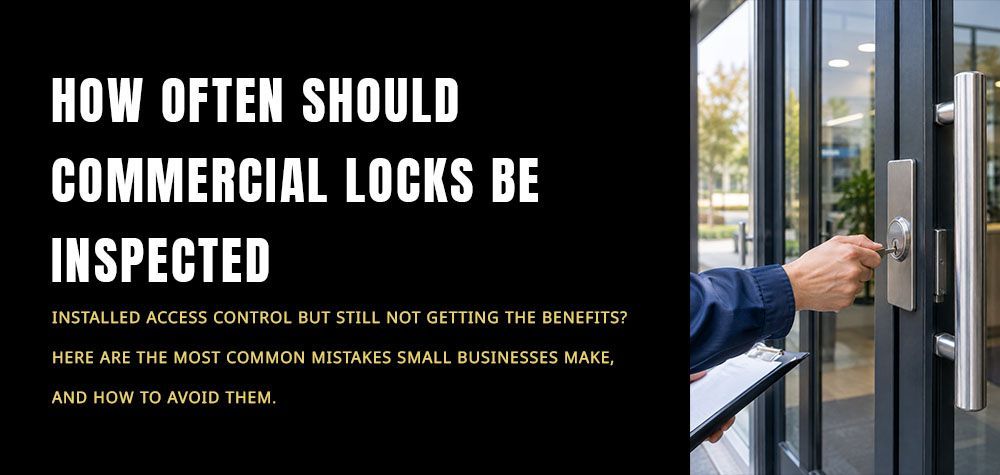
High-traffic entry points—such as front doors and garage entry doors—should be evaluated every few years, especially in multi-tenant or high-turnover properties.
Long-Term Tenants Still Require Lock Evaluation
Even if a tenant stays for several years, locks should not be ignored.
Extended use can cause gradual mechanical fatigue. If a lock becomes loose, sagging, or difficult to operate, it may indicate deeper structural issues that affect security.
Landlords should conduct periodic inspections to ensure:
- The deadbolt extends fully
- The latch aligns correctly with the strike plate
- The handle returns properly after use
Addressing minor issues early prevents emergency replacements later.
Why Locks Fail Right After You Move Into a New Home
Short-Term Rentals and Vacation Properties Require More Frequent Updates
Properties used for short-term rentals face much higher access turnover. Guests frequently lose keys, duplicate keys, or accidentally damage hardware.
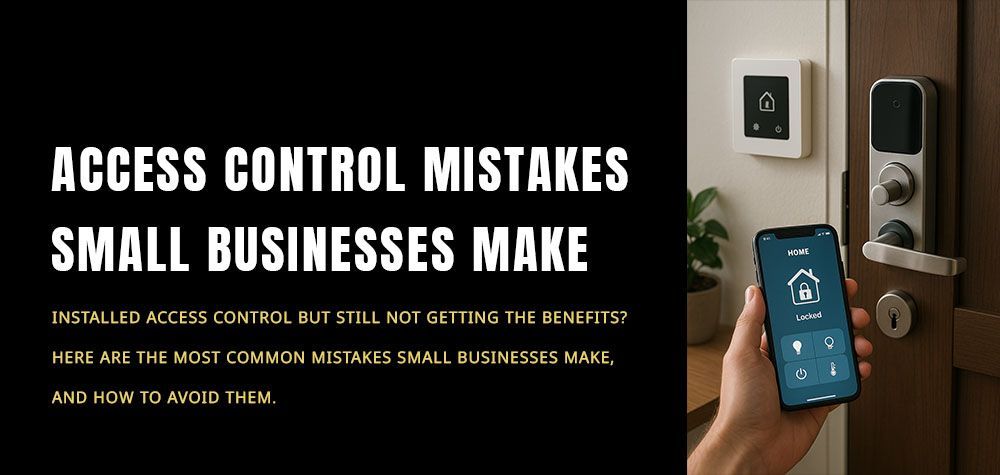
In these settings, locks should be updated or access codes changed regularly. Many property owners choose smart locks or keypad systems to simplify turnover and eliminate the risks associated with physical keys.
However, even digital locks require periodic inspection to ensure mechanical components remain secure.
Legal and Liability Considerations for Landlords
Landlords have a legal duty to provide secure living conditions. If a break-in occurs and it’s discovered that locks were outdated, damaged, or not changed between tenants, liability may fall on the property owner.
Insurance companies may also investigate lock condition during claims. Compromised or neglected hardware can complicate coverage.
Maintaining updated locks is not just about security—it is about legal protection.
Signs That Rental Property Locks Should Be Replaced Immediately
Certain warning signs should never be ignored:
- If a lock feels loose or wobbly, it may no longer be properly anchored.
If a key sticks or requires force, internal components may be worn.
If the deadbolt does not fully extend, the door may not be securely locked.
These symptoms indicate that replacement may be safer than continued repair.
Upgrading to High-Security or Smart Locks in Rental Properties
Many landlords are moving toward higher-security lock systems to reduce risk and simplify management.
High-security locks resist picking, drilling, and bumping. Smart locks allow landlords to update codes remotely without replacing hardware between tenants.
While upgrades involve an upfront investment, they often reduce long-term maintenance costs and improve tenant confidence.
Recommended Timeline for Rental Lock Replacement
There is no universal timeline, but general guidelines include:
- Locks should be rekeyed or replaced at every tenant turnover.
Locks should be inspected annually in long-term rentals.
Locks should be replaced when physical wear or outdated security features appear.
Proactive replacement is far less expensive than dealing with theft, disputes, or emergency lockouts.
Why Professional Assessment Matters
DIY lock changes may seem simple, but improper installation can weaken security. Misaligned strike plates, shallow screw placement, and low-grade hardware reduce protection significantly.
A professional locksmith evaluates the entire entry point, including door alignment and frame integrity, not just the lock itself.
At Brothers Locksmith, rental property assessments focus on durability, compliance, and cost-effective long-term protection.
Final Answer: How Often Should Rental Property Locks Be Replaced?
Rental property locks should be rekeyed or replaced between every tenant and inspected regularly throughout occupancy. Replacement becomes necessary when locks show signs of wear, outdated security standards, or mechanical failure.
Regular evaluation and proactive maintenance protect tenants, reduce liability, and safeguard your investment.
Protect Your Rental Property With Brothers Locksmith
Whether you manage a single rental home or multiple properties, Brothers Locksmith provides professional rekeying, lock replacement, and security upgrades tailored to rental environments.
Because protecting your tenants isn’t just good practice—it’s smart property management.
Call Us Any Time!