

Locked Out? When to Call for Help and When to Do it Yourself (And How)
May 24, 2022
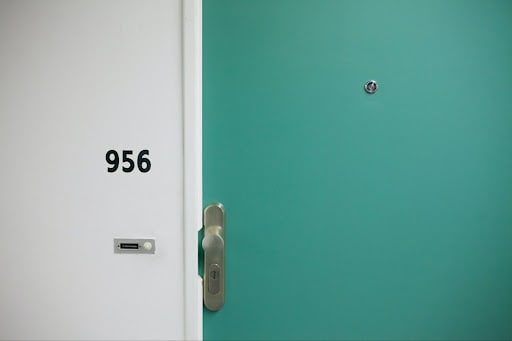
We’ve all experienced that dreaded moment of being locked outside of our own home. In many cases, it can be tempting to try and break in. Not only can this damage your door, but it can look suspicious to people passing by if they do not know you. If you must break into your own home, we have a few tips on how to do so.
What to do Before Trying to Open the Door Yourself
Attempting to break into your house can leave you with a damaged lock, doorknob, or door frame. If you’re considering hacking your way into your home, walk through these steps first.
- Get A Spare Key From a Family Member, Friend, or Neighbor
Maybe you lent your key to a neighbor so they could watch your house when you went on vacation. Or maybe you gave a spare key to a friend or family member for this exact reason. Either way, if you’ve given anyone a spare key to your house, see if they can let you in.
- Call Another House Member
If your house member isn’t home and they aren’t locked outside with you, they more than likely have a key in their possession. Though having a house member come to your rescue is ideal, you may not always have the luxury.
- Call Your Landlord or Apartment Concierge
If you rent a house or an apartment, it should be fairly easy to get back in. Either your landlord or the office of your apartment complex will have a key to your place. However, if it’s after hours you may be out of luck.
- Check for an Open Window or Back Door
Though it’s never a good idea to leave any door or window open, it’s worth a shot to check in this case. Do note, however, that if an upstairs window is unlocked, it is not worth it to attempt climbing up your roof to get in. It’s always better to play it safe, even if that means waiting for a locksmith to come to your location.
When Should You Do it Yourself? And How.
If you do attempt to unlock your door yourself, be sure you have an adequate reason to do so. If you’re truly in a time pinch and can’t wait for a technician to reach you, we have some tips on how you can unlock your front door. However, these methods only work if you have certain tools available – even if those tools are things like a credit card and bobby pins.
- Use a Credit Card
Credit cards aren’t just for emergency purchases – they can be used to
in an emergency. Simply place your card between your door and the door frame. Then, press the card away from the doorknob and towards the frame of the door to undo the latch. Keep in mind, this could damage your card so it’s best to use a plastic card you no longer need.
This method will only work on a spring bolt. If you have a deadbolt lock, you’ll need to try a different method.
- Remove the Doorknob
If you have a Phillips screwdriver, you can try removing it altogether. Unlike other methods, removing the doorknob is non-damaging so it can be a great place to start. However, this method will not work if your doorknob is tamper-proof.
- Pick the Lock
Picking a lock sounds simple but it can be the most challenging option to unlock your door. You can use this
to pick the lock with hairpins but it won’t work as efficiently as professional locksmithing tools would.
When to Call a Locksmith
At the end of the day, your best option to unlock your door is to call a professional locksmith. A trained technician will be able to get you back into your home without damaging your locks. Plus, a professional locksmith can make a copy of your house key so you don’t end up in this situation again.
If you wind up locked out of your residential home, a Brothers Locksmith expert will be happy to assist you. Your safety is our number one priority, and we aim to get you back on track quickly, safely, and at an affordable price. For all of your
needs, your local Brothers Locksmith is here to help!
Call Us Any Time!
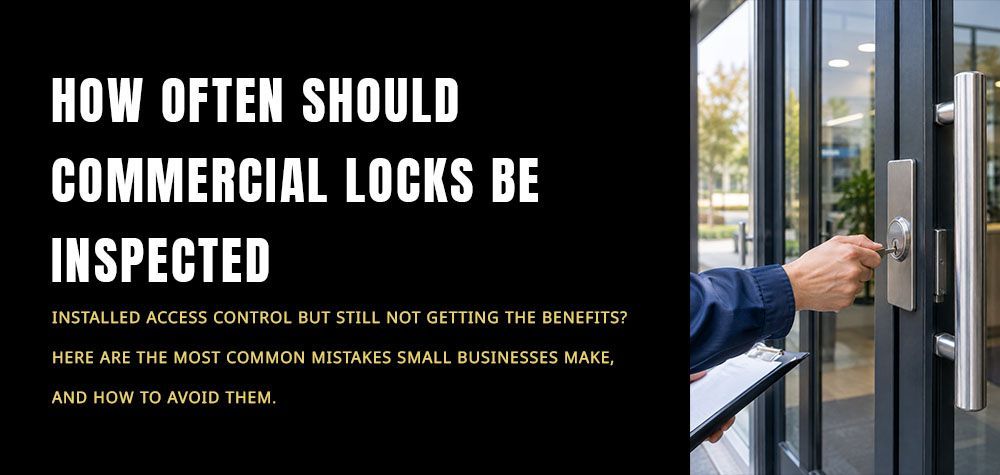
Waiting for a lock to fail costs more than checking it early. Here's how often to inspect commercial locks, and what events should trigger a check sooner.
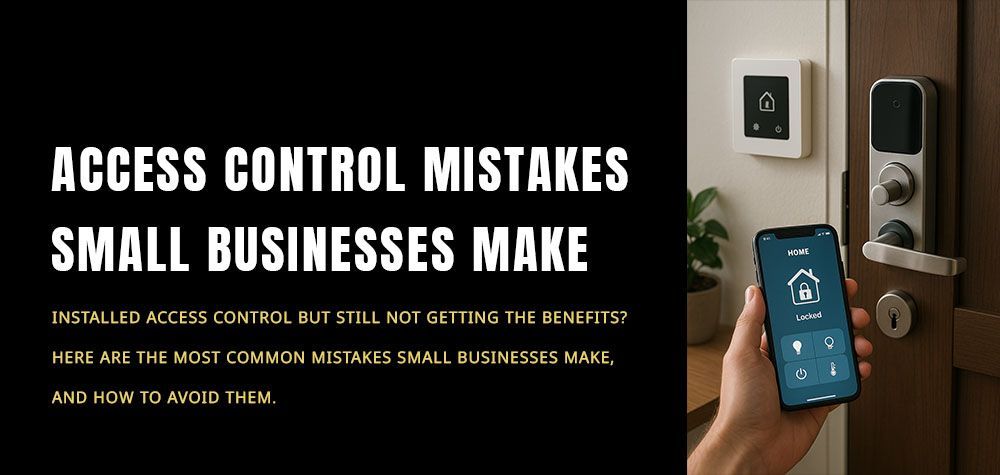
Installed access control but still not getting the benefits? Here are the most common mistakes small businesses make, and how to avoid them.
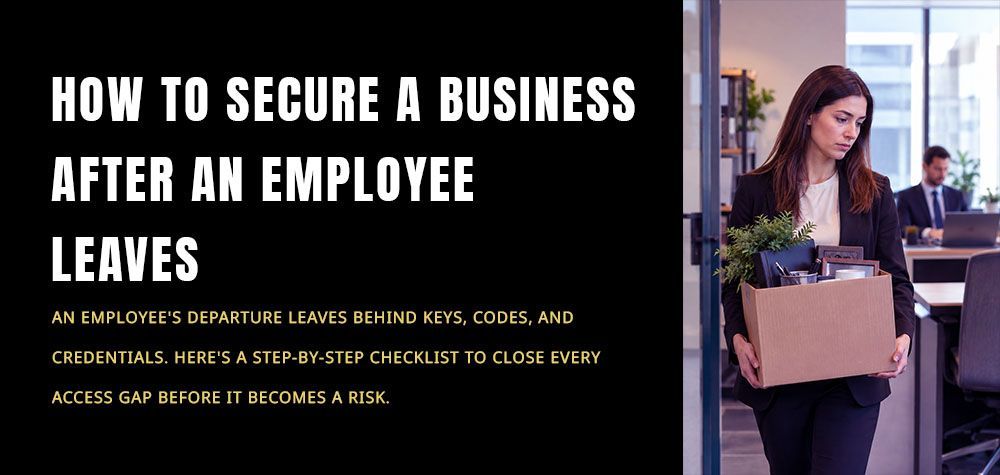
An employee's departure leaves behind keys, codes, and credentials. Here's a step-by-step checklist to close every access gap before it becomes a risk.
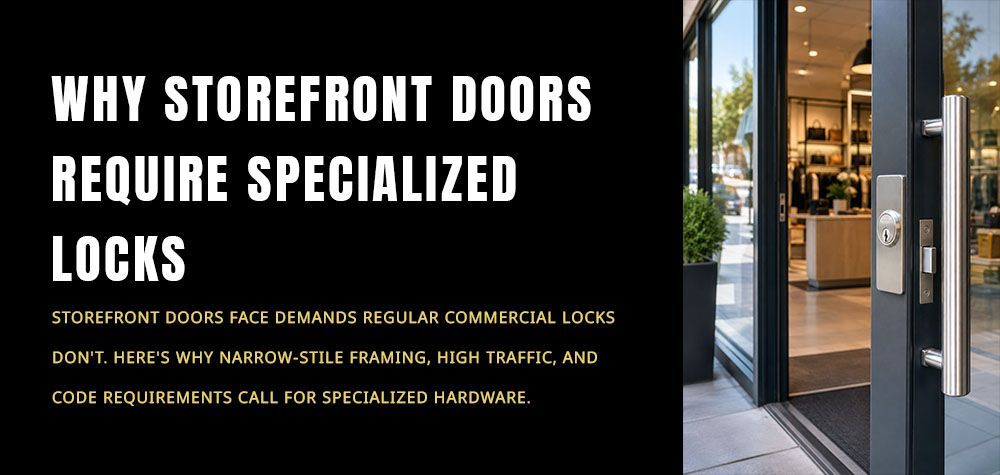
Storefront doors face demands regular commercial locks don't. Here's why narrow-stile framing, high traffic, and code requirements call for specialized hardware.
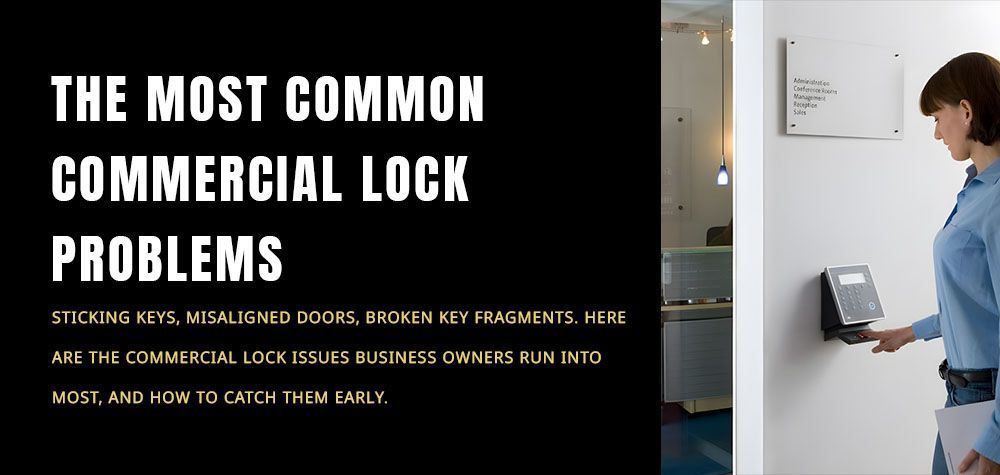
Sticking keys, misaligned doors, broken key fragments. Here are the commercial lock issues business owners run into most, and how to catch them early.
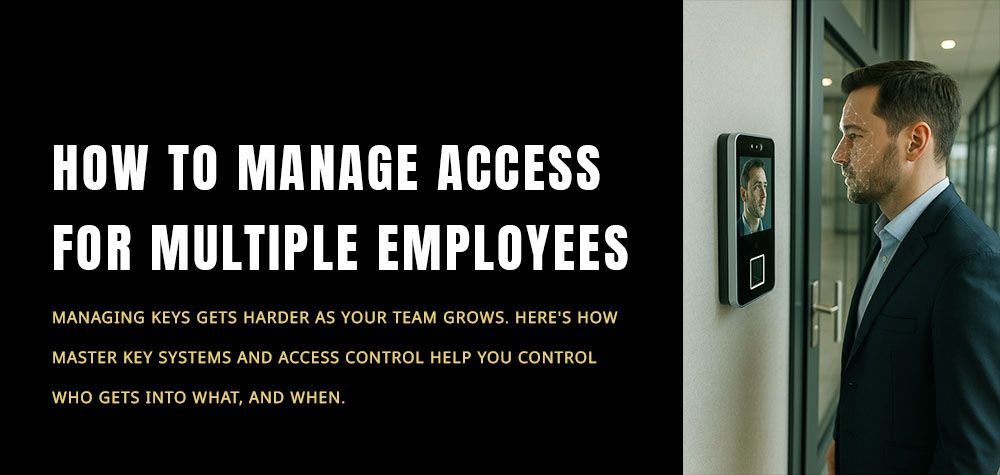
Managing keys gets harder as your team grows. Here's how master key systems and access control help you control who gets into what, and when.
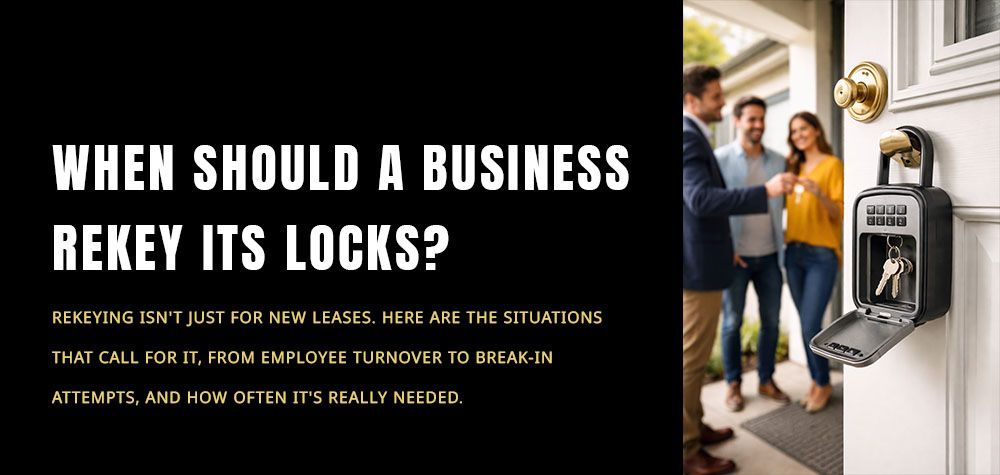
Rekeying isn't just for new leases. Here are the situations that call for it, from employee turnover to break-in attempts, and how often it's really needed.
Former employees can leave hidden security gaps behind. Learn how turnover creates risk and how to protect your business with smart access management.